

Boondocking is often linked with remote desert landscapes and backcountry trails, but one of the most practical overnight solutions for your RV journey is parking in or near a city. Urban boondocking puts you steps away from errands, restaurants, attractions, and everything else you need before hitting the road again. Whether you need groceries, fuel, a shower, or just a place to rest before your next leg, city parking offers convenience and cost savings that traditional campgrounds cannot always match.
1. Plan Your Overnight Spot in Advance
The difference between a stressful evening and a smooth night often comes down to preparation. Before you arrive in any city, identify at least two viable overnight parking locations using maps and trip-planning tools. This backup strategy means you are not scrambling after hours of driving when fatigue and limited visibility make decision-making difficult. Research nearby options, check their policies, and verify that each location can physically accommodate your RV’s size and parking requirements.
2. Choose Parking That Offers Easy Egress
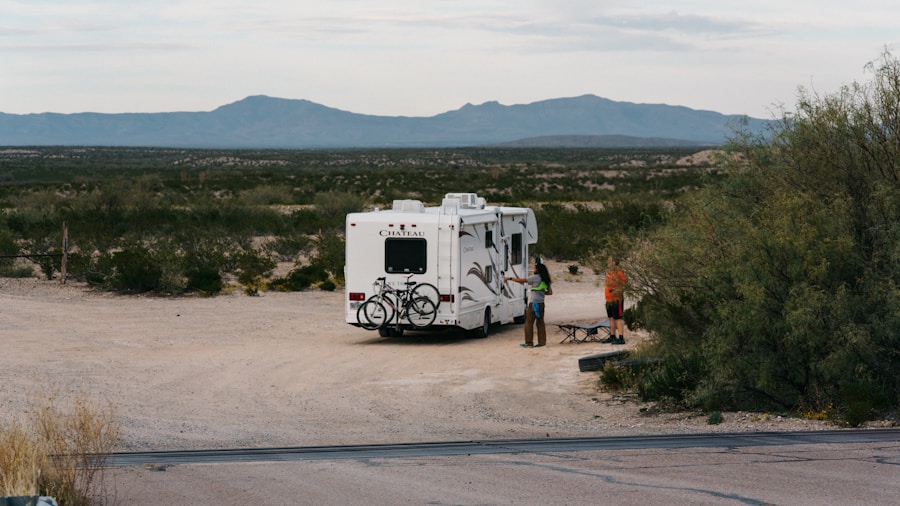
Successful city boondocking begins with selecting a spot where you can depart without stress. Look for well-lit parking areas with ample space to maneuver and pull out in the morning without tight turns or lane obstruction. Avoid locations near busy entrances, loading docks, delivery areas, or active truck lanes that could generate noise or require you to relocate mid-night. Always identify a secondary location before settling in, and trust your instincts if something feels uncomfortable after arrival.
3. Maintain a Low-Profile Appearance
Overnight parking works smoothly when your setup looks temporary, not permanent. Keep awnings, chairs, grills, and other exterior items stowed away. Avoid extending slideouts when possible, minimize exterior lighting, and stay quiet to avoid drawing attention. Generator use should only occur where explicitly permitted, and operators must follow all manufacturer clearance guidelines, keeping units well away from doors, windows, vents, and neighboring RVs. The goal is blending in with the parking lot environment rather than advertising a mobile campsite.
4. Manage Power and Climate in Parking Lots
Asphalt and concrete surfaces retain heat far longer than open ground, especially during summer months. Keep air circulating through your RV by opening roof vents or windows when safe, and run a roof fan to maintain airflow throughout the night. If you lack hookups, monitor battery consumption closely. A daytime solar setup helps recharge batteries, but disciplined energy management overnight is essential. Limit interior lighting, avoid unnecessary appliance use, and consider the efficiency of your heating or cooling choices.
5. Take Advantage of Urban Services and Amenities
One major advantage of city boondocking is proximity to services and conveniences. Use your parking time to locate nearby dump stations, fill fresh water tanks, or empty waste tanks. Stop by grocery stores, laundromats, or supply shops to handle errands that would otherwise interrupt your travel schedule. If you maintain a gym membership, shower facilities provide a way to conserve fresh water while freeing up tank space. Shopping centers offer parking and the chance to restock supplies before continuing your journey. This strategic use of city infrastructure transforms a simple overnight into a productive stop. For those managing RV maintenance and service needs, larger urban centers often have better access to repair facilities and parts suppliers.
6. Know Where to Look for Urban Overnight Spots
Certain locations commonly permit short-term RV parking. Walmart and Cracker Barrel establishments frequently allow overnight parking, though policies vary by individual location. Some casinos designate RV parking areas with specific rules and duration limits. Municipal parks sometimes offer RV-friendly sites at low or no cost. Rest areas provide convenient stopping points along highways, though state regulations on stay duration vary widely. Always verify current policies with posted signage or location management before committing to an overnight stay, as rules change frequently and differ between locations even within the same chain.
7. Recognize When a Campground Makes Better Sense
While city boondocking saves money and offers convenience, campgrounds sometimes provide greater value. If you need air conditioning, full hookups for power and water, or a reset period to recharge, a paid campground may be the smarter investment. Campground stays offer security, amenities, and adequate space for larger rigs that struggle maneuvering in parking lots. There is no medal for forcing every stop into a parking lot; strategic use of traditional campgrounds creates better overall travel experiences. When evaluating parts availability and service logistics, established campgrounds in larger cities often provide better access to supplies and support services.
City boondocking represents one more tool in your RV travel toolkit, not a replacement for traditional camping. With thoughtful planning, safety awareness, and realistic expectations, urban overnight stops can transform logistics challenges into seamless transitions between destinations. Whether you are passing through for one night or using the stop as a base for exploring nearby attractions, approaching city boondocking with preparation and respect ensures everyone involved has a quiet, uneventful experience.






Write Your Review
No reviews yet. Be the first to share your experience!