

The recreational vehicle market is shifting. Buyers are becoming more cautious. Interest rates continue to weigh on purchase decisions. Fuel prices factor into the conversation. Some shoppers are postponing buying altogether, trading down to less expensive models, or taking more time to finalize a purchase. This tighter landscape has created real challenges for RV dealerships nationwide.
When market conditions become challenging, dealership leadership typically zeroes in on one priority: generating sales. That focus makes intuitive sense. However, industry analysts point out that softer demand reveals an often-overlooked problem that many dealers have quietly been living with: poorly executed service and parts operations.
Why Weak Operations Become Visible in Tough Times
During strong market years, operational inefficiencies can hide behind sheer volume. High customer demand masks waste. Strong traffic covers inefficiency. More unit sales make internal problems easier to tolerate and ignore.
But when demand softens, every weakness becomes unmistakable. Unbilled labor hours. Technicians standing idle at parts counters. Repair orders stalled waiting for approvals. Service advisers overwhelmed managing customer communication. Warranty dollars aging out without recovery. Dispatch decisions made by personality rather than process. Written procedures that exist on paper but nobody actually follows consistently.
The core issue is that activity and productivity are not the same thing. A dealership can look extremely busy, with phones ringing, advisers scrambling, technicians moving constantly, parts running everywhere, and managers handling constant problems. Yet underneath all that motion, labor sales may be underperforming, cycle times may be stalled, technician productivity may be disappointing, warranty recovery may be inconsistent, and customer satisfaction may be slipping.
A technician waiting on approvals, waiting on parts, waiting on incomplete repair orders, waiting on dispatch decisions, or constantly interrupted by preventable problems appears productive. In reality, billable labor hours are quietly leaking away.
Where Dealership Profitability Is Won or Lost
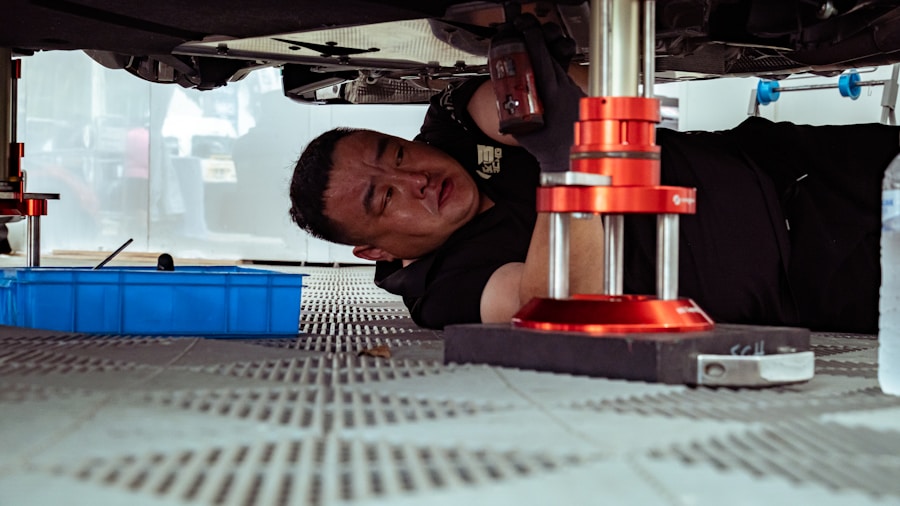
During uncertain economic times, RV dealers cannot control interest rates. They cannot control fuel prices. They cannot control economic news or consumer confidence levels. Execution is where they can make a real difference.
The dealerships that outperform during challenging market conditions typically share common characteristics. They know exactly where technician time is being spent. They measure productivity every single day. They dispatch work intentionally rather than reactively. They stage work before technicians arrive. They control workflow instead of being controlled by it. They manage warranty as an active daily process, not a problem that gets attention only when aging inventory becomes painful. They create accountability systems that hold up even during difficult periods.
Most importantly, they eliminate friction before friction becomes lost labor hours.
Dealership profitability does not vanish overnight. It leaks gradually and quietly. One delayed repair order. One missing part. One stalled approval. One technician interruption. One unrecovered warranty claim. Repeated hundreds of times over a year, these small losses compound into significant profit erosion.
Service and Parts as Profit Levers
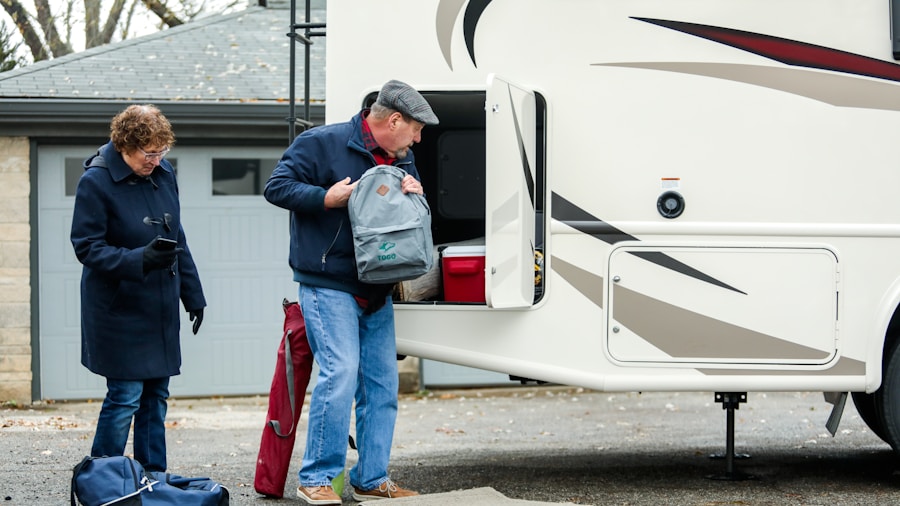
The strongest RV dealerships understand that fixed operations is not simply one department among many. When unit sales fluctuate, service revenue, parts revenue, warranty recovery, technician productivity, customer retention, and labor performance become some of the most controllable profit drivers in the entire business. That said, these benefits only materialize when operations are disciplined.
Consider how top-performing dealerships operate: Technicians are dispatched intentionally based on work staging and skill requirements, not emotional reactions. Service advisers communicate proactively before customers need to call asking for updates. RV parts supplier consolidation has created new pressures that make coordination between service and parts departments essential rather than optional. Warranty claims are managed daily as an active profit center. Parts and service function as one integrated system rather than competing departments with conflicting goals. Leadership routines happen consistently, not just when problems surface. Standard operating procedures are actually followed, measured, and enforced rather than filed away and forgotten.
The goal is not perfection. The goal is repeatability. Repeatable operations outperform reactive operations every single time. In markets like this, repeatability becomes a genuine competitive advantage.
What This Means for RV Shoppers
For buyers, these operational challenges at dealerships translate directly into service quality and repair timelines. When a dealership struggles with workflow, approvals, parts coordination, and technician scheduling, your RV service appointment takes longer, your repairs may be delayed, and you may experience frustration with communication.
Conversely, dealerships that have invested in operational discipline tend to deliver faster service, more reliable repair completion, better follow-up communication, and higher customer satisfaction. As you evaluate where to purchase and service your RV, dealer awards and recognition for leadership often signal those that have invested in better operations.
Looking ahead, the dealerships that will outperform over the next several years will not necessarily be the busiest or the largest. They will be the most disciplined. Because tougher markets do not destroy quality dealerships. They simply make weak execution impossible to hide.






Write Your Review
No reviews yet. Be the first to share your experience!