

A Real-World Durability Test Changes What We Know About EV Longevity
A 2021 Tesla Model 3 Long Range has just crossed a significant milestone: 250,000 miles on the odometer. What makes this achievement remarkable is not just the distance traveled, but the minimal maintenance required to keep the vehicle running like new. The car spent most of its operational life as a taxi, enduring daily heavy use that would typically stress any vehicle to its limits. Yet after five years of intense driving, the results are eye-opening for anyone considering the long-term cost of electric vehicle ownership.
Original Battery and Motors Still Going Strong
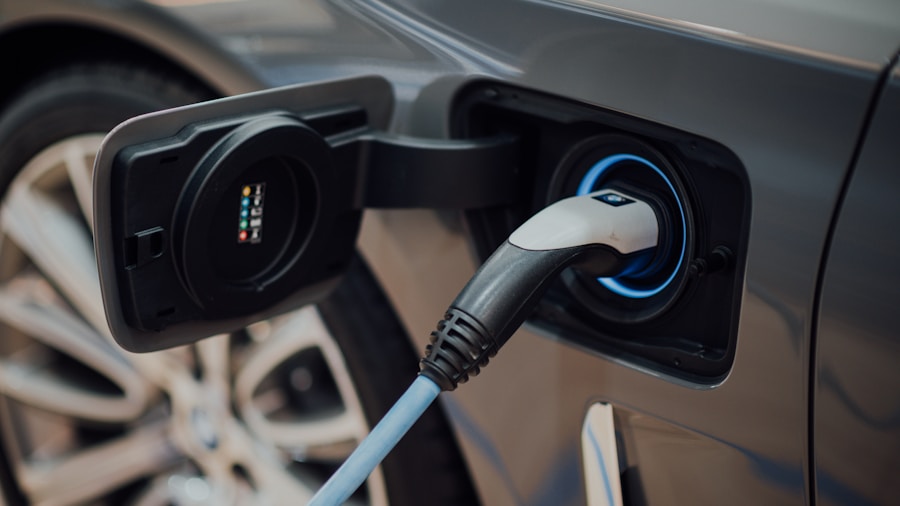
Perhaps the most impressive finding is that this high-mileage Model 3 remains on its original battery pack and electric motors. The battery still retains 84% of its original capacity, which translates to roughly 284 miles of real-world range on a full charge during favorable conditions. This performance level means the vehicle can still handle the daily driving needs of most Americans without requiring a battery replacement or major powertrain service.
The original brake rotors, brake pads, brake fluid, and coolant are all still functioning as originally installed. The only proactive upgrade made was a set of replacement rear shock absorbers, and this was done purely for enhanced comfort rather than necessity. This illustrates a fundamental advantage of electric vehicles: they simply have far fewer moving parts than gasoline-powered cars, which means fewer components can fail or require replacement.
Minimal Maintenance, Minimal Costs
Over 250,000 miles, only one component experienced a premature failure: the front bumper exterior speaker. Beyond that single replacement and routine maintenance items, expenses have been remarkably low. At an average of 150 miles driven daily, the vehicle consumed six sets of tires, multiple wiper blade sets, and various bushings, along with regular fluid checks. These are consumables you would expect to replace on any vehicle, regardless of powertrain type.
The efficiency numbers tell another compelling story. During ownership, this Model 3 has achieved an average of 4.15 miles per kilowatt-hour, which represents excellent energy efficiency. Combined with the option to charge using solar power or during off-peak electricity hours, the operational costs remain substantially lower than comparable gasoline vehicles. Recent Tesla innovations in home energy integration show that owners have even more ways to optimize charging costs going forward.
Performance Remains Uncompromised
In real-world driving, this high-mileage Model 3 feels indistinguishable from a new example. There are no squeaks, rattles, or other signs of wear that typically emerge as vehicles age. The acceleration from 0 to 60 mph still occurs in 3.8 seconds, matching the original performance specifications. After an 11-minute Supercharger session, the state of charge increases by 30%, adding approximately 85 miles of range. This demonstrates that fast-charging capability remains undiminished despite years of intensive use.
These findings support what industry research has been showing: modern EV battery packs built after 2022 experience failure rates of just 0.3%. This reliability, combined with simpler mechanical systems compared to internal combustion engines, means that electric vehicles can achieve extraordinarily long service lives with minimal intervention.
What This Means for Shoppers Considering Used EVs

For consumers evaluating whether to purchase a used electric vehicle, this real-world case study provides substantial reassurance. The total cost of ownership over 250,000 miles has been remarkably low, consisting primarily of tire replacements and standard maintenance. This contrasts sharply with used gasoline vehicles of equivalent mileage, which typically require significant repair investments by this point.
The Model 3 example is not an isolated case. Numerous owners are successfully operating electric vehicles for hundreds of thousands of miles with minimal problems. As Tesla continues expanding its technology offerings, reliability data becomes increasingly important for purchase decisions.
The Bottom Line for EV Buyers
If you are considering switching to an electric vehicle, the durability and longevity demonstrated by this 250,000-mile Model 3 should factor heavily into your decision. The combination of minimal part failures, retained battery capacity, and preserved performance characteristics shows that EVs can deliver exceptional long-term value. Whether you purchase new or used, the potential for hundreds of thousands of miles of reliable service with low maintenance costs positions electric vehicles as increasingly attractive options compared to traditional automobiles.











Write Your Review
No reviews yet. Be the first to share your experience!