

Over 200,000 Jeeps Face Tire Pressure Monitoring System Defect
Chrysler has announced a recall affecting more than 201,000 Jeep SUVs due to a software defect in their tire pressure monitoring systems. The issue centers on a malfunction in the TPMS control module that can prevent the tire pressure warning light from illuminating when a tire drops to dangerously low levels. This represents a serious safety concern, as drivers rely on this warning system to alert them to maintenance needs while operating their vehicles.
The recall covers multiple popular Jeep models, including the Grand Cherokee, Grand Cherokee L, Wagoneer, Grand Wagoneer, and Cherokee across recent model years. Chrysler has determined that no single trim level is more vulnerable than others, meaning owners of any variant within the affected production window should take notice.
Why This Matters for Your Safety and Tire Maintenance
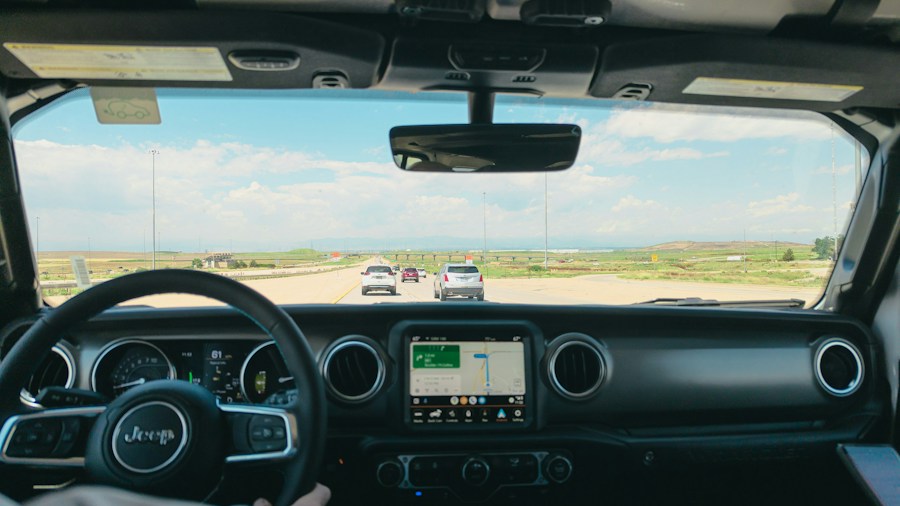
A functioning tire pressure warning system is more than a convenience feature. Federal regulations mandate that every new vehicle sold in the United States must have a working TPMS because properly inflated tires directly affect fuel economy, handling, and safety. When a tire loses pressure gradually, drivers often cannot feel the difference behind the wheel until a problem becomes severe. Low tire pressure increases rolling resistance, generates excess heat, and can lead to blowouts on highways.
The software bug identified in this recall creates a particularly dangerous scenario: the warning light simply will not activate when a tire is genuinely low. This means a driver operating one of these affected Jeeps could be driving on underinflated tires without any visual alert on the dashboard. Beyond the immediate safety risk, this silent failure could result in premature tire wear, reduced fuel efficiency, and potential roadside emergencies.
The silver lining is that this problem appears to be purely a software issue. Unlike mechanical defects that might require new sensors or hardware replacement, a tire and auto system issue rooted in programming can typically be resolved quickly and at no cost to owners.
The Free Fix: Timeline and What to Expect
Chrysler will distribute owner notification letters beginning September 29. Once you receive your letter or identify that your vehicle is affected, you can schedule an appointment at any authorized Jeep dealer. The fix involves reflashing the TPMS control module with corrected software, a process that usually takes less than one hour and requires no new parts or sensor installations.
Owners will pay nothing for this service. The automaker is covering the complete cost of the software update and dealer labor. This is standard practice for safety recalls, but it underscores the importance of addressing the issue promptly rather than delaying a visit to the dealership.
If you own an affected Jeep, you don’t have to wait for the mail to arrive. You can proactively check the National Highway Traffic Safety Administration recall database by entering your vehicle identification number. This step allows you to confirm whether your specific SUV falls within the recall window and can help you schedule your dealer appointment sooner.
A Growing Trend: Software Recalls in Modern Vehicles
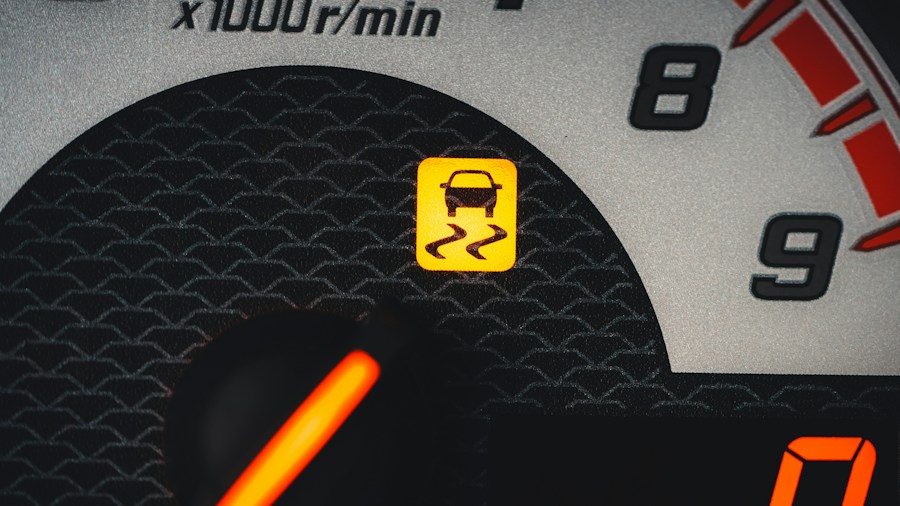
This recall is part of a broader pattern in the automotive industry. As SUVs and other vehicles incorporate more electronic systems and computer-controlled safety features, software-related recalls have become increasingly common. Earlier this year, Stellantis handled a separate major recall affecting 850,000 vehicles, demonstrating the scale these campaigns can reach across the Jeep and Chrysler product lines.
The good news is that software fixes are typically swift and non-invasive compared to recalls involving mechanical components. However, they serve as a reminder that tire system recalls and updates are an ongoing part of vehicle ownership in the modern era. Staying informed about safety notifications and acting on them promptly protects both your investment and your safety on the road.
Taking Action Now
If you drive a Grand Cherokee, Grand Cherokee L, Wagoneer, Grand Wagoneer, or Cherokee from the affected model years, take these steps: First, verify your vehicle’s eligibility by searching the NHTSA database with your VIN. Second, schedule a dealer appointment at your earliest convenience rather than waiting for notification mail. Third, understand that this free fix takes minimal time and restores your tire pressure monitoring system to full functionality.
Modern vehicles like high-performance tire systems rely on electronics to communicate with your vehicle’s safety systems. One hour at the dealer now prevents weeks or months of driving with a compromised safety net that you would have assumed was always protecting you.











Write Your Review
No reviews yet. Be the first to share your experience!