

A major international survey reveals a troubling gap in routine vehicle maintenance, and the consequences could affect your driving safety and wallet. Research conducted across seven countries found that independent automotive repair shops are dramatically underperforming on automatic transmission oil service, leaving millions of vehicle owners vulnerable to costly damage and preventable transmission failure.
The Lifetime Fill Myth Blocks Essential Maintenance
The primary culprit behind this service gap is a widespread misconception: the belief that modern automatic transmissions are filled for life and never need servicing. According to the study, nearly 9 out of 10 workshops have encountered customers who refuse transmission fluid service based on this false assumption. In Germany, nearly half of all repair facilities report frequent resistance from customers citing this myth.
The problem extends far beyond Germany. In Spain and the United States especially, the lifetime fill misconception remains deeply entrenched in consumer thinking. This misunderstanding causes vehicle owners to skip a critical maintenance task that protects one of their car’s most expensive and complex systems.
Why Transmission Fluid Breaks Down
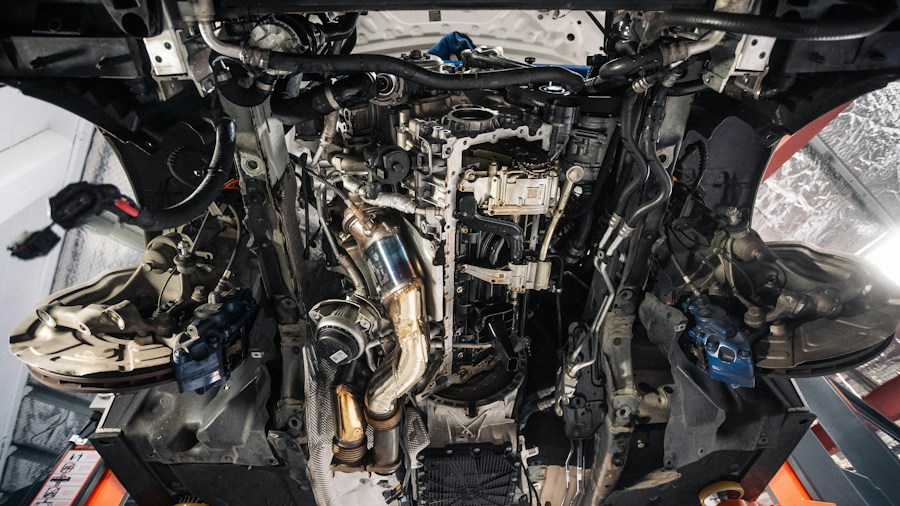
Transmission fluid isn’t simply a static lubricant that lasts forever. Over time and through repeated use, the oil loses its lubricating properties and becomes contaminated with wear debris, heat damage, and oxidation. When this happens, several dangerous consequences follow: increased internal wear, shifting problems, sluggish performance, and eventually complete transmission failure. A full transmission replacement can easily cost thousands of dollars, making preventive fluid maintenance a bargain by comparison.
The survey data paints a stark picture of neglect. While nearly half of the shops surveyed service eleven or more automatic transmission vehicles monthly, roughly 72 percent perform five or fewer automatic transmission fluid changes in that same period. This disconnect shows that repair facilities aren’t pushing this service aggressively enough, and customers aren’t requesting it proactively. Only one quarter of customers ask for transmission fluid service on their own initiative.
Cost Remains the Top Objection
Money is the biggest barrier to service adoption. Nearly 80 percent of shops report that cost is among the top three reasons customers decline a recommended transmission fluid change. In Germany specifically, cost ranks as the number one objection.
Here’s the critical message shoppers should understand: spending a few hundred dollars on routine transmission maintenance now prevents spending several thousand dollars on a transmission replacement later. Yet only about 28 percent of repair shops successfully use the argument of preventing costly consequential damage when recommending this service. Just 25 percent emphasize long-term cost savings.
Industry professionals point out that independent tire and automotive shops often need better training and communication materials to make the financial case for preventive transmission maintenance to price-conscious customers.
The Service Potential Gap
Perhaps most revealing is the hidden opportunity in the data. When asked whether removing barriers such as training, availability of parts, or better tools would help, nearly 60 percent of surveyed shops said they could perform three to ten additional automatic transmission fluid changes monthly. This suggests the market demand exists, but shops lack the confidence, resources, or customer communication strategies to capitalize on it.
The survey examined how shops evaluate transmission service products. When selecting fluid and filter kits, 93 percent prioritize completeness of the package, 89 percent emphasize oil quality, and 87 percent need reliable availability. Value for money matters to 79 percent. These requirements show that repair professionals want to offer quality service but need manufacturers to supply complete solutions easily and affordably.
What This Means for Your Vehicle
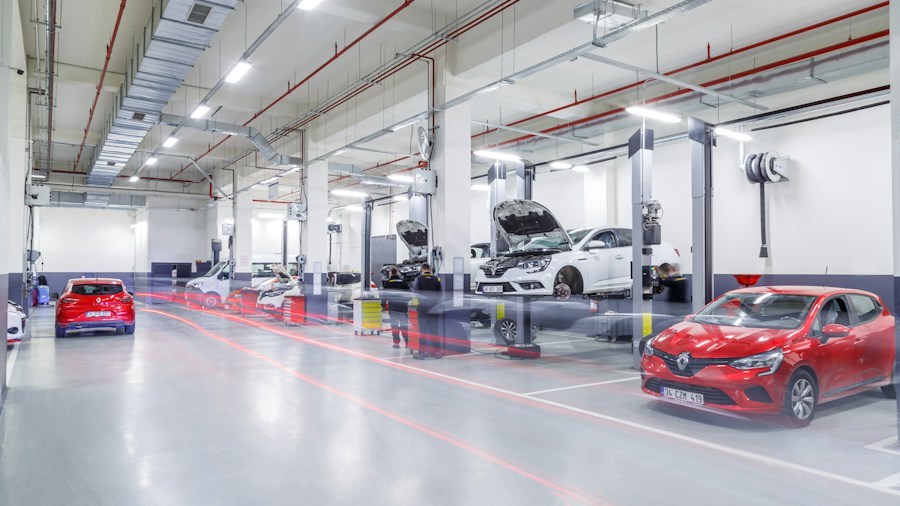
If you own an automatic transmission vehicle, your next step is clear: schedule a transmission fluid service appointment. Don’t assume your transmission will last the life of your vehicle without maintenance. Check your owner’s manual for the manufacturer’s recommendation. Many modern vehicles suggest transmission fluid changes between 30,000 and 100,000 miles, depending on driving conditions.
When you contact a repair shop, be prepared for resistance to this recommendation. Understand that the shop is right and the lifetime fill myth is wrong. A recent recall affecting specific tire brands, like the Avix TrailTek RT recall, reminds us that staying on top of vehicle maintenance and recalls protects both safety and long-term value.
Ask your technician to document the current condition of your transmission fluid and explain the risks of skipping service. Request an estimate for the recommended maintenance. Most importantly, view transmission fluid service as insurance against expensive future repairs. The few hundred dollars you spend today could prevent a transmission failure that sidelines your vehicle and costs thousands to fix.
Moving Forward
The survey results show repair shops recognize the opportunity but struggle with customer education. Your role as a vehicle owner is to stay informed and proactive. Don’t let the lifetime fill myth dictate your maintenance decisions. Regular transmission fluid service is not optional, it’s essential vehicle care.











Write Your Review
No reviews yet. Be the first to share your experience!