

Tesla has finally unveiled the long-awaited 2028 Roadster, and it’s nothing like the concept vehicle that captured imaginations nearly a decade ago. This time, the company is taking a radically different approach to set itself apart in an increasingly crowded field of high-performance electric vehicles. Instead of relying purely on raw battery power, Tesla has integrated compressed air thruster technology inspired by SpaceX innovation to create a vehicle that can literally leave the road.
Revolutionary Thruster Technology Changes the Game
The standout feature of the 2028 Roadster is its pneumatic propulsion system. Rather than occupying the passenger seat in the top-tier trim, Tesla has installed a 600-liter compressed air tank weighing 250 kilograms. This system stores pressurized air that feeds into strategically positioned thrusters across the vehicle’s exterior. According to Tesla’s reveal event, these thrusters generate enough force to propel the Roadster from zero to 60 miles per hour in under one second, a claim that positions it at the absolute peak of automotive acceleration performance.
Beyond raw speed, the thrusters enable capabilities that blur the line between car and aircraft. The Roadster can hop over traffic, execute flips mid-air, and even drive upside down thanks to a downforce-generating fan system borrowed from race car technology. Tesla demonstrated 4,000 pounds of downforce at the reveal, the same aerodynamic principle used in the McMurtry Spierling hypercar. For shoppers considering ultra-premium performance vehicles, the Roadster signals Tesla’s commitment to pushing beyond traditional automotive boundaries.
Design Language Inspired by Fighter Jets and Classic Supercars
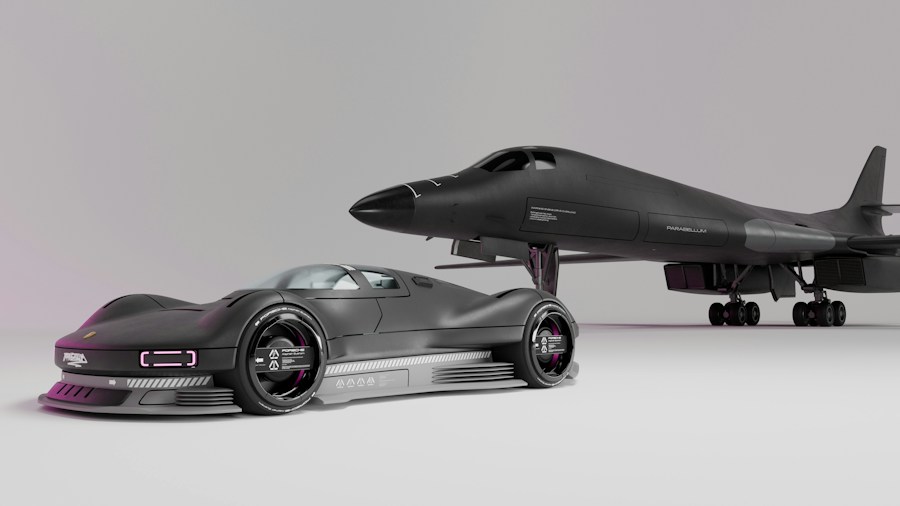
The exterior styling represents a complete departure from 2017-era concepts. Tesla’s chief designer, Franz von Holzhausen, drew inspiration from fighter aircraft and vintage supercars to create an angular, minimalist aesthetic. The front end features distinctive lighting reminiscent of the Lamborghini Reventon, while the rear light bar design echoes elements seen in the Cybertruck and new Jaguar Type 01.
One notable design choice: this is not a traditional roadster. The roof remains fixed, maintaining the unbroken line work that defines the vehicle’s futuristic profile. The design incorporates deployable aerodynamic components rather than fixed wings or spoilers, preserving clean lines across different driving modes. Though Tesla has not specified exactly when the aero kit deploys, the system suggests the vehicle will adapt its aerodynamics based on driving conditions and speed.
Interior and Control Systems
Inside, the Roadster follows Tesla’s established design philosophy. A single central screen handles all vehicle functions, eliminating traditional dashboard layouts. The vehicle features a yoke steering wheel, no side mirrors, and all steering, braking, and acceleration controlled by electronic inputs rather than mechanical cables. Low-mounted, heavily bolstered seats keep occupants stable during the vehicle’s more extreme maneuvers.
The thruster system’s space requirements create a significant practical limitation. With only two seats designed into the vehicle, the compressed air tanks and associated equipment will likely convert the Roadster into a single-seat configuration in reality. Tesla has yet to announce how this impacts range, weight distribution, or overall performance specifications. For potential buyers, this detail raises questions about real-world usability versus showroom appeal.
Performance Specifications and Timeline
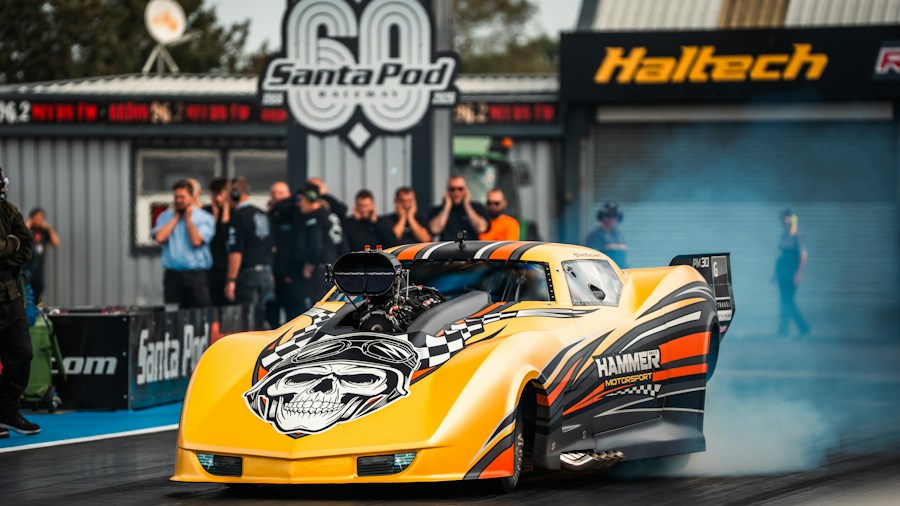
Beyond the sub-one-second zero-to-60 capability, the Roadster reportedly reaches a top speed of 230 miles per hour. The powertrain configuration, motor arrangement, and battery specifications remain undisclosed. Tesla has also not released charging times, range estimates, or efficiency data, leaving significant questions about how the thruster system integrates with the electric drivetrain.
Production is scheduled for 2028, though shoppers should note Tesla’s historical pattern of missing announced timelines. Previous Tesla product delays have ranged from months to years, and a vehicle with this level of technological complexity may face additional development challenges.
What This Means for Shoppers
The 2028 Roadster represents an evolution in how automakers approach extreme performance. Rather than incremental horsepower increases, Tesla has introduced an entirely new category: air-assisted electric acceleration. The technology is real and demonstrated, but the production timeline remains distant and uncertain. Shoppers interested in this vehicle should view it as a forward-looking statement of capability rather than an immediate purchase option. Full specifications, pricing, and confirmed delivery dates will likely emerge much closer to the 2028 window.




Write Your Review
No reviews yet. Be the first to share your experience!