

Tesla’s Cybercab rollout in Austin marks a turning point for the automotive industry, but it’s also creating significant implications for the used electric vehicle market. The robotaxi launch signals that Hardware 3 (HW3) technology, which powers Tesla vehicles built between 2021 and early 2024, is officially becoming outdated. For shoppers considering a used Tesla, understanding what this means for both pricing and capabilities is essential before making a purchase decision.
HW4 Hardware Changes Everything
The Cybercab runs exclusively on Hardware 4 (HW4), Tesla’s latest onboard computer system. While HW4 has been available in certain Model S and Model Y vehicles since early 2023, the Cybercab represents a watershed moment that will accelerate the decline of HW3-equipped vehicles in the used market.
The hardware upgrade delivers substantial improvements. HW4 chips process data roughly twice as fast as HW3 systems, featuring 16 gigabytes of RAM compared to 8 gigabytes in the older generation. The camera system is dramatically superior: HW4 uses five-megapixel cameras with wider lenses and superior low-light performance, whereas HW3 relies on 1.2-megapixel cameras. These technical advantages translate to faster response times in driving situations and more reliable autonomous functionality.
The Self Driving Capability Gap
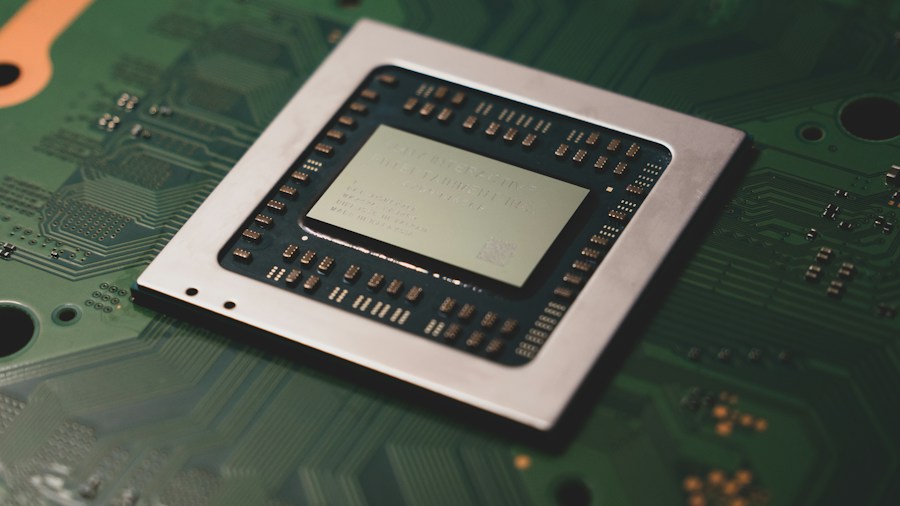
Here’s the critical issue for used car shoppers: Tesla has officially confirmed that HW3 will never be capable of unsupervised full self-driving. During earnings discussions, company leadership explained that HW3 systems lack sufficient bandwidth, operating with roughly one-eighth the memory capacity of HW4. This means any 2021-2024 Model 3 or Model Y with HW3 cannot achieve true autonomous driving, regardless of future software updates.
HW3 vehicles will continue receiving minor updates for features like automatic parking and lane-centering assistance, but shoppers expecting to remove their hands from the wheel should not consider these used options. The Cybercab’s arrival demonstrates exactly what autonomous capability looks like, and older Tesla models simply cannot deliver it.
Used Tesla Prices Are Crashing
The obsolescence announcement has triggered rapid depreciation across the used Tesla market. Recent price tracking shows dramatic declines: a 48,475-mile 2021 Model 3 dropped by over six thousand dollars, while a 185,970-mile 2021 Model 3 lost more than ten thousand dollars from asking price. Model Y vehicles are experiencing similar pressure, with some examples seeing price reductions in the eight-thousand-dollar range.
The pattern is clear: dealers are cutting prices aggressively to move inventory before values fall further. Most used Tesla listings show recent price drops in the thousands, creating both opportunity and risk for buyers. If you find a vehicle you like, competition is fierce enough that significant negotiation is possible. However, waiting even a few days could mean the same car appears elsewhere at a substantially lower price.
Trade In Credits and Depreciation Reality
Tesla is offering trade-in credits for owners of HW3 vehicles with enhanced autopilot features. One documented trade-in example shows a 2022 Model S originally purchased for just under 105 thousand dollars receiving an initial trade-in offer of 37 thousand, which increased to 40 thousand when autopilot features were accounted for. This represents roughly 38 percent of the original purchase price after four years of ownership.
That trajectory suggests used HW3 Teslas will continue depreciating steeply. If retrofitting older vehicles with HW4 hardware were possible, owners might justify holding onto them, but Tesla has made clear that hardware upgrades require trading the vehicle in entirely. As other luxury manufacturers reassess electric vehicle strategies, Tesla’s hardware obsolescence adds another layer of complexity to EV purchase decisions.
Should You Buy a Used HW3 Tesla Right Now
For buyers interested primarily in reliable transportation and lower cost of ownership, right now represents an excellent opportunity. Used Model Y vehicles in particular have held value better than most EVs due to high demand, and recent price cuts make them genuinely affordable entry points into electric vehicle ownership.
However, if autonomous driving capability motivates your interest, purchasing an HW3 vehicle is shortsighted. Current HW4-equipped Model Y inventory is still trending near 75 percent of original retail price, which better preserves long-term value and actually delivers on the self-driving promise Tesla marketed.
The Cybercab launch has effectively split the Tesla used market into two tiers: affordable HW3 vehicles with permanent capability limitations, and newer HW4 systems with a clear technological advantage. Knowing which tier matches your actual needs will determine whether you’re getting a genuine bargain or simply buying yesterday’s technology at a discounted price.











Write Your Review
No reviews yet. Be the first to share your experience!