

Tesla Sets Sights On Record Breaking Electric Supercar Performance
Tesla has announced ambitious performance targets for its long-delayed Roadster, claiming the electric supercar will eventually reach speeds of 330 mph. This would make it the fastest production vehicle ever built, surpassing legendary hypercars from Bugatti, Koenigsegg, and other extreme automakers. However, the company currently targets a more conservative 214 mph as its initial top-speed benchmark, with the 330 mph goal representing a future development milestone.
The distinction between Tesla’s current claims and its ultimate targets is critical for potential buyers. The company has a track record of setting ambitious timelines and performance figures, so skepticism is warranted until independent testing validates these assertions. The Roadster’s engineering team, including Chief Designer Franz von Holzhausen and VP of Vehicle Engineering Lars Moravy, has committed to the 330 mph objective, but achievement remains unproven.
Understanding The Roadster’s Power And Range Specifications
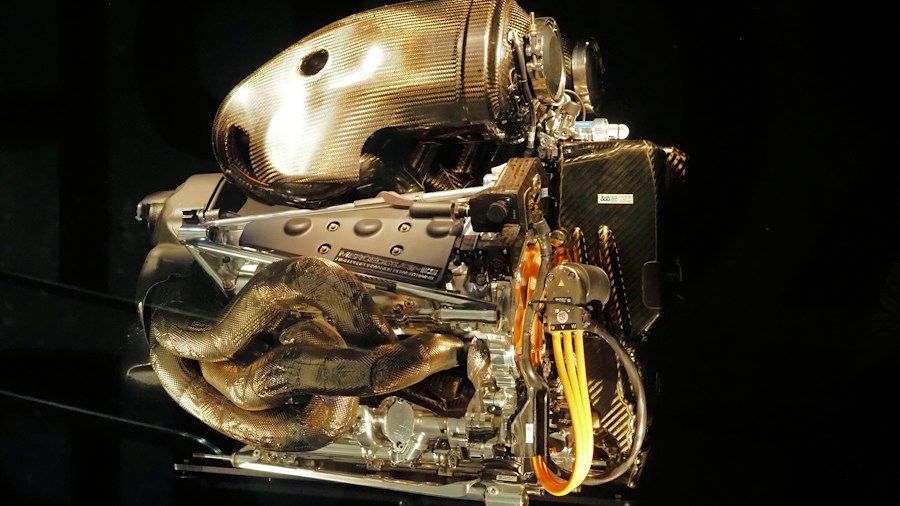
The upcoming Roadster will feature two electric motors mounted on the rear axle, delivering impressive power across multiple configurations. The standard model produces approximately 1,073 horsepower and 885 pound-feet of torque, while the Performance version increases output to roughly 1,350 horsepower and 1,033 pound-feet of torque. These numbers place the Roadster firmly in supercar territory, capable of extraordinary acceleration and performance.
Range specifications tell a different story than earlier promises. Tesla cites 310 to 320 miles of driving range depending on the model variant. This represents a significant reduction from the 500-plus-mile range that was promised during the vehicle’s original 2017 concept reveal. The company supports rapid charging at 500 kilowatts, enabling owners to charge from 10 to 80 percent in less than 15 minutes, though battery capacity details remain undisclosed.
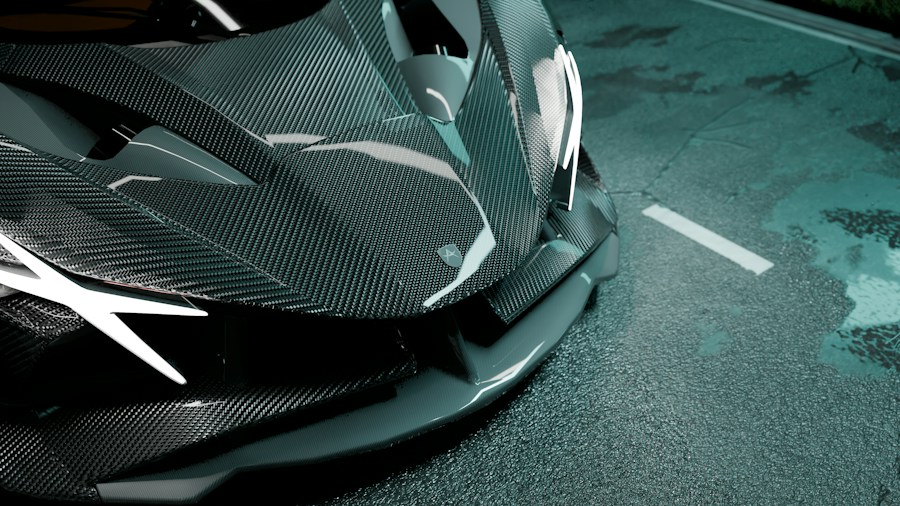
The Roadster’s lightweight construction uses carbon fiber bodywork and weighs less than 3,747 pounds in its lightest configuration. Despite its electric powertrain and premium materials, the price tag will reach six figures, positioning it as an exclusive luxury performance vehicle rather than a mainstream offering.
The Thrust And Rocket Configurations Explained
Tesla plans to offer the Roadster in four distinct configurations, with the base and Performance models relying on conventional tire grip and active aerodynamics. The Performance variant adds fans that generate ground effect by pulling the vehicle onto the pavement, improving grip during extreme cornering and acceleration.
The Thrust version introduces compressed air technology, featuring a pressurized-air tank and four rear-facing nozzles. By firing compressed air to supplement tire-based traction, this configuration targets sub-one-second acceleration to 60 mph. The Roadster will be Tesla’s final manually driven car, and these advanced propulsion systems highlight how far the company is pushing automotive technology boundaries.
The range-topping Rocket model removes the passenger seat to accommodate additional compressed-air storage. Six extra thrusters enable directional changes, vehicle stabilization, and even brief lift-off moments. Tesla targets a remarkable 0-to-60 acceleration time of 0.59 seconds for the Rocket variant, though this extreme performance comes with practical limitations. The compressed-air system has finite capacity before requiring replenishment, making it impractical for daily driving despite potential road legality.
Production Timeline And Reservation Details
Tesla has scheduled Roadster production to begin in 2028, representing more than a decade of development since the original concept reveal. The extended timeline reflects the engineering complexity involved in achieving these performance targets, though it also raises questions about whether the company can meet this deadline given its historical track record with delivery schedules.
Reservations are already open to interested buyers. Performance model buyers must commit a $50,000 deposit, while the Thrust variant requires $250,000. The exclusive Rocket configuration is available only by invitation, with final pricing still to be determined. These substantial reservation amounts signal serious intent from Tesla, though potential customers should recognize that production delays remain possible.
What This Means For High-Performance Car Shoppers
Reaching 330 mph requires more than raw horsepower. Tires must withstand enormous centrifugal forces at extreme speeds, a challenge that even legendary hypercar manufacturers have struggled to overcome. When Bugatti achieved 304.773 mph in 2019, the company needed specially reinforced Michelin tires derived from road specifications but engineered specifically for the record attempt. Tesla will face similar engineering obstacles in proving its speed claims.
For buyers considering the Roadster, waiting for independent verification of performance claims represents the prudent approach. While the specifications sound extraordinary, Tesla must deliver real-world validation before these vehicles transform from promises into achievements. The company’s history of setting bold targets without consistent follow-through warrants maintaining healthy skepticism about timelines and final performance figures.


Write Your Review
No reviews yet. Be the first to share your experience!