

Outboard Motors and Corrosion: What Boat Buyers Need to Know Before Purchasing
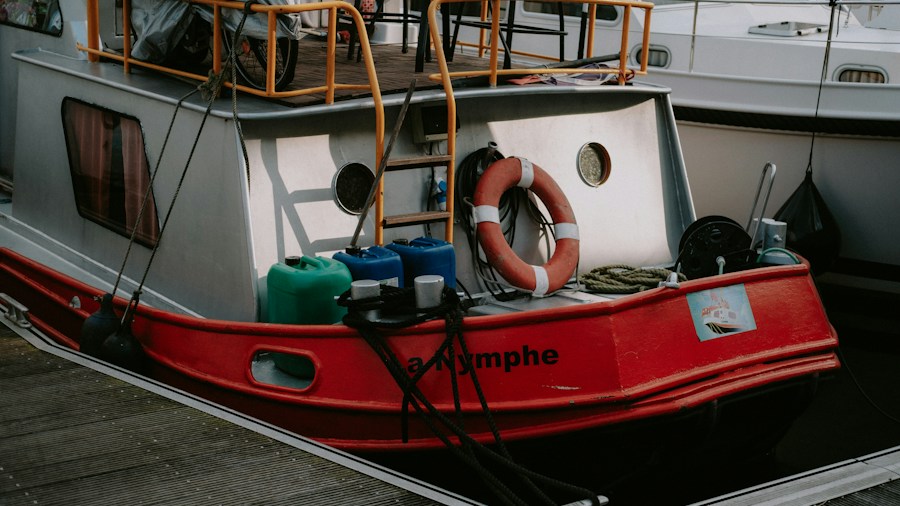
When shopping for a new boat, the engine type you select will significantly influence your ownership experience, maintenance demands, and long-term satisfaction. Among the options available, outboard motors remain popular due to their space-saving design and potential for multiple installations. However, prospective boat owners should be aware of several important drawbacks before committing to this configuration, particularly the heightened risk of corrosion damage.
Understanding the Corrosion Risk with Outboard Motors
The most significant disadvantage of outboard motors stems from their exposed location. Unlike inboard engines housed inside a boat’s hull, outboard motors sit completely outside the vessel, making them vulnerable to constant environmental exposure. When owners neglect regular maintenance, salt water exposure can lead to serious corrosion that compromises both performance and structural integrity. Similar corrosion challenges affect other vehicles and equipment, as seen in cases like the 400 classic trucks heading to auction that revealed real rust damage concerns.
Preventing corrosion requires a genuine commitment to ongoing boat care. After each outing, owners should rinse the outboard motor’s exterior with fresh water and flush the cooling system according to manufacturer specifications. Additionally, regular cleaning with gentle soap and specialized outboard motor care products helps protect against salt water deterioration. For those considering boat ownership, understanding these maintenance obligations is essential before deciding whether an outboard motor suits your lifestyle and commitment level.
Other Notable Disadvantages to Consider
Beyond corrosion vulnerability, outboard motors present several other challenges worth evaluating. Noise levels can be notably higher with outboard configurations compared to inboard alternatives, which may impact your boating experience if you prefer calm, quiet water time. However, modern outboard motor technology has made significant strides, with newer models offering improved quietness and increased power compared to earlier generations. When shopping for a boat, researching the specific motor model will help determine whether noise levels align with your preferences.
Safety concerns also deserve careful consideration, especially if you enjoy water sports like wakesurfing. The exposed propeller positioning inherent to outboard motors creates serious injury risks for anyone near the water’s surface, and similar corrosion and structural safety issues affect land vehicles in recalls that highlight how equipment location impacts user protection. Some jurisdictions have even banned wakesurfing with outboard motors due to these hazards.
The rear-mounted location also limits usability of the swim platform, making it difficult to relax or access the water in that area. Some boat enthusiasts also consider the external motor positioning to be an aesthetic drawback that detracts from the vessel’s overall appearance.
Making an Informed Purchase Decision
While outboard motors do have legitimate disadvantages, they remain the right choice for many boaters. The extra interior and deck space they provide, combined with the possibility of installing multiple motors for increased power, appeals to many water enthusiasts. The key is evaluating whether the benefits align with your specific needs and maintenance capacity.
Before purchasing a boat with an outboard motor, honestly assess your willingness to perform regular upkeep and understand the corrosion prevention steps required in your local boating environment. Salt water and freshwater locations present different challenges, with salt water requiring particularly vigilant maintenance. Consider consulting with boat dealers or experienced outboard motor owners to discuss realistic maintenance expectations and long-term ownership costs.
As with any major purchase, learning about the specific motor model and its features will guide your decision. Recent cases of corrosion affecting major equipment demonstrate why understanding exposure risks matters when selecting any vessel or vehicle. Taking time to understand your priorities, boating goals, and maintenance capabilities will help ensure you select the engine type that genuinely serves your needs for years of enjoyable boating ahead.










Write Your Review
No reviews yet. Be the first to share your experience!