

When you purchase a new tire, you are investing in far more than rubber and tread. Today’s tire engineering relies on sophisticated chemistry that directly affects how your vehicle handles wet roads, dry pavement, and changing weather conditions. Understanding what goes into modern tire design helps you make informed decisions when shopping for your next set.
The Science Behind Tire Grip
Every tire on the road uses a carefully formulated rubber compound designed to deliver consistent performance across different driving conditions. Modern tire manufacturers, including those producing classic car options, employ full-silica tread compounds that enhance wet grip and all-weather capability. This chemistry is not incidental; it is central to how a tire functions.
The rubber itself must remain flexible enough to conform to the microscopic peaks and valleys on road surfaces. This texture is where friction is generated. When rubber can adapt to these tiny irregularities, traction improves significantly. Tire intelligence now includes AI-powered systems that help fleet operators monitor tire performance in real time, showing just how advanced tire technology has become.
In addition to the rubber compound, tire grooves serve a critical function. These channels move water away from the contact patch, preventing hydroplaning and maintaining contact with the road surface. Both the compound chemistry and the groove design work together; neither alone is sufficient for safe, reliable performance.
What This Means for Your Shopping Decisions
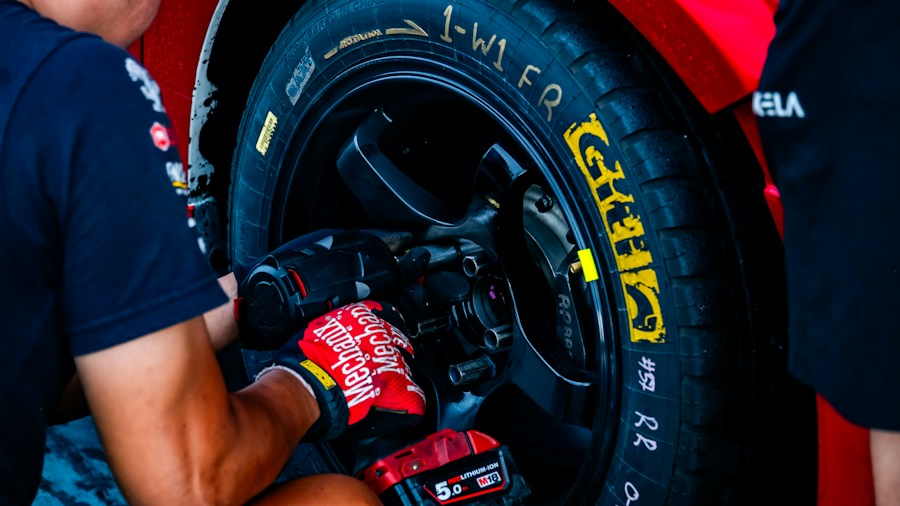
When comparing tires, pay attention to the compound technology advertised by manufacturers. A tire with superior wet grip chemistry will perform better during rain, sleet, or wet conditions than one with a basic compound. If you live in a region with frequent wet weather or variable seasons, selecting a tire with advanced silica-based compounds becomes a practical safety investment.
Tire ratings provide a standardized way to evaluate these performance differences. Treadwear grades indicate expected tire lifespan under normal driving conditions, while traction ratings measure how well a tire grips the road in wet conditions. Use these ratings as one component of your decision, alongside your vehicle type, your driving habits, and how you plan to use the tire. A tire engineered for classic cars requires different chemistry than one designed for modern electric vehicles or high-performance sports cars.
Installation and Maintenance Matter Too
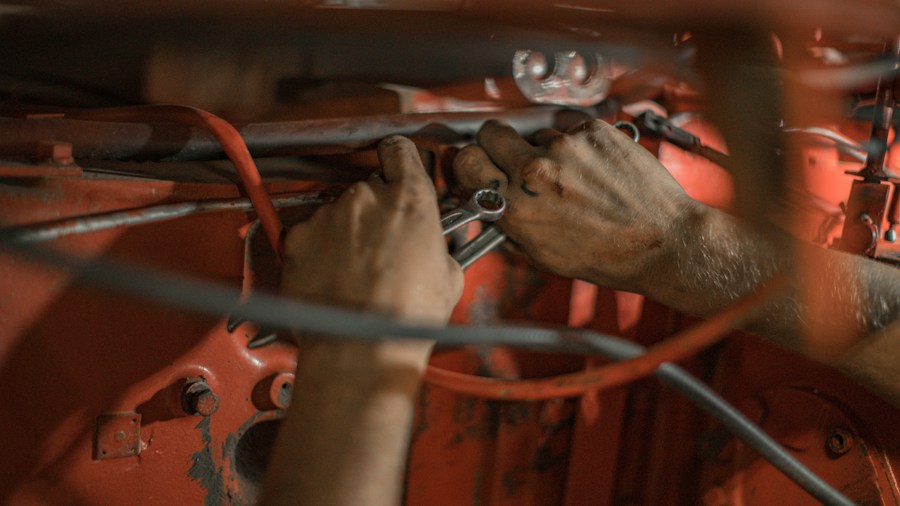
Advanced tire chemistry only works if the tire is properly installed and maintained. After new tires are mounted on your vehicle, plan to return for a torque check approximately 30 miles after installation. During the initial installation, technicians should tighten all lug nuts in the correct sequence and to your vehicle manufacturer’s specified torque setting. Premium tire selections like those factory fitted on high-end vehicles demonstrate how automakers prioritize grip and durability through careful tire engineering.
After driving about 30 miles, the wheel fasteners may shift slightly as they settle. A follow-up torque check ensures that all lug nuts remain tightened to specification. This simple step prevents uneven tire wear and wheel vibration. Neglecting it can compromise the performance benefits that advanced tire chemistry provides.
Tire Technology Continues to Evolve
Modern tire design increasingly takes into account the specific demands of different vehicle types. Electric vehicles, for example, place unique stress on tires due to their instant torque delivery and heavier weight from batteries. Tire designers now develop specialized compounds and tread patterns to handle these demands, distributing pressure more evenly and supporting tread durability over time. Factory-fit tire options demonstrate how manufacturers match tires to vehicle characteristics for optimal performance.
When you next shop for tires, consider the chemistry and engineering behind each option. Modern rubber formulations are the result of decades of research and testing. By selecting a tire with advanced compound technology appropriate for your climate and driving needs, and by maintaining it properly through torque checks and regular inspections, you ensure that your investment delivers consistent safety and performance throughout its lifespan.











Write Your Review
No reviews yet. Be the first to share your experience!