

A 1968 Kawasaki W2 660 SuperSport recently emerged from decades of storage, sparking renewed interest in the Japanese manufacturer’s early entry into the motorcycle market. For shoppers considering vintage Kawasaki models or exploring the classic motorcycle scene, this discovery offers valuable lessons about what to expect when acquiring and restoring bikes from this era.
Kawasaki’s Early Days as a Motorcycle Maker
Before Kawasaki became famous for legendary performance models, the company transitioned from aircraft manufacturing into the motorcycle business. The W2 SuperSport represents an important chapter in that journey. During the 1960s, British motorcycles dominated the market, and Kawasaki drew heavy inspiration from that design philosophy when creating its early models. This particular bike showcases how the Japanese manufacturer studied and adapted proven British engineering principles for its own lineup.
Understanding this history matters for collectors and enthusiasts evaluating vintage Kawasaki motorcycles. The W2 was a stepping stone toward the iconic models that would follow, including the revolutionary H1 and H2 series that would eventually reshape the motorcycle industry. Today, Kawasaki continues its tradition of innovative engineering with models like the supercharged Teryx H2, demonstrating how the brand has evolved from its vintage roots.
What Shoppers Should Know About Pre-1970s Motorcycle Design
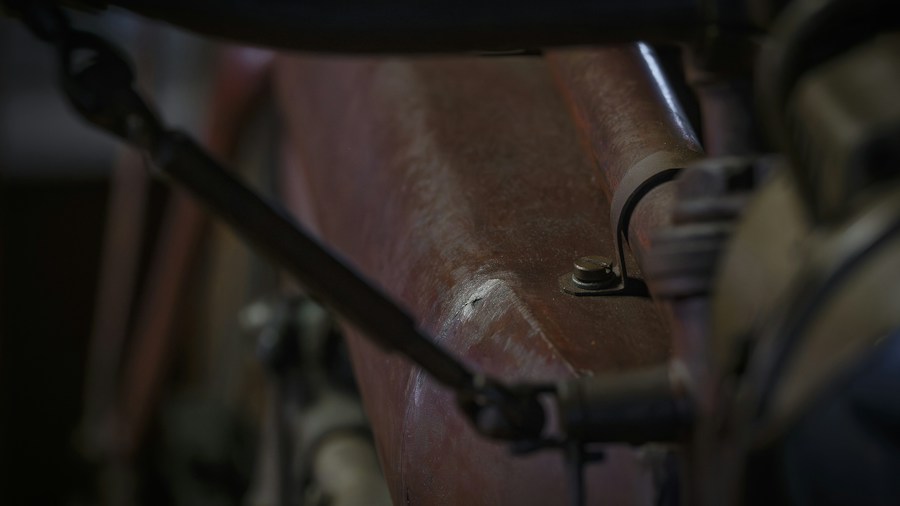
The 1968 W2 reveals several characteristics of motorcycles from this period that modern riders need to understand. Most significantly, the brake and shift controls operate in reverse from contemporary motorcycles. The left foot handles rear brake duty, while the right foot manages gear selection. Riders accustomed to modern bikes must mentally reprogram their instincts to operate these machines safely and effectively.
Additionally, many original parts on vintage motorcycles have deteriorated over the decades. The W2 examined showed mixed condition across its components, with some aftermarket additions replacing worn originals. Handlebars, seals, gaskets, and electrical components commonly require replacement or restoration. However, some elements like fuel tanks can retain surprising integrity if stored properly. This variability means that any vintage Kawasaki purchase requires a thorough pre-acquisition inspection to understand what restoration work will actually cost.
Authenticity and Originality Considerations
Collectors often weigh whether to maintain original specifications or modernize for usability. The W2 examined showed evidence of track use in its history, with details like safety-wired battery connections revealing how previous owners adapted the bike for serious riding. Vintage Kawasaki logos, emblems, and fonts throughout the machine offer a window into the company’s design evolution and marketing approach during the 1960s.
For shoppers considering vintage motorcycles, this raises important questions about preservation versus restoration philosophy. Some owners prioritize maintaining period-correct components and appearance, while others modernize critical systems for reliability and safety. As Kawasaki looks toward hydrogen motorcycle technology and other innovations, the contrast with these early models highlights how far two-wheeled transportation has advanced.
The Practical Side of Vintage Motorcycle Ownership
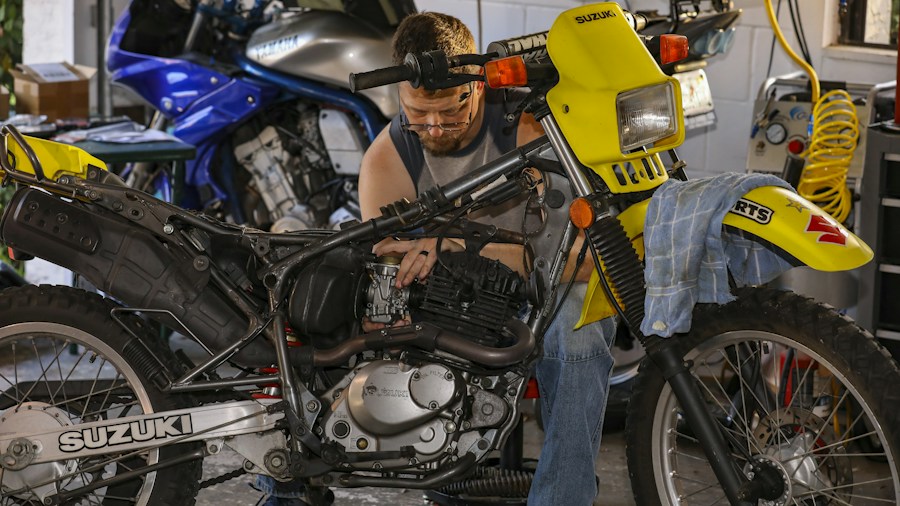
Resurrecting a motorcycle that has sat dormant for decades requires realistic expectations about costs, time, and technical knowledge. Parts sourcing becomes a significant challenge, as many original components are no longer manufactured. Finding replacement pieces, whether through specialty suppliers, salvage yards, or reproduction manufacturers, demands patience and often substantial expense.
The electrical system, fuel delivery, and engine internals deserve particular attention after extended storage. Corrosion, varnish buildup in carburetors, and deteriorated seals are nearly universal problems. A complete gasket set, new spark plugs, fresh fuel, and thorough carburetor cleaning typically represent minimum restoration work even before attempting to start the engine.
Modern Kawasaki offerings provide a stark contrast to these vintage machines, with electronic fuel injection, liquid cooling, and sophisticated safety systems. This comparison underscores why restoration projects appeal primarily to enthusiasts willing to invest significant effort in mechanical authenticity.
What This Means for Today’s Vintage Motorcycle Market
The rediscovery and examination of well-preserved vintage Kawasaki models continues to fuel collector interest in early Japanese motorcycles. As the population of original W2s and similar models shrinks, remaining examples become increasingly valuable to historians and enthusiasts. However, potential buyers should approach vintage motorcycle purchases with clear-eyed assessment of required restoration work and realistic budgeting.
Whether you seek a vintage Kawasaki as an investment, a tribute to motorcycle history, or a mechanical project, understanding the era in which these bikes were designed and built is essential. The 1968 W2 SuperSport represents an important moment when Kawasaki proved Japanese manufacturers could compete with established European brands, setting the stage for decades of innovation and dominance in the motorcycle industry.








Write Your Review
No reviews yet. Be the first to share your experience!