

Kawasaki has been quietly working on hydrogen-powered motorcycles for years, and the company just took a significant step toward making that dream more realistic. The Japanese manufacturer’s hydrogen-burning prototype demonstrates that traditional internal combustion engines do not necessarily have to disappear entirely as the industry shifts toward cleaner transportation options. However, there is a major obstacle standing in the way: figuring out how to get hydrogen fuel to riders who actually want to use it.
The Infrastructure Challenge
This is where Kawasaki’s latest partnership becomes crucial for understanding the future of hydrogen motorcycles. Kawasaki Heavy Industries recently announced a collaboration with Transgaz, a Romanian natural gas transmission operator, to explore hydrogen transportation through pipelines. The partnership centers on using Kawasaki’s advanced compressor technology to move hydrogen efficiently across large distances. While this sounds far removed from motorcycles, it addresses one of hydrogen’s most pressing problems: distribution and accessibility.
Hydrogen presents unique challenges that conventional gasoline does not face. The fuel is extremely light, requires specialized storage containers, and demands infrastructure solutions that make traditional gas station networks seem straightforward by comparison. A rider cannot simply pull up to a neighborhood fuel station and request a hydrogen tank, which limits the practical appeal of hydrogen-powered motorcycles regardless of how well the engine performs.
Beyond Motorcycles
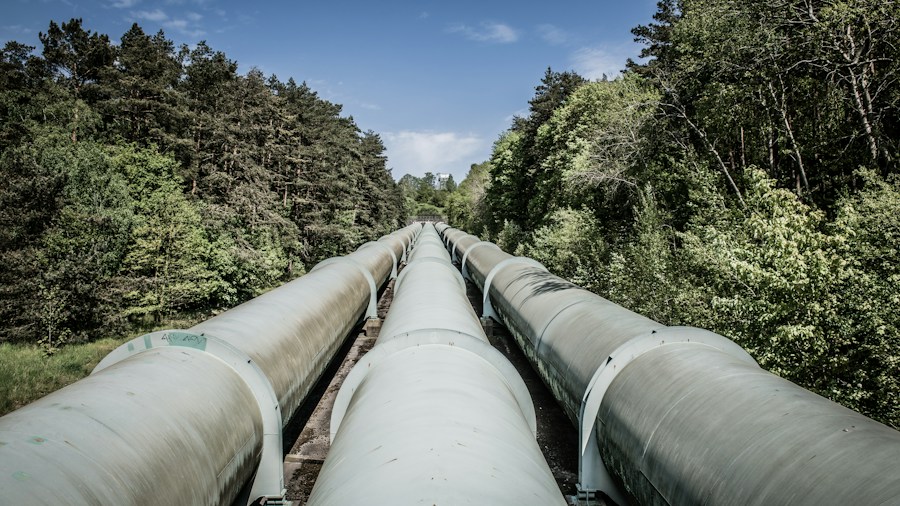
Kawasaki is not approaching hydrogen development solely as a motorcycle manufacturer. The parent company has been investing in hydrogen-related technologies across multiple industries, including industrial production, fuel transportation, and storage solutions. The Romanian pipeline project fits into this broader corporate strategy, where motorcycles represent just one possible application within a larger hydrogen energy ecosystem that Kawasaki hopes will eventually become commercially viable.
This distinction matters for buyers interested in where motorcycle technology is headed. The collaboration does not mean hydrogen filling stations will suddenly appear across Europe or along popular riding routes anytime soon. It also does not indicate that Kawasaki’s hydrogen-powered prototypes are approaching production readiness or dealership availability. However, the development does signal serious investment in solving the fundamental problems that have prevented hydrogen motorcycles from becoming practical consumer products.
For context, electric motorcycles continue to dominate alternative fuel discussions, facing their own challenges around range, charging infrastructure, weight, and affordability. Hydrogen combustion offers a different path forward that could preserve the mechanical feel and riding experience associated with traditional gasoline engines, although producing hydrogen cleanly and distributing it affordably remain enormous hurdles.
What This Means for Riders

The current situation reflects a fundamental truth about emerging motorcycle technology: building the machine is only half the challenge. Creating the supporting infrastructure necessary for that machine to function in the real world often proves equally difficult, if not more so. Kawasaki understands this reality and is addressing it by working on industrial-scale hydrogen systems rather than solely focusing on prototype development.
Riders considering their next motorcycle purchase should recognize that hydrogen-powered options remain years away from showroom availability. The technology continues to generate more questions than concrete answers, and consumer adoption will depend heavily on infrastructure development that extends far beyond motorcycle manufacturers. However, companies investing in hydrogen now are positioning themselves for potential market opportunities if this fuel source eventually becomes practical and widely available.
The broader picture suggests that the motorcycle industry will likely offer multiple fuel and propulsion options in the coming years rather than converging on a single technology. As riders evaluate new technologies in the powersports space, considering how manufacturers are investing in long-term solutions matters as much as current performance specs and features.
The Bottom Line
Kawasaki’s hydrogen motorcycle development represents a long-term strategic bet rather than an imminent consumer product launch. The partnership with a natural gas infrastructure company demonstrates that serious engineering work is underway to solve practical problems, not just theoretical ones. While hydrogen motorcycles may never become mainstream, the company’s commitment to addressing the fuel distribution problem shows that at least one major manufacturer takes the technology seriously enough to invest in systemic solutions. Buyers should monitor these developments with measured interest while recognizing that hydrogen-powered bikes remain on the distant horizon of motorcycle technology.










Write Your Review
No reviews yet. Be the first to share your experience!