

A major tire manufacturer is bringing advanced Very High Flexion (VF) tire technology to Canada’s Outdoor Farm Show this September, showcasing solutions designed to address longstanding challenges farmers face on the field. The exhibition will feature a comprehensive lineup of tires engineered specifically for tractors, harvesters, and specialty agricultural equipment, signaling a shift toward more efficient soil management in modern farming operations.
What VF Technology Means for Farm Equipment
Very High Flexion tires represent a significant advancement in agricultural tire design. Unlike conventional farm tires, VF models use an enlarged contact patch that distributes weight more evenly across the soil surface. This engineering approach delivers tangible performance benefits that directly impact farm productivity and sustainability.
The key advantage of VF technology is its ability to increase load capacity without requiring higher inflation pressure. According to tire industry data, these tires can handle up to 40% more weight at the same pressure level, or alternatively, operate at up to 40% lower pressure while supporting equivalent loads. For farmers operating equipment in heavy-duty conditions, this flexibility translates into improved fuel efficiency, reduced tire wear, and extended service life.
Specific Products Coming to Canadian Farmers
The September 15-17 show in Woodstock, Ontario will display several specialized models tailored to different farming applications. AgriMax V-Flecto addresses the needs of high-horsepower tractor operators, while AgriMax ProCrop serves farmers working with row crops and spraying equipment, including the newly released ProCrop line. For operations focused on combines and mechanical harvesting, the AgriMax ProHarvest model is specifically designed to handle the unique demands of gathering equipment.
Additional options on display include AgriMax Spargo and V-Flexa, both incorporating the same advanced load-handling and pressure-reduction capabilities. For farmers prioritizing on-road transport between fields and facilities, the RideMax FL 693 M offers improved comfort and self-cleaning properties that reduce maintenance downtime.
The company will also showcase tires for specialty applications, including all-terrain sports models and turf-focused designs, expanding the relevance of the exhibition beyond traditional row-crop operations.
The Soil Compaction Problem and How VF Solves It
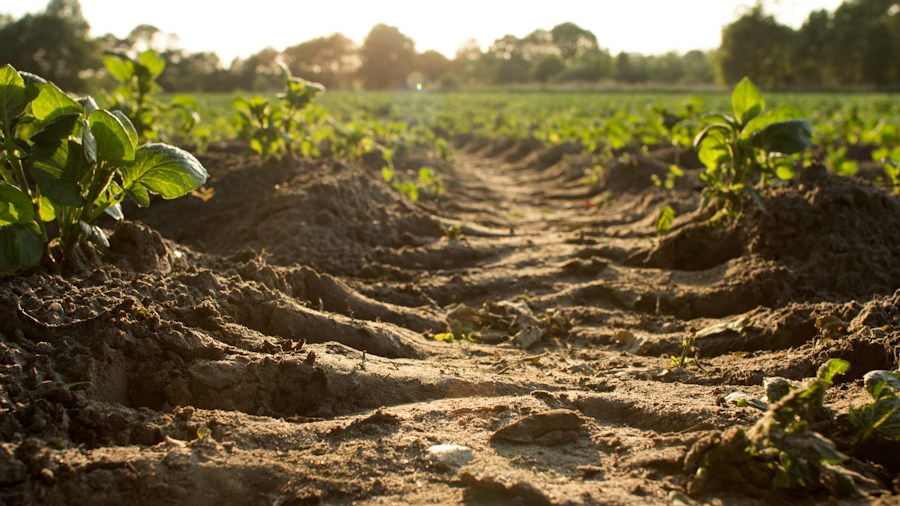
One of the most persistent issues in modern agriculture is soil compaction caused by heavy equipment repeatedly traveling across fields. Compacted soil reduces water infiltration, limits root development, and decreases overall soil productivity. This degradation can take years to reverse, making soil preservation a critical concern for sustainable farming.
The broader tire industry is actively addressing this challenge. Tire production advances continue to improve manufacturing efficiency and performance characteristics, enabling manufacturers to engineer solutions that balance equipment capability with environmental stewardship. VF tire technology directly targets this intersection by enabling lower ground pressure without sacrificing load capacity.
Why This Matters for Farmers Right Now
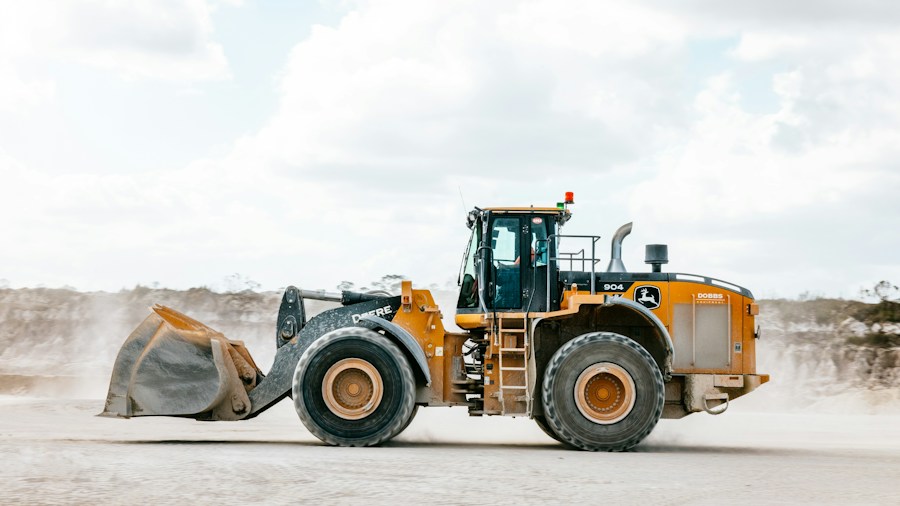
The agricultural equipment market is shifting. As tractor horsepower continues to increase and farming operations become more intensive, traditional tire designs struggle to support both equipment capability and soil health simultaneously. VF technology bridges this gap, allowing farmers to invest in newer, more powerful equipment without accepting increased soil damage as an inevitable trade-off.
For farmers considering equipment upgrades or replacement tire purchases, understanding VF technology advantages provides leverage in decision-making. Modern tire monitoring systems and inflation management have become increasingly sophisticated, allowing operators to optimize tire pressure for specific field conditions and equipment configurations throughout the growing season.
What Shoppers Should Expect
The Canadian show represents a significant outreach effort by the manufacturer to connect directly with dealers, equipment operators, and farmers. Company representatives plan to gather information about regional agricultural needs and soil conditions, suggesting that product development may be informed by feedback from Canadian farming communities.
For U.S. farmers watching these developments, the appearance of these tire solutions at major agricultural events signals broader market availability. The tire industry continues evolving with leadership and strategic initiatives focused on meeting diverse customer needs, and agricultural applications represent a growing focus area for innovation investment.
When evaluating replacement tires for your farming operation, consider requesting pressure and load specifications for VF options alongside traditional tires. Calculate the potential fuel savings and soil preservation benefits over the tire’s lifespan, as these factors often justify a modest price premium over conventional agricultural tire designs.










Write Your Review
No reviews yet. Be the first to share your experience!