

Major Expansion in Emissions Control Coverage
Aftermarket emissions technology continues to evolve as manufacturers expand their product portfolios to serve millions of vehicle owners. AP Emissions Technologies has just announced the release of four new catalytic converter part numbers that meet 46-State Federal EPA standards, bringing replacement coverage to over 1.1 million vehicles currently on the road. This expansion signals growing availability for owners of popular models seeking quality replacement parts.
The newly released catalytic converter options cover several high-demand vehicle applications, including the Ford Explorer, Hyundai Kona, and Infiniti Q50/Q60 models. For owners of these vehicles facing emissions system repairs, this news means more competitive pricing and faster availability of OEM-equivalent solutions. When your original catalytic converter fails or requires replacement, having multiple qualified options from established manufacturers can significantly impact both cost and repair timelines.
Why Catalytic Converter Replacement Matters
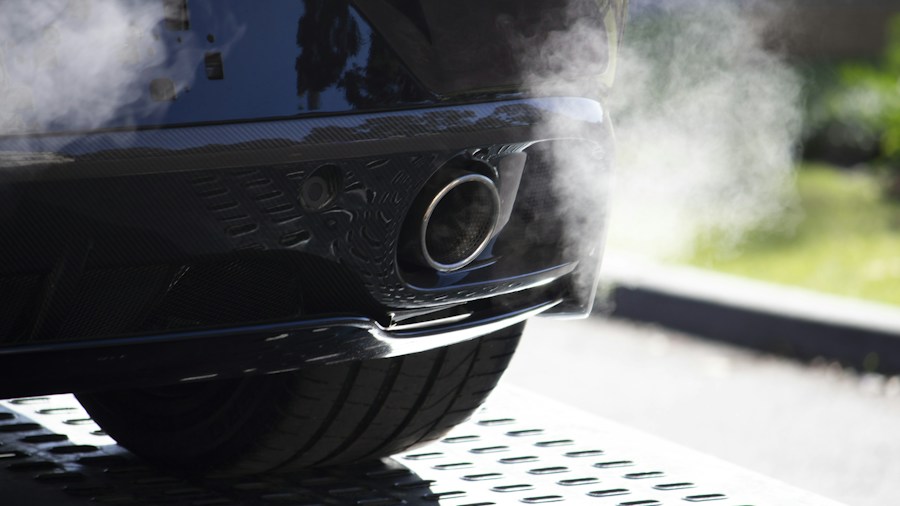
Your catalytic converter is one of the most critical emissions control components in your vehicle’s exhaust system. This device converts harmful pollutants like carbon monoxide and nitrogen oxides into less harmful substances before they exit your tailpipe. When a catalytic converter begins to fail, you may notice reduced fuel efficiency, rough idling, check engine lights, or decreased engine performance.
Replacing a failing catalytic converter isn’t optional if you want to keep your vehicle running properly and maintain compliance with state emissions regulations. The challenge has traditionally been finding quality replacement parts at reasonable prices. When manufacturers like AP Emissions expand their product lines to cover more vehicle models, consumers benefit from increased supply and healthier market competition. If you’re unsure whether your vehicle needs catalytic converter service, checking for any warning lights or consulting with a trusted mechanic is your first step toward identifying the problem.
What This Expansion Means for Shoppers
The release of four new catalytic converter part numbers represents a meaningful expansion in the aftermarket. With over 1.1 million vehicles now covered by these new options, owners of Explorer, Kona, and Infiniti models have genuine alternatives when replacement time comes. This kind of product expansion typically leads to better availability and pricing across the market.
When shopping for catalytic converter replacements, it’s important to understand that quality matters. OEM-equivalent aftermarket parts meet the same emissions standards as original equipment but often cost less. Look for converters that carry EPA certification and are designed to match your vehicle’s specifications exactly. Many of the best catalytic converters on the market today offer comparable durability and performance to original parts at a fraction of the cost.
The competitive landscape around catalytic converter manufacturing continues to intensify, which ultimately serves consumers well. More manufacturers releasing quality products means repair shops have better inventory, faster delivery times, and more options to recommend to customers. If you need catalytic converter service soon, this is a favorable time to reach out to your local repair facility and ask what replacement options they carry.
Related Emissions System Components
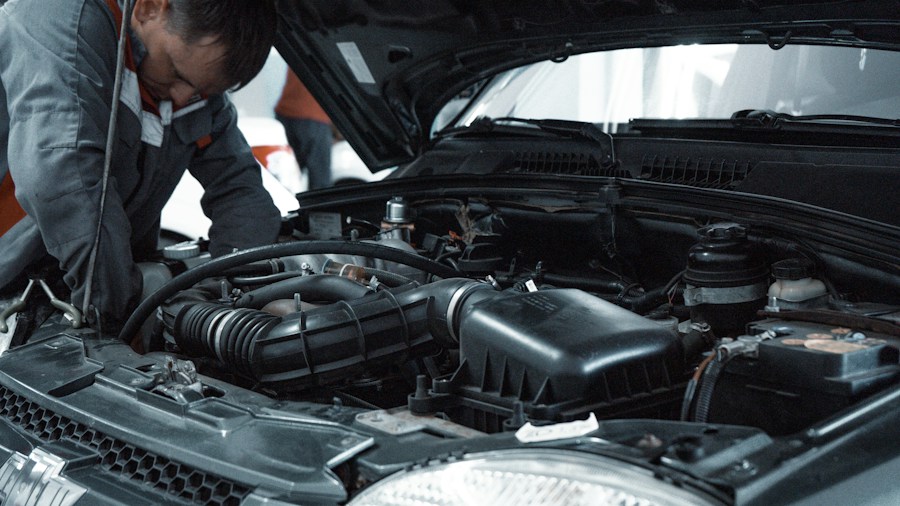
While catalytic converters receive the most attention in emissions discussions, they work as part of a larger system. Oxygen sensors, which feed real-time data to your engine computer, often need replacement around the same time as catalytic converters. These sensors help optimize fuel combustion and emissions control. Understanding how the best oxygen sensors work alongside your catalytic converter can help you make informed repair decisions with your mechanic.
Your check engine light typically illuminates when any component in this system fails. Getting an accurate diagnostic is essential before authorizing any repairs. Many shops will scan your vehicle for free or at minimal cost to identify which specific emissions component needs attention.
Taking Action
If you own a Ford Explorer, Hyundai Kona, or Infiniti Q50/Q60, now is an excellent time to stay informed about your emissions system maintenance. Regular inspection and timely replacement of worn components will keep your vehicle running efficiently and cleanly. Contact a trusted local repair shop to discuss your vehicle’s emissions system health and ask about the latest replacement options available. With expanded product availability in the market, you’re positioned to find quality solutions that fit your budget and timeframe.











Write Your Review
No reviews yet. Be the first to share your experience!