

Audi has officially ended production of its flagship A8 luxury sedan at the Neckarsulm factory in Germany. The final example rolled off the assembly line in mid-October, marking the end of a 32-year production run at the facility. However, this chapter closure doesn’t necessarily spell the permanent end of the A8 nameplate, as company officials have confirmed a successor is planned to arrive before 2030.
The End of an Era for Audi’s Flagship
The A8 has been produced at Neckarsulm since 1994, when the original generation debuted with innovative aluminum-intensive construction that set Audi apart from Mercedes and BMW in the full-size luxury sedan segment. Over nearly three decades, the model evolved through four generations, with the current version arriving in 2017. After a mid-cycle refresh in 2021, the sedan reached the end of its natural product cycle, and Audi stopped accepting new orders in Germany back in February.
The discontinuation reflects broader market trends. Full-size luxury sedans have lost appeal compared to previous decades, even though competing models like the Mercedes S-Class and BMW 7 Series remain competitive. With production now complete, the Neckarsulm plant will redirect its manufacturing capacity toward building the A5 Sedan and A5 Avant, along with their high-performance S and RS variants.
What This Means for Shoppers Looking at Audi
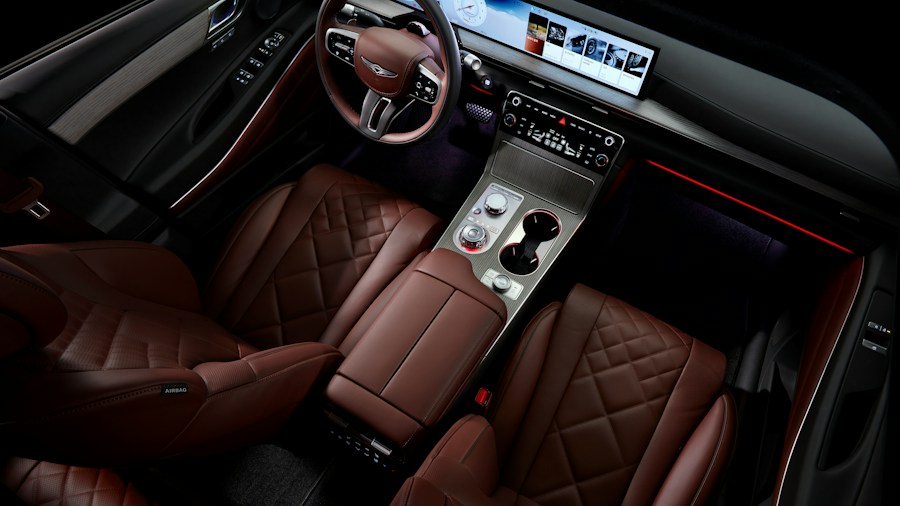
If you were considering purchasing a new A8, your options are now limited to existing dealer inventory across the United States. No fresh orders will be accepted, and pricing on remaining stock may shift as dealers clear inventory. Buyers seeking a luxury flagship experience from Audi currently have one alternative: the newly launched Q9 full-size SUV, which now serves as the brand’s top-tier offering until the A8 successor arrives.
The Q9, manufactured in Slovakia, brings three-row seating and substantial road presence to Audi’s luxury lineup, targeting buyers who prefer the commanding height and space of an SUV over a traditional sedan configuration. For those specifically committed to the A8 nameplate, the wait extends to the end of the decade, though plans for an A8 successor are already confirmed.
What Form Will the Next A8 Take
Audi has not yet committed to a specific powertrain or design direction for the replacement. The company spokesperson indicated that a successor announcement would come toward the end of this decade, with further details to follow. The new model could arrive as a fully electric vehicle, continue with traditional combustion engines, or occupy the middle ground as a plug-in hybrid. Given Audi’s broader shift toward electrification and its introduction of a fresh design language across the model lineup, the next A8 will likely reflect these modern styling and technology priorities.
Additionally, Audi is expanding U.S. manufacturing capabilities, which could eventually play a role in where future generations of vehicles are produced for American consumers.
Challenges Facing Audi’s Production Strategy
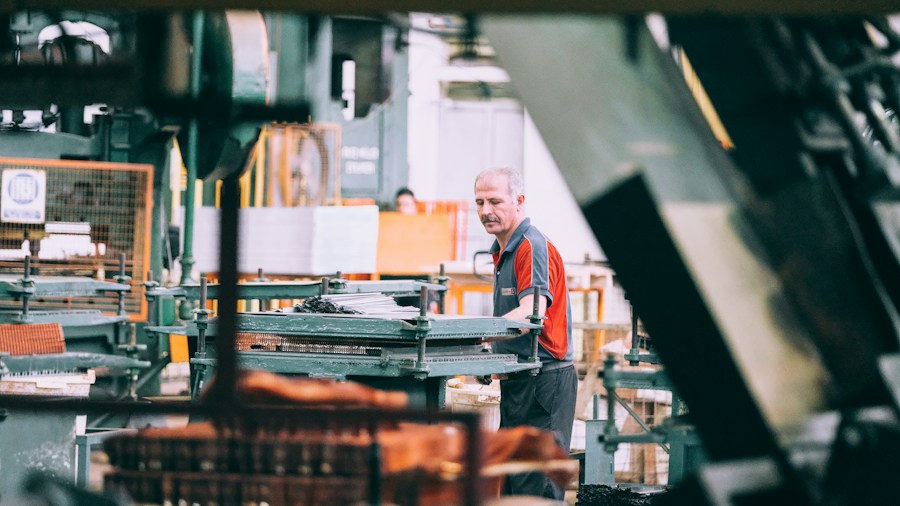
The A8’s discontinuation also raises questions about the long-term viability of the Neckarsulm facility itself. Volkswagen Group’s board recently approved a Future Plan 2030 that acknowledges European production capacity exceeds demand by more than 500,000 vehicles annually. The plan specifically notes that Neckarsulm, along with plants in Emden, Zwickau, and Hanover, currently lack secured production allocations beyond 2030.
The group intends to develop a comprehensive European production strategy by June 2027 while exploring alternative uses for affected facilities. While this doesn’t guarantee closure of Neckarsulm, the explicit mention of uncertain future demand is a concern for the plant’s workforce and Audi’s long-term manufacturing footprint in Germany.
The Bigger Picture for Audi’s Luxury Segment
A premium automaker competing directly with BMW and Mercedes requires a proper flagship sedan to maintain prestige and market position. Until the A8 successor arrives, that leadership role temporarily falls to the Q9, representing a strategic pivot toward SUVs that mirrors broader consumer preferences across the luxury market.
For shoppers, the takeaway is clear: if you want an A8, act quickly on available inventory while supplies last. If you can wait until the end of the decade, the replacement will likely incorporate Audi’s latest technology, design language, and powertrain innovations. In the meantime, consider the Q9 or evaluate competing full-size luxury sedans and SUVs from other manufacturers.










Write Your Review
No reviews yet. Be the first to share your experience!