

The tools technicians rely on have a way of becoming must-haves for vehicle owners over time. Diagnostic scan tools followed this pattern, transitioning from shop-owned equipment to personal investments. The next tool heading down that path is the battery charger, and understanding why matters for anyone who maintains their own vehicle.
Why Battery Chargers Have Become Essential
Modern vehicles use several different battery chemistries, each with unique charging requirements. Sealed lead-acid (SLA), absorbed glass mat (AGM), gel, enhanced flooded (EFB), deep-cycle, and lithium-ion batteries all demand specific electrical profiles during charging. Using the wrong charger or charging method can damage expensive battery components and reduce lifespan.
Contemporary chargers use microprocessor technology to manage the charging process through distinct stages. The bulk stage holds constant current while voltage increases. The absorption stage maintains voltage while decreasing current during the final 20% of the charge cycle. The float stage reduces voltage further, essentially maintaining the battery without overcharging. For traditional flooded lead-acid batteries, an equalization mode removes sulfation buildup on battery plates.
The Risks of Incorrect Charging

Overcharging different battery types produces different failures. SLA batteries may experience excessive gassing, releasing hydrogen and oxygen through pressure relief valves that never recombine, depleting electrolyte levels. AGM batteries prove especially vulnerable to overcharge damage. Gel batteries develop bubbles in the electrolyte gel when overcharged. Lithium batteries operate on only two charging stages (constant current and constant voltage) and suffer permanent damage from incorrect profiles, much like the cordless drill batteries many homeowners already understand.
Modern vehicles also rely on stable power during critical procedures. The best battery chargers for car often include re-flash power mode, which maintains steady voltage during vehicle control module updates and performance tuning. Any voltage fluctuation during these procedures can cause expensive problems that extend far beyond simple battery concerns.
Smart Features That Protect Your Investment
Today’s chargers eliminate much of the guesswork that plagued older equipment. You simply select your battery type, and the charger delivers the proper profile automatically. This user-friendly approach removes the need for technical knowledge about voltage and current requirements.
Polarity detection has become standard on quality chargers. This safety feature warns you if cables are reversed during connection, preventing catastrophic damage to vehicle electrical systems. Modern vehicles contain dozens of sensitive electronic modules, and reversed polarity creates failures that traditional vehicles could sometimes survive.
Stable power supply features matter whether you’re working in a professional shop or your home garage. Many contemporary chargers maintain consistent voltage output, protecting both your battery and any vehicle systems that remain connected during charging. This becomes increasingly important as vehicles grow more electronically complex.
The Shift to Personal Equipment Ownership
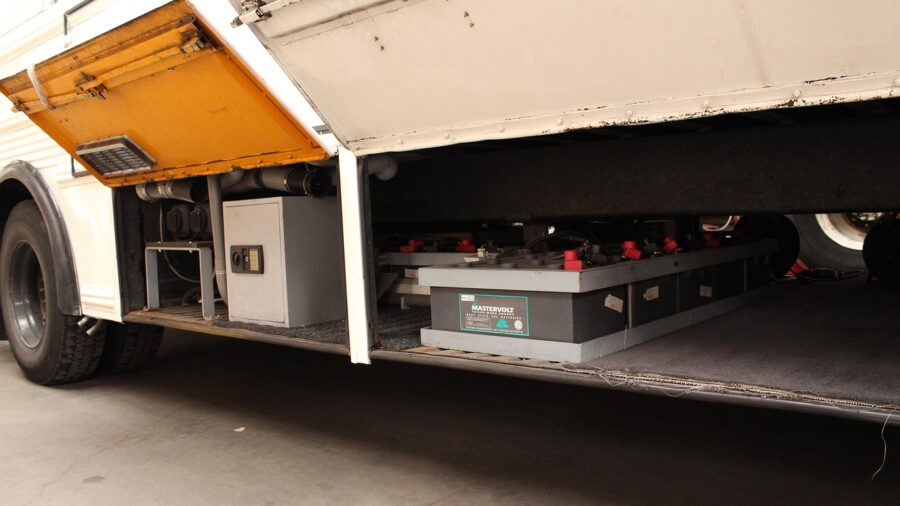
Like scan tools before them, battery chargers are becoming personal equipment investments for serious vehicle enthusiasts and DIY technicians. The reasoning is straightforward: proper battery care demands equipment designed for modern battery chemistry, and relying on random or outdated chargers introduces unnecessary risk. Much like understanding smart tips for Milwaukee M18 bundle purchases helps maximize tool value, selecting the right charger protects your vehicle investment.
The evolution of battery technology in both vehicles and power tools has made microprocessor-controlled chargers almost mandatory for proper maintenance. Battery chemistry continues advancing, and manufacturer specifications become stricter. Old-style chargers that worked fine for basic flooded lead-acid batteries simply cannot safely handle the sophisticated battery systems in modern vehicles.
Making Your Decision
If you maintain your own vehicles or plan to, investing in a quality battery charger aligned with your specific battery types makes sense. The cost of a proper charger is trivial compared to battery replacement or electrical system damage caused by improper charging. Modern chargers simplify the process while eliminating the risk that comes with outdated equipment or guesswork.
Technology changes fast, but understanding battery charging principles helps you make informed decisions about the tools you purchase. Whether you handle basic maintenance or more involved repairs, having equipment designed for today’s automotive battery systems puts you ahead and keeps your vehicle running reliably for years to come.











Write Your Review
No reviews yet. Be the first to share your experience!