

Chinese manufacturer Benda just made a bold statement at EICMA 2026 by unveiling two new middleweight roadsters that challenge the industry’s one-size-fits-all approach to engine design. The Vinster 700 and Vinster X 700 arrive powered by a genuine V-twin engine, a refreshing departure from the parallel-twin dominance that has characterized the middleweight segment for the past decade.
Why This Matters for Riders and Buyers
For years, the motorcycle market operated on a simple formula: parallel twins became the default choice for manufacturers building affordable middleweight bikes. While parallel twins offer excellent efficiency and straightforward engineering, they have contributed to a homogenization of the riding experience across dozens of models. Benda’s decision to pursue a different path signals that manufacturers are still willing to explore variety, even when it’s not the most economical choice.
The move is particularly interesting when you consider that Japanese brands largely abandoned this strategy. Suzuki helped pioneer the affordable V-twin roadster category with the SV650, which became a template for how to deliver personality and character without breaking the bank. Honda experimented with V-twin options too, including smaller-displacement models. Today, however, even Suzuki and other Japanese manufacturers have shifted heavily toward parallel-twin designs across their middleweight lineups.
Engine Specifications and Feature Set
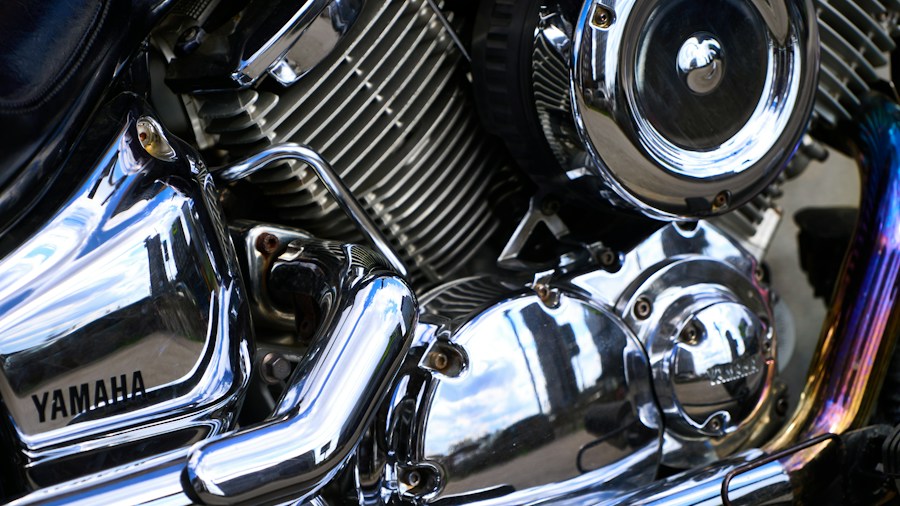
Both Vinster models share a 691.66cc, liquid-cooled V-twin engine angled at 65 degrees, producing 72.4 horsepower and 50.2 pound-feet of torque. This same engine appears in Benda’s Rock 707 cruiser and Capra 700 adventure bike, suggesting the manufacturer is building a coherent family of motorcycles around a single platform. The engine pairs with a six-speed gearbox and slipper clutch, allowing riders to downshift aggressively without fear of wheel lockup.
The technology package goes beyond basic hardware. Both bikes feature upside-down forks, a single-sided aluminum swingarm for clean aesthetics, a TFT digital display, and dual-channel ABS for enhanced braking control. These features typically appear on more expensive machines, making their inclusion here noteworthy for value-conscious shoppers.
Standard vs. Adventure Variant
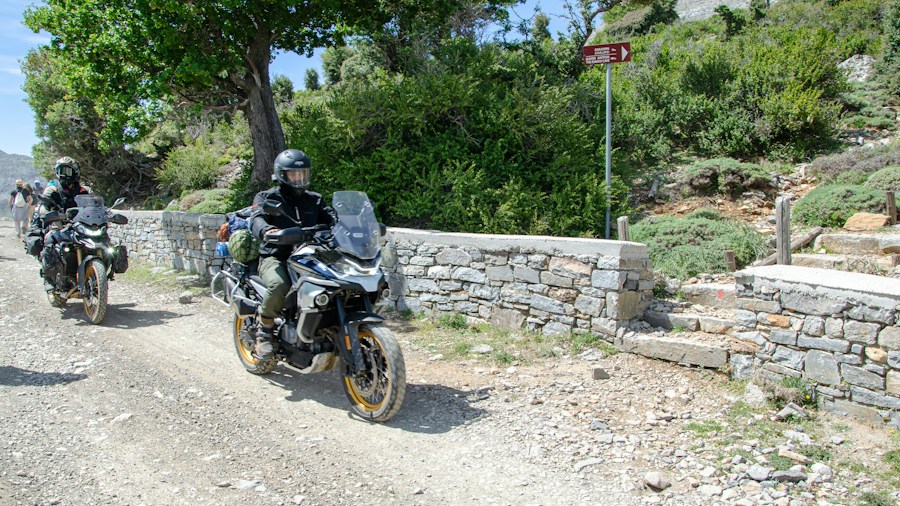
The standard Vinster sits low with a 32.7-inch seat height and tips the scales at 430 pounds, making it accessible to a broad range of riders. The Vinster X adds more rugged capability with a 19-inch front wheel, handguards, a protective skid plate, luggage mounts, and a taller windscreen. These additions bring it closer to adventure-sport territory while maintaining roadster DNA. The X version weighs just 11 pounds more at 441 pounds, so the extra features don’t significantly impact handling or performance.
If you’re evaluating middleweight options, understanding collector motorcycle market trends can help you make informed purchase decisions that consider long-term value. The variety between standard and adventure configurations gives shoppers genuine choice, something increasingly rare in the current market.
What Remains Uncertain
Several critical questions surround these machines before they represent a viable option for US buyers. Pricing and official American availability have not been confirmed, leaving uncertainty about whether these bikes will ever reach local dealerships. Equally important are unanswered questions about refinement, reliability, and long-term ownership costs. Benda, while growing in prominence globally, lacks the service infrastructure and long-term track record of established Japanese and European manufacturers.
Build quality and durability matter when you’re investing in a motorcycle you plan to ride for years. While the feature list looks impressive, real-world performance and owner satisfaction data will ultimately determine whether the Vinster represents genuine innovation or merely novelty.
What This Signals About the Market
The bigger picture here involves what manufacturers believe riders actually want. Alternative powertrains and new manufacturers are gradually reshaping buyer expectations and showing that established formulas can be challenged successfully. Benda’s willingness to invest in V-twin engineering when parallel twins offer lower costs and simpler production suggests confidence that enthusiasts value distinctiveness.
The middleweight roadster category genuinely benefits from having options that deviate from established templates. Whether the Vinster succeeds commercially or not, its existence proves that someone is still willing to build motorcycles designed to feel different rather than simply functional.











Write Your Review
No reviews yet. Be the first to share your experience!