

For nearly three decades, one of the automotive industry’s best-kept secrets sat in BMW’s vault: a fully functional M7 prototype built in the 1990s that never made it to production. Now, BMW Classic has finally unveiled this hidden gem, giving enthusiasts and shoppers a glimpse into what the ultimate performance-oriented 7 Series could have been.
The Hidden Performance Machine
This prototype started as a standard E38-generation 740i luxury sedan but received a complete mechanical transformation. BMW engineers extracted the naturally aspirated V8 engine and six-speed manual transmission directly from the E39 M5, creating a rare combination that would be virtually impossible in today’s flagship vehicles.
The powerplant was the S62, a 4.9-liter naturally aspirated V8 delivering 394 horsepower at 6,600 rpm. All of that power flowed through a manual transmission to the rear wheels, giving the massive sedan what BMW engineers clearly intended as an engaging, driver-focused experience. The prototype achieved a top speed of 155 mph, electronically limited to match the E39 M5’s capability, despite carrying nearly 4,100 pounds.
Subtlety Over Drama
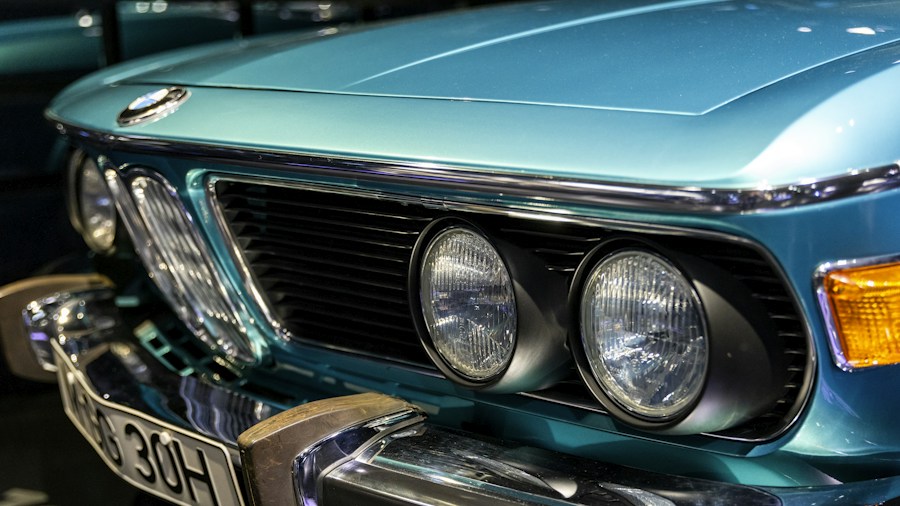
What makes this prototype particularly interesting is how restrained its exterior design remains. Unlike modern M-badged vehicles that announce their performance credentials through aggressive styling, this E38 M7 looks almost ordinary at first glance. There are no oversized air intakes, sculpted bumpers, or prominent M badging screaming about the machinery underneath.
Close inspection reveals the tells: dark cross-spoke BBS wheels and a quad-exhaust setup with dual outlets on each side of the rear bumper. The car maintained the understated elegance that made the E38 one of the most beautiful sedans ever designed. This design philosophy extended throughout the cabin, where black and beige leather created a sophisticated two-tone interior, an M-tuned steering wheel hinted at the car’s true nature, and the manual gear shifter confirmed what astute buyers would immediately recognize. A curious period detail in the rear: a telephone handset mounted in the center console, a feature that captures the late-1990s aesthetic perfectly.
Why Production Never Happened
BMW has remained quiet about why this prototype never evolved into a production model, but the reasoning becomes apparent when examining the market landscape of that era. The 750i already occupied the flagship position in the regular 7 Series lineup, powered by an impressive V12 engine. Simultaneously, the E39 M5 offered essentially identical V8 performance in a lighter, smaller, and almost certainly less expensive package.
The business case likely didn’t justify tooling up for production. Why would BMW customers spend extra money for a larger, heavier sedan delivering the same engine and transmission setup available in a smaller, nimbler vehicle? Despite these practical concerns, BMW continues exploring ambitious performance concepts, suggesting the company never entirely abandoned its engineering ambitions.
What This Means for Shoppers Today
This hidden prototype reveals something important about BMW’s engineering culture: the company has consistently explored possibilities beyond what reaches the showroom. While private enthusiasts have subsequently built their own E38s with E39 M5 powerplants and manual gearboxes, this factory-built example carries an entirely different level of credibility and historical significance.
For today’s BMW buyers considering a performance 7 Series, this discovery underscores how the brand’s approach to flagship performance has evolved. BMW’s experimental approach to vehicle development demonstrates the engineering resources dedicated to exploring performance possibilities, even when those experiments never reach customers.
Interestingly, this M7 prototype wasn’t even BMW’s most ambitious 7 Series experiment. In the late 1980s, BMW engineers squeezed a 6.7-liter V16 engine into an E32 7 Series, creating the so-called Goldfish prototype with an audacious 402 horsepower. A second V16 variant followed in 1990, generating 348 horsepower in a more conventionally styled body. Both projects ultimately fell victim to economic realities and emissions regulations, though they demonstrated BMW’s willingness to pursue bold engineering ideas.
The Takeaway
The revelation of this secret M7 prototype serves as a reminder that automakers regularly pursue ambitious projects that never reach production. For shoppers interested in BMW’s performance credentials and heritage, this discovery adds another chapter to the brand’s fascinating engineering story. It shows that before emissions regulations and market constraints reshaped the industry, BMW’s engineers had some wonderfully ambitious ideas about what a flagship performance sedan could achieve. Today’s BMW owners benefit from decades of such experimental development, even if they never see most of these prototypes on the road.








Write Your Review
No reviews yet. Be the first to share your experience!