

A Major Shift in SUV Safety Equipment: Factory Bull Bars Make a Comeback
Mitsubishi has just released the redesigned Pajero in Australia, and it comes with a surprising feature that disappeared from the American market two decades ago: an optional factory-installed bull bar. This heavy-duty steel bumper, offered directly from Mitsubishi’s accessory catalog, signals a major difference in how manufacturers approach vehicle safety and practicality across different regions.
What Makes Bull Bars Necessary Down Under
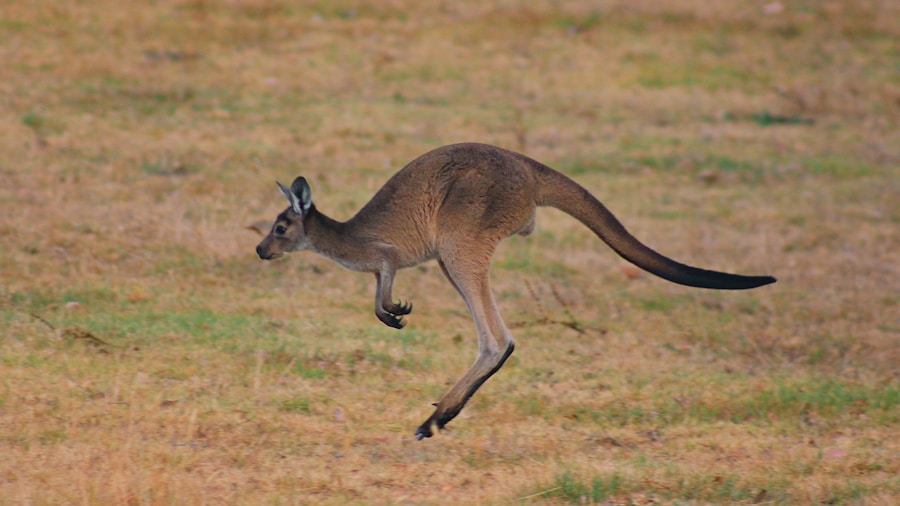
The appearance of these aggressive bumpers on a modern SUV might seem incongruous to American shoppers accustomed to sleek, aerodynamic designs. However, in Australia, they serve a critical practical purpose. The continent spans roughly the same landmass as the contiguous United States but with only about 10 percent of the population. This density disparity means wildlife encounters on roads are far more frequent and severe.
Kangaroos and emus pose genuine hazards to vehicles traveling remote highways, particularly in the outback regions. These animals vary dramatically in size and unpredictability, creating collision risks that justify prioritizing protective bumper technology. In Australian conditions, a bull bar is less of an aesthetic choice and more of a necessity-driven accessory, much like how off-road explorers select specialized equipment for challenging terrain.
Why America Abandoned the Bull Bar Trend
North American vehicles once featured similar protective bumpers, but regulatory priorities shifted dramatically over the past two decades. Modern pedestrian safety standards and the proliferation of vehicle sensors created engineering conflicts with prominent front bumpers. Federal safety regulations now emphasize protecting pedestrians in collision scenarios, which means forward-protruding structures like bull bars became incompatible with American market requirements.
Australia’s regulatory environment prioritizes different concerns. While Australian traffic laws are actually stricter than those in the United States, with lower blood alcohol limits, more rigorous driver licensing requirements, and stricter speed enforcement, wildlife management remains the dominant safety consideration. The legal framework accommodates protective bumpers because the practical benefits in kangaroo country outweigh pedestrian collision concerns in areas with sparse population density.
Factory Accessories Transform Vehicle Capability
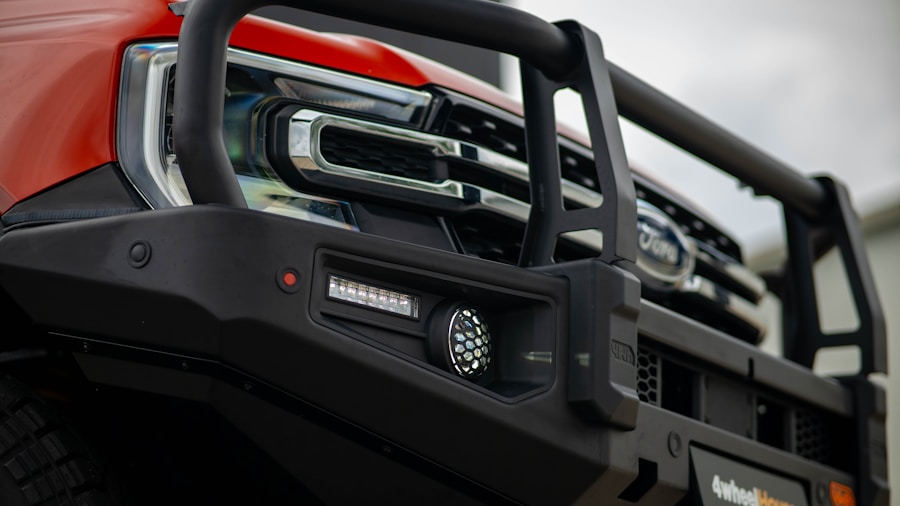
The new Pajero’s accessory lineup extends beyond the bull bar. Mitsubishi’s catalog includes snorkel and skid plate options, all engineered specifically for Australian driving conditions. These components arrive as genuine OEM parts rather than aftermarket additions, ensuring seamless integration with the vehicle’s design and electronics. This factory approach to customization has precedent: Toyota offers similar protective packages for the Land Cruiser 300 Series in Australia, and the classic 70 Series continues selling with comparable rugged options.
For drivers considering truck and off-road purchases, the availability of factory-backed protective equipment represents a meaningful advantage. Much like innovations in hybrid powertrain technology for SUVs, factory accessories reduce installation complexity and warranty complications compared to third-party aftermarket solutions.
What This Means for Global Vehicle Shoppers
The reappearance of bull bars on mainstream SUVs highlights how regulatory environments and geographic conditions shape product design decisions. Vehicles sold internationally often feature region-specific customization options that reflect local driving realities. American consumers shopping for off-road capable vehicles should understand that similar protective equipment remains technically feasible and available in other markets, even if domestic regulations discourage their integration here.
For those planning international travel or researching global vehicle markets, the Pajero’s Australian configuration offers insights into how manufacturers balance multiple safety priorities. While pedestrian protection remains paramount in American urban and suburban environments, animal-strike preparedness dominates in sparsely populated regions with higher wildlife density.
The bull bar’s return to the manufacturer’s accessory catalog isn’t a story about relaxed safety standards abroad. Rather, it demonstrates how objective environmental factors dictate practical engineering solutions. In the Australian outback, where drivers might encounter more kangaroos than traffic lights across hundreds of miles of travel, a protective front bumper represents a genuinely sensible investment in vehicle durability and occupant safety. Whether such options will ever return to American-market vehicles remains unlikely given current regulatory trajectories, but their persistence in markets like Australia reminds buyers that vehicle design reflects regional needs as much as global trends. Shoppers interested in maximum customization options should consider how international variants sometimes offer capability features unavailable domestically, and keeping an eye on what global manufacturers offer reveals emerging trends in off-road vehicle engineering and protection technology.











Write Your Review
No reviews yet. Be the first to share your experience!