

The camshaft market is undergoing a significant shift. Where engine builders once flipped through catalogs to find a standard grind that fit basic specs, today’s more complex engine combinations are pushing manufacturers toward custom solutions tailored to individual builds. This evolution means shoppers now have access to more precise options, but also need to understand what’s driving these changes and how to select the right camshaft for their specific application.
Why One Size No Longer Fits All
Modern engines are becoming increasingly specialized. The same basic engine platform can be naturally aspirated, turbocharged, supercharged, or run on nitrous, and each configuration demands a fundamentally different valve timing approach. Industry experts point out that advances in engine control systems, data acquisition, and simulation software have made it possible to design camshafts around what an engine actually needs rather than simply maximizing peak horsepower.
This represents a major philosophical shift in how manufacturers approach valvetrain development. Instead of designing primarily around camshaft lobe specifications, engineers now focus on what happens at the valve itself. This system-level thinking means better performance outcomes across a wider range of driving conditions and power delivery styles.
Manufacturing technology and material advances have also accelerated this trend. Modern tool-steel cores like S7 offer greater strength and can be produced more efficiently than traditional materials, enabling faster turnaround times. Some manufacturers can now go from phone call to finished, heat-treated camshaft in approximately three days, compared to weeks for traditional designs requiring multiple outsourced processes.
Faster Turnaround and Custom Availability
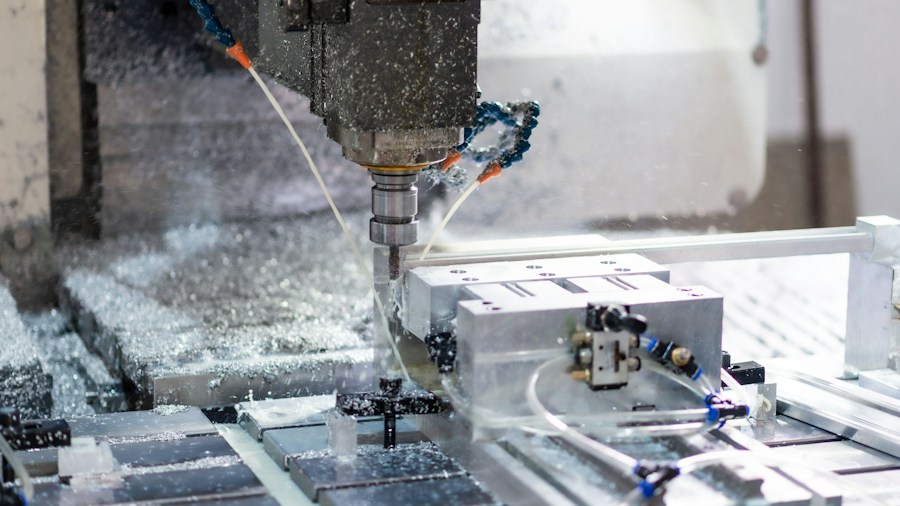
One of the most significant changes for buyers is the ability to order a custom camshaft ground specifically for your application and receive it within a week. While off-the-shelf grinds still work for many late-model applications, changing factors like intake runner lengths, adding power adders, or increasing displacement through stroking makes custom solutions more practical than ever. Rather than searching through a catalog with thousands of marginal options, builders can now specify exactly what they need.
Modern fuel injection systems have also removed a major barrier to performance camshaft adoption. Ten to fifteen years ago, tuning EFI engines with aggressive cams was a specialized skill. Today’s self-learning engine control units can accommodate more aggressive profiles and automatically map fuel delivery correctly, even if the installer lacks deep tuning expertise. This democratization means shoppers no longer need professional tuning knowledge to run high-performance camshaft combinations.
What Information You Need to Provide
Getting the right camshaft requires detailed information about your complete setup. Manufacturers will ask about engine displacement, intended RPM range, cylinder head selection, and vehicle application as starting points. But the real specification work requires knowledge of valvetrain component weights, pushrod dimensions, rocker arm ratios, material composition, and spring package details.
Two engines that look virtually identical on paper can require completely different camshafts. A turbocharged engine built for a daily driver streetcar with a tight converter, air conditioning, and power brakes needs very different valve timing than the same engine displacement and turbo size in a drag racing application with a transbrake running higher boost levels. The difference lies in intended power delivery, RPM ceiling, and how exhaust backpressure affects valve overlap timing.
When selecting a camshaft, particularly for specialized racing applications, consider pairing it with validated component systems. Manufacturers expanding their camshaft catalogs increasingly recommend specific rocker arms, valve springs, retainers, and pushrod specifications that have been tested together through Spintron testing. This systems approach prevents premature valvetrain failure in high-performance builds.
Common Mistakes to Avoid
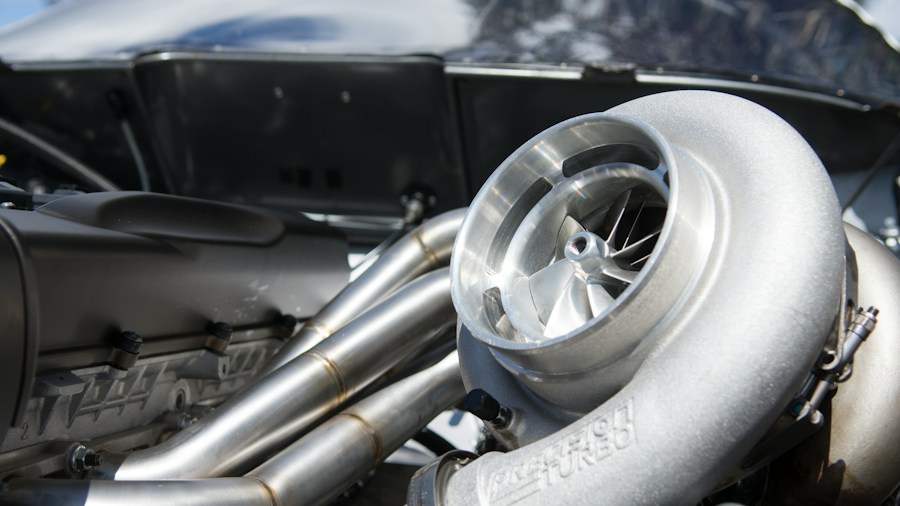
Engine builders frequently make the mistake of focusing too heavily on aggressive lobe profiles to maximize area under the curve. The camshaft alone cannot compensate for an engine combination that won’t support your desired RPM range or power level. A stock small-block Chevy cannot be transformed into a 10,000-RPM powerhouse simply by installing an aggressive cam.
Many builders also specify lobe separation angle (LSA) without considering duration and valve timing events equally. LSA is only one part of the equation. Duration, centerline position, and actual valve opening and closing points matter more than LSA alone. Understanding how aggressive idle characteristics correlate with power delivery helps buyers make informed choices about profile aggressiveness.
Additionally, oversizing duration creates problems. Being five degrees short on duration typically produces better results than being five degrees large. An overly aggressive camshaft creates unnecessary stress throughout your valvetrain components and can cause stability issues before reaching intended RPM limits. Instead, focus on optimizing your intake system, cylinder head flow, and manifold design. These factors set your engine’s RPM band far more than camshaft selection does.
Looking Forward
As racing classes and enthusiast segments continue to specialize, camshaft development will follow suit. The industry is moving toward detailed analysis combining traditional cam design with comprehensive valvetrain evaluation, including velocity, acceleration, and frequency content data from advanced testing. The long-term goal involves predicting valvetrain stability through software simulation, verifying results through specialized testing equipment, and validating performance on the dyno.
For buyers, this means access to more precisely engineered solutions tailored to your specific combination. The camshaft is transitioning from an isolated component to one element within a complete, tested system. Understanding how fuel delivery systems integrate with cam timing helps ensure you build a harmonious engine package rather than piecing together mismatched components. Provide detailed application information, avoid oversizing duration, and focus on optimizing your complete engine combination rather than relying solely on an aggressive camshaft to deliver performance.











Write Your Review
No reviews yet. Be the first to share your experience!