

A Legendary Engine Gets New Life
The Dodge Viper may be retired from Stellantis production, but its legendary 8.0-liter V10 engine is experiencing an unexpected resurrection. Bristol Cars, a small British automaker with decades of history, has announced plans to complete five remaining chassis using the iconic Viper powerplant. This development marks a significant moment for enthusiasts and collectors who thought the V10 era had ended forever.
Bristol Cars and Its Historic Connection
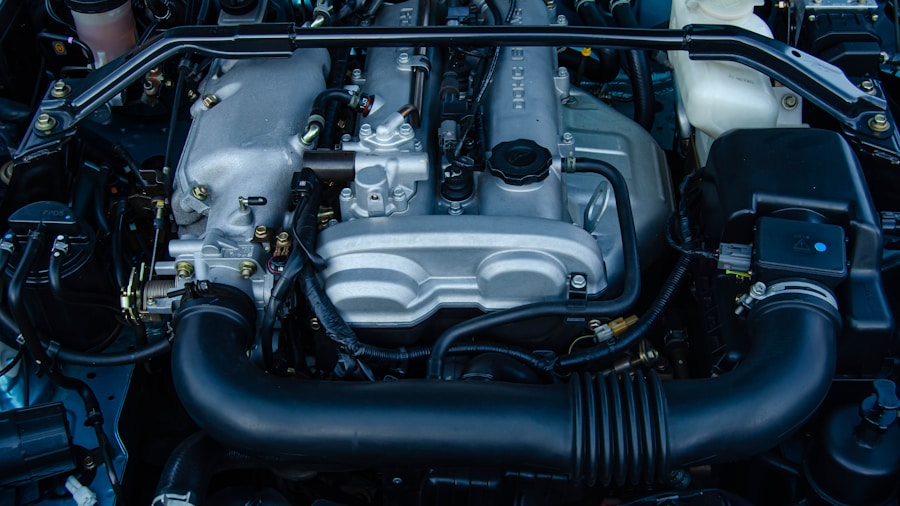
Bristol Cars was established in 1945 from the remnants of AFN Limited, which had previously served as a BMW importer and the automotive division of the Bristol Aeroplane Company. The manufacturer spent its early decades building performance coupes powered by BMW inline-six engines before transitioning to American V8s in the 1960s. When Bristol decided to pursue a more radical design, it introduced the Fighter in 2003, a compact supercar designed around the Viper V10 engine. This vehicle represented Bristol’s final production effort before manufacturing ceased in 2011.
Despite the company’s shutdown, five Fighter chassis remained incomplete in storage. Now, under new leadership through Bristol Cars Group Ltd., the company is finishing assembly of these vehicles as part of a broader revival strategy. The first completed car was recently unveiled at a major automotive event in the United Kingdom, coinciding with Bristol’s 80th anniversary celebration.
Performance Specifications and What They Mean
The Fighter delivers impressive numbers that remain competitive even by modern standards. The base Viper V10 configuration produces 525 horsepower, with an optional 600-horsepower tune available for buyers seeking maximum performance. Bristol claims a top speed of 210 mph for these vehicles, making them among the fastest production cars from their era. For those interested in modern power levels, the company plans to produce a turbocharged variant called the Fighter T, which is claimed to generate 1,012 horsepower.
What makes this particularly significant is the rarity of remaining V10 engines in new production vehicles. As other manufacturers explore turbocharged alternatives, the Bristol Fighter represents one of the last opportunities to purchase a new car with this engine configuration.
Availability and Regulations
Bristol anticipates that these newly completed vehicles will qualify for Show or Display import status in the United States. This designation allows owners to bring vehicles into the country and drive them up to 2,500 miles annually until the cars reach 25 years of age. For collectors seeking rare, limited-production supercars with historical significance, this option opens possibilities that would otherwise be unavailable.
During the Fighter’s original eight-year production run spanning the early 2000s, only approximately 15 vehicles were completed, making them exceptionally scarce. The completion of the five remaining chassis will increase the total number of Fighters in existence, though the global population will remain extraordinarily limited.
Historical Context and Industry Implications
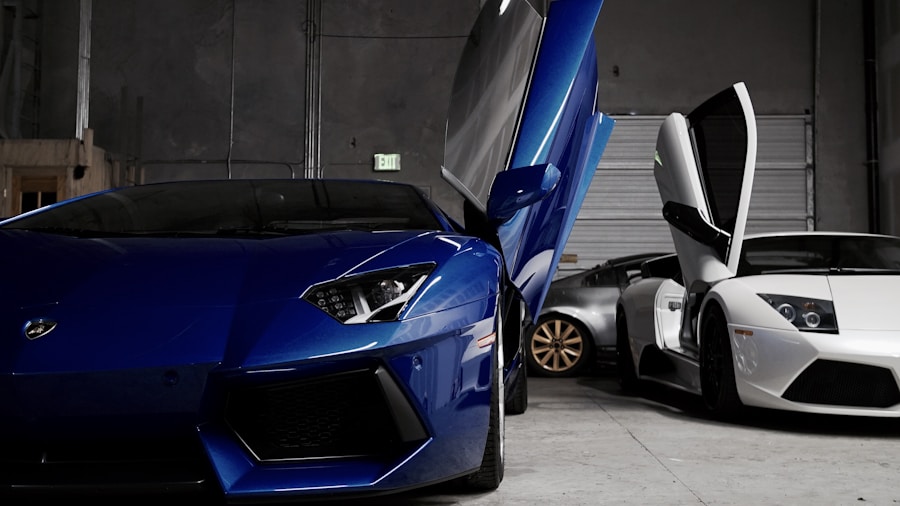
Bristol Cars occupies a unique position in automotive history. The company successfully transitioned from using BMW engines to Chrysler V8s, a change that worked well for over 40 years. AC Cars, which had also relied on Bristol engines, eventually partnered with Carroll Shelby to create the iconic Cobra. This lineage demonstrates how decisions made by small British manufacturers influenced the broader performance car landscape.
The Viper V10’s journey from Dodge to Bristol Cars represents an unusual second life for an engine typically associated with American muscle cars. As the automotive industry continues evolving, opportunities to own new vehicles with naturally aspirated V10 engines are becoming increasingly rare. Lamborghini has already discontinued its V10 offerings, and no other manufacturer currently plans to produce new V10 engines in limited quantities.
What This Means for Collectors and Enthusiasts
The completion of these Bristol Fighter models presents a remarkable opportunity. Buyers interested in owning a piece of automotive history with modern reliability considerations face a limited window. These vehicles combine British craftsmanship with proven American V10 performance, creating a distinct alternative to more conventional supercars.
Bristol Cars Group Ltd. has signaled interest in expanding production and introducing new models, though specific timelines remain unclear. The company’s willingness to invest in completing decades-old inventory suggests confidence in market interest for exclusive, V10-powered performance vehicles. For those seeking something truly distinctive from mainstream automotive offerings, exploring unique performance alternatives has never been more important as manufacturers increasingly adopt electrification and turbocharging strategies.
The return of the Viper V10 in Bristol Cars’ Fighter represents more than nostalgia; it signals that demand exists for unconventional, limited-production supercars with heritage and character. As the window for acquiring new V10 vehicles narrows, these completed Bristol Fighters will likely become increasingly valuable to collectors worldwide.











Write Your Review
No reviews yet. Be the first to share your experience!