

A high-speed incident at a major drag racing venue this past weekend serves as a stark reminder of how critical pre-race inspection and maintenance practices truly are. During a competitive run at a Florida motorsports park, a modified Mustang drag car experienced catastrophic damage after a tool left in the engine bay became a dangerous projectile at over 200 miles per hour.
How the Accident Unfolded
The driver, Brett LaSala, was operating “Snot Rocket,” a high-performance green Mustang, during his qualifying pass. Just before crossing the finish line traps, approximately 200 feet from the end of the track, a wrench or breaker bar that had been left under the hood during pre-run preparation fell from the engine bay. The tool then struck the pavement and was sucked underneath the vehicle, where it collided with the left rear wheel and tire assembly.
The impact was tremendous. The entire left-rear quarter panel of the car, including the wheel, bodywork, and door latch, disintegrated from the force of the collision. Despite the catastrophic damage occurring at extreme velocity, LaSala demonstrated exceptional skill by maintaining control of the vehicle and steering clear of the safety walls. His quick reactions prevented a potentially life-threatening crash and kept the damage localized to the rear and front bumper areas.
Remarkably, the vehicle still registered a speed of over 212 miles per hour when the incident occurred, showcasing just how powerful these machines are and how dangerous foreign objects become at such extreme speeds.
What This Means for Vehicle Owners
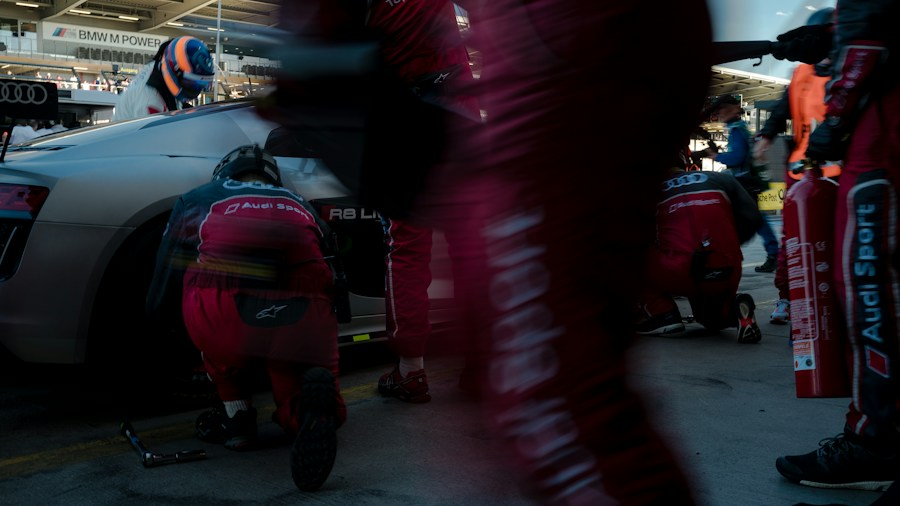
This incident highlights a universal truth in automotive maintenance and preparation: thoroughness saves lives and prevents costly damage. Whether you own a casual weekend project car or a professional racing machine, neglecting proper pre-operation checklists can result in disaster. Before any high-performance driving event or even routine vehicle operation, conducting a comprehensive engine bay inspection is non-negotiable.
For everyday car owners, the lesson extends beyond the track. Mechanics and DIY enthusiasts should always confirm that all tools have been removed from an engine bay before closing the hood. A forgotten wrench can rattle loose during normal driving, potentially lodging in critical components like belts, hoses, or suspension parts. Depending on where it lands, it could damage expensive engine internals or trigger safety hazards.
Professional shops and race teams use detailed checklists and multiple verification steps to prevent exactly this type of error. Some teams assign different personnel to double-check that no foreign objects remain in the vehicle before it operates. Proper engine bay cleaning tools like air blowers also help ensure debris and loose objects are spotted during inspections. Additionally, keeping your engine bay organized with dedicated tool storage and steam cleaners or handheld pressure equipment can make pre-drive inspections faster and more reliable.
The Team’s Response and Moving Forward
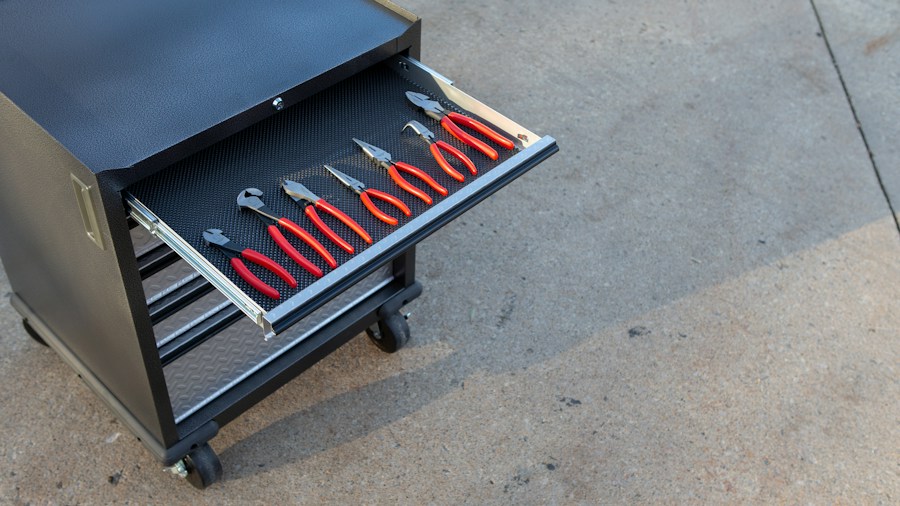
The positive outcome of this story centers on the driver’s composure and the team’s accountability. LaSala exited the vehicle unharmed immediately after the incident. Team leadership acknowledged that a tool was the likely cause but emphasized team unity rather than assigning blame. The focus quickly shifted to repair and recovery.
Even more impressively, just before this incident, LaSala had set a stick shift class record with an incredible 5.458-second pass at 233.44 miles per hour, demonstrating his skill and the car’s potential. The team has approximately one month to repair the vehicle before the next major racing event, and they appear fully committed to returning to competition.
Practical Takeaways for Consumers
This event underscores several important best practices for anyone working on vehicles: Always maintain a clean and organized engine bay. Create a pre-operation checklist and verify completion before starting the vehicle. Never rely on memory alone to confirm tool removal. Assign accountability to multiple team members when possible. Invest in quality tools with secure storage solutions within your garage or workshop.
Whether you are maintaining a family sedan, restoring a classic car, or competing at a professional level, the fundamentals of safety and organization remain the same. A small oversight can cascade into expensive repairs or worse. By adopting the discipline and attention to detail that professional racing teams employ, everyday vehicle owners can protect their investments and ensure safe operation every time they drive.








Write Your Review
No reviews yet. Be the first to share your experience!