

Understanding the F-150 3.5 EcoBoost Before You Buy
The twin-turbo 3.5-liter EcoBoost V6 has powered the F-150 since 2011 and remains one of Ford’s most capable truck engines. It delivers impressive torque and towing capacity, making it a popular choice among buyers looking for performance without the fuel economy penalty of larger V8s. However, like any turbocharged engine with substantial history, certain generation-specific issues deserve your attention before committing to a purchase.
Whether you are shopping for a used truck or already own one, knowing what problems to watch for and how to maintain the engine properly will help you avoid costly repairs and enjoy years of reliable service. Here are five practical tips to guide your decision and keep your 3.5 EcoBoost running strong.
Tip 1: Inspect the Intercooler and Ask About Service History on 2011-2016 Models
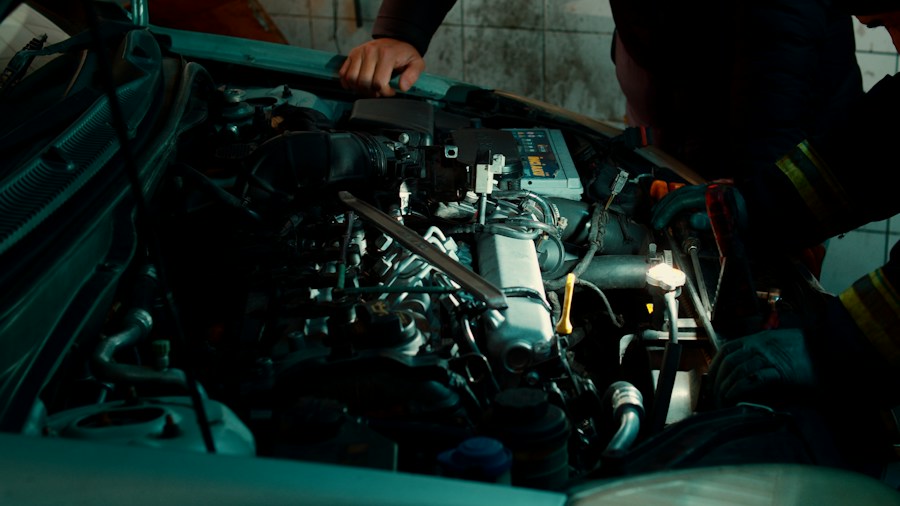
Early F-150s equipped with the 3.5 EcoBoost, particularly 2011 through 2016 trucks, are prone to intercooler condensation problems. In humid climates, moisture can accumulate inside the intercooler. When you accelerate hard, the engine may draw in this water, causing stumbling and misfires that affect up to three cylinders at once. Ford addressed this with a service bulletin that repositioned an air deflector and updated engine software.
Before purchasing or accepting delivery of an older model, confirm that both the intercooler deflector repositioning and the latest engine software have been installed. Request documentation from the seller or dealer proving these updates were completed. If they have not been done, budget for this service or negotiate a lower price to account for the repair.
Tip 2: Listen for Timing Chain Rattle During Cold Starts
Some first-generation 3.5 EcoBoost engines experience timing chain stretch, which shows up as a distinctive rattle during the first few seconds after a cold start. This noise may be accompanied by cam or crankshaft correlation codes if you scan the vehicle. Since the 3.5 EcoBoost is an interference engine, a timing chain that jumps even one tooth can cause severe internal damage requiring full engine replacement.
Always perform your test drive early in the morning or after the truck has sat for several hours. Start it cold, keep the engine running, and listen carefully for any rattling or clattering sounds. Have a diagnostic scan performed by a qualified technician to check for any stored or pending timing codes. If you hear a rattle or see timing-related codes, walk away unless comprehensive documentation shows the chain has been replaced.
Tip 3: Check for Cam Phaser Issues on 2017-2020 Trucks
The 2017-2020 generation introduced an updated engine design that unfortunately brought a different problem: cam phaser rattle at cold start. After the truck sits overnight or for several hours, you may hear a loud clatter or rattling sound for a few seconds immediately after starting. This noise comes from the cam phaser mechanism and typically quiets down once the engine warms.
Ford issued a Customer Satisfaction Program (21N03) to replace faulty cam phasers on affected 2017-2020 F-150s, but that warranty coverage expired on January 1, 2023. Ask the seller whether the cam phasers were replaced under this program and request proof of the work. If they were not replaced, factor in the cost of replacement before making an offer. Additionally, understanding all aspects of your F-150 ownership means staying informed about known mechanical issues.
Tip 4: Monitor Transmission Shifting and Transmission Service

Trucks from 2017-2020 with the 3.5 EcoBoost pair the engine with Ford’s 10-speed automatic transmission. Some owners report harsh or erratic shifting, particularly in stop-and-go driving. While a pending class action lawsuit has not yet established liability, this is a concern worth investigating during your test drive.
Take any used F-150 on a test drive that includes moderate city driving with several stops and starts. Pay attention to whether shifts feel smooth and predictable or abrupt and delayed. Harsh shifting may indicate transmission fluid that needs changing or early signs of internal wear. Ensure transmission fluid has been serviced on schedule according to Ford’s specifications.
Tip 5: Follow Proper Maintenance to Protect Your Investment
Regardless of which generation you own, turbocharged engines and timing chains demand disciplined maintenance. Change the oil on schedule using only the oil grade Ford specifies for your model year. Turbochargers and timing chain components place significant stress on engine oil, and skipping changes accelerates wear.
If you tow regularly, allow the engine to idle for 30 seconds to a minute after you finish before shutting it off. This brief cooldown period allows the turbochargers to cool gradually rather than accumulating residual heat when the engine stops. Finally, never ignore startup rattles or misfires. Addressing these issues quickly prevents secondary damage to catalytic converters and other emissions components, which can be far more expensive to repair.
Run the vehicle identification number through NHTSA’s official recall database and cross-reference it with a Ford dealer to confirm all applicable recalls and service bulletins have been completed. Staying current with F-150 updates and production news also helps you understand the broader context of your vehicle’s engineering and any recent improvements in newer model years.
By following these five tips, you will make a more informed purchase decision and keep your 3.5 EcoBoost F-150 running reliably for years to come.










Write Your Review
No reviews yet. Be the first to share your experience!