

Factory Harley-Davidson Exits Iconic Bagger Racing Series
Harley-Davidson has announced the end of its factory-backed racing team in the King of the Baggers series, marking a significant shift in the company’s motorsports strategy. After six years of direct involvement with the series it helped establish, the Milwaukee manufacturer is pivoting toward what leadership describes as a more globally focused racing approach. The decision comes as the company works to reposition itself in an increasingly competitive powersports market.
The move represents an evolution rather than a complete departure. While Harley-Davidson will no longer field its own factory team, the company stated it will continue supporting independent teams running Harley-Davidson motorcycles through parts, technical assistance, and other resources. This means riders and teams can still campaign Harley-Davidson baggers on the King of the Baggers grid, just without the Milwaukee factory banner.
What This Means for Performance and Competition

During its tenure as a factory competitor, Harley-Davidson captured three King of the Baggers championships. The series itself has proven to be intensely competitive, with Indian Motorcycle claiming this year’s title. Company leadership acknowledged the rivalry has elevated the entire category, with CEO Artie Starrs noting that such competition helped improve Harley-Davidson’s performance and made their victories more significant.
The shift reflects a broader strategic realignment. Instead of concentrating resources on the King of the Baggers series run through MotoAmerica, Harley-Davidson is redirecting investment toward the FIM Harley-Davidson Bagger World Cup. This single-make championship operates as a support series for select MotoGP weekends, placing Harley-Davidson motorcycles on some of the world’s biggest racing stages alongside premier international competitors.
Why the Strategic Pivot Matters for Consumers
The decision carries real implications for how Harley-Davidson develops and showcases its motorcycles. Economic pressures affecting the motorcycle industry have prompted manufacturers to prioritize spending where it reaches the widest global audience. MotoGP’s international broadcast reach dwarfs that of domestic racing series, exposing Harley-Davidson baggers to potential customers across multiple continents.
This reallocation also connects to Harley-Davidson’s broader company transformation under current leadership. The manufacturer has been executing a leaner operational model while emphasizing getting customers back to riding and expanding the dealer network. Racing budgets represent substantial investments, and redirecting those funds toward a more globally visible platform serves the company’s mission to reclaim market momentum and attract new riders.
The inaugural season of the FIM Harley-Davidson Bagger World Cup exceeded expectations, with five different race winners and competition extending through the final round. Director of Global Racing Programs Jeffrey Schuessler emphasized the series’ rapid growth and the strong response from teams, riders, partners, and the broader Harley-Davidson community. This foundation provides confidence that the new direction can deliver compelling racing while expanding brand awareness internationally.
Grassroots Racing and Future Opportunities
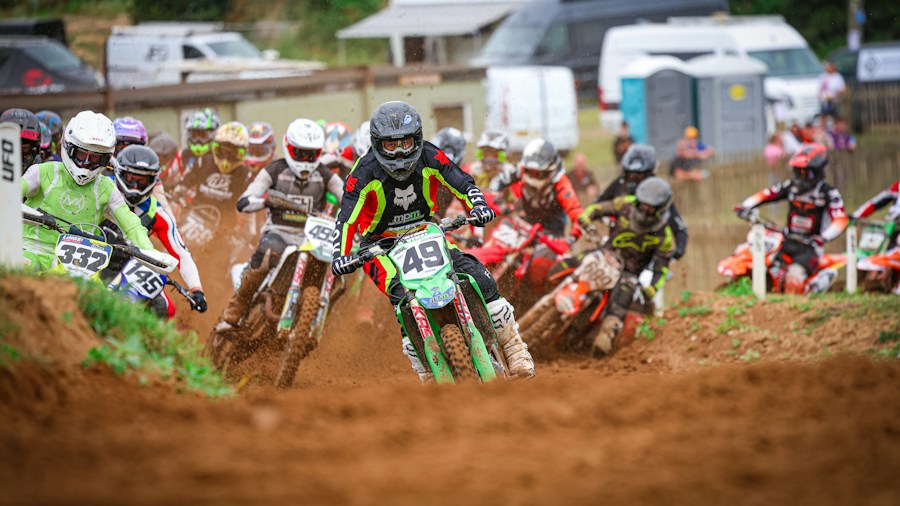
Harley-Davidson also signaled interest in developing grassroots racing programs aimed at riders across various skill levels and disciplines. While specific details remain limited, the company indicated plans to create accessible competition opportunities beyond professional racing circuits. This could range from dealership-sponsored events to local flat track and drag strip competitions.
For consumers, this potential expansion represents new pathways to participate in organized riding competition. Whether through dealer challenges, local track days, or regionally organized events, Harley-Davidson appears committed to building a racing culture that extends beyond professional factory teams. The company has demonstrated willingness to diversify its offerings in recent years to appeal to different customer segments and price points.
Looking Ahead
The departure from King of the Baggers as a factory competitor represents a calculated business decision aligned with Harley-Davidson’s strategic priorities. The company retains the option to return to the series if circumstances change, while continuing to support customer-owned Harley-Davidson motorcycles competing in it. Meanwhile, the focus on MotoGP-level visibility and grassroots development creates multiple pathways for the brand to engage riders and influence motorcycle design and performance.
For current and prospective Harley-Davidson owners, the implications are generally positive. Global exposure on MotoGP stages can accelerate development of bagger technology and performance features that eventually reach production motorcycles. At the same time, expanded grassroots programs create more opportunities for everyday riders to participate in organized competition. The decision essentially shifts Harley-Davidson’s racing priorities toward channels with greater long-term potential for brand building and customer engagement.











Write Your Review
No reviews yet. Be the first to share your experience!