

Honda’s Major Brazilian Investment Signals Growth and Supply Expansion
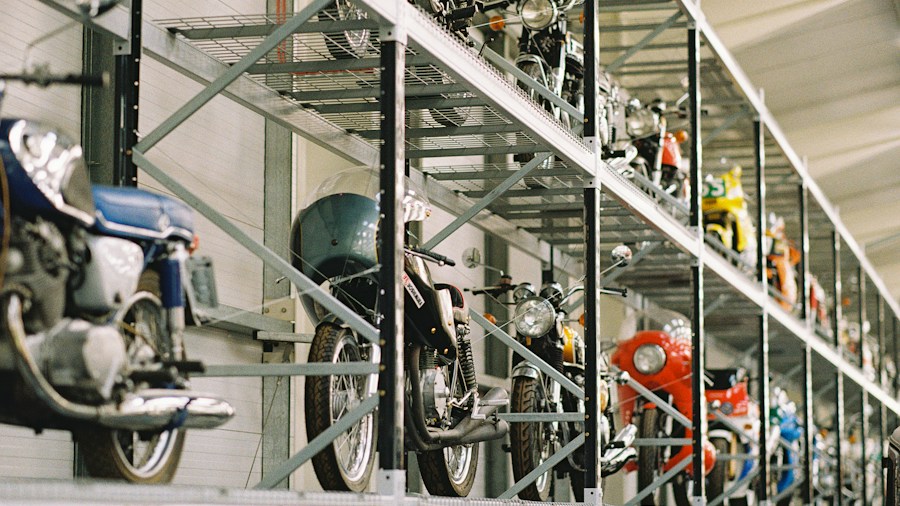
Honda has announced a significant capital injection into its Brazilian motorcycle operations, committing $598 million to production expansion between 2026 and 2030. This investment comes as the Japanese manufacturer marks five decades of motorcycle manufacturing in Brazil, underscoring its confidence in the region’s market potential and its commitment to meeting growing consumer demand across multiple markets.
A Half-Century of Production Success
The Manaus facility in Amazonas state has been Honda’s Brazilian motorcycle hub for 50 years, accumulating an impressive track record. Over this period, the plant has manufactured more than 33 million motorcycles across various engine sizes and models. Today, the factory operates as a high-efficiency manufacturing center, producing approximately 7,200 motorcycles daily across 20 different models ranging from 110cc entry-level bikes to 1,100cc machines.
What makes this facility particularly noteworthy is its vertical integration. Honda describes it as the most vertically integrated motorcycle production facility within its global network, meaning the plant handles everything from component manufacturing through final assembly in-house. The operation also extends beyond Brazil’s borders, exporting motorcycles to 19 countries including the United States, Australia, and Mexico, making it a critical node in Honda’s worldwide distribution strategy.
Expansion Plans That Will Transform Production Capacity
The new investment cycle represents a doubling down on Brazil’s importance to Honda’s future. The company plans to construct two entirely new manufacturing plants within the existing complex, each equipped with dedicated assembly lines and supporting production infrastructure. Currently, the facility operates four assembly lines across two buildings, so this expansion will significantly increase output capacity.
By 2029, Honda aims to boost annual production capacity to 2.3 million motorcycles, a substantial increase that will help satisfy rising demand in both domestic and international markets. This expansion builds on a previous investment of $290 million announced the year before, demonstrating Honda’s sustained and escalating commitment to the region. For buyers, this expansion means improved availability of new models and potentially shorter wait times as production scales up to match market demand.
Economic and Employment Impact
Beyond manufacturing numbers, the expansion will create tangible economic benefits. Honda estimates the investment will generate 2,000 new jobs at the Manaus facility, growing its direct workforce from the current 9,200 employees. This job creation speaks to how major manufacturing expansions ripple through local communities and support broader economic development in the region.
The timing of this announcement also reflects broader industry trends. Motorcycle markets in Latin America have shown resilience and growth, with consumers seeking affordable, reliable transportation solutions. New manufacturers are entering the market with innovative technologies, creating competitive pressure that makes Honda’s aggressive expansion strategy a smart business move to maintain market leadership.
What This Means for American Buyers
While the Manaus facility primarily serves Brazilian and Latin American markets, its expanded capacity has implications for U.S. consumers. Since the plant exports to the United States among other countries, increased production efficiency and capacity will likely improve availability of certain Honda motorcycle models in the American market. The technological improvements and modernized manufacturing processes implemented during this expansion could also influence product quality and innovation across Honda’s global lineup.
The electric and technology-forward direction of the motorcycle industry is also worth noting. As new electric motorcycle platforms emerge from various manufacturers, traditional combustion engine producers like Honda are simultaneously investing heavily in conventional production while developing next-generation powertrains. This expansion ensures Honda maintains its competitive footing in traditional markets while pursuing innovation.
Looking Ahead
Honda’s 50-year milestone in Brazil represents not just historical achievement but a springboard for future growth. The substantial capital commitment demonstrates corporate confidence in Brazil’s economic trajectory and consumer demand for motorcycles. As the motorcycle ecosystem evolves with new safety equipment and technologies, manufacturers like Honda continue investing in production infrastructure to support the complete riding experience.
For motorcycle enthusiasts and practical commuters alike, this expansion means Honda is positioning itself to deliver vehicles with consistency and availability. Whether you’re looking for an affordable commuter bike or a larger displacement touring machine, Honda’s commitment to Brazilian production suggests the company will continue offering competitive options backed by the manufacturing scale necessary to support demand.











Write Your Review
No reviews yet. Be the first to share your experience!