

A powerful 6.8-magnitude earthquake struck Japan’s Kumamoto region in July, forcing Honda to temporarily shut down its primary motorcycle manufacturing facility. The disruption raised concerns among riders and shoppers about motorcycle availability and supply chain delays. Now that repairs are complete, Honda has announced the resumption of full production, marking an important shift for the global two-wheeled market.
The Impact of the Earthquake
Honda’s Kumamoto plant in Kikuchi-gun stands as the manufacturer’s largest motorcycle production center globally. This facility produces roughly half of Honda’s entire motorcycle lineup, including iconic models such as the Gold Wing touring cruiser, the CRF1000L Africa Twin adventure bike, the CB1100 classic, the CBR1000RR sportbike, the Rebel 500 cruiser, the CBR250RR middleweight sportbike, and the Giorno and Tact scooter lines, as well as the legendary Super Cub series. When the earthquake hit with such intensity, it not only threatened the Kumamoto facility but also damaged a critical parts supplier in the region operated by Honda’s group company Astemo. This cascading effect forced Honda to halt operations at three separate plants across Japan, including factories in Saitama and Mie prefectures.
The earthquake killed 39 people in the Kumamoto area and caused significant structural damage to manufacturing infrastructure. Beyond Honda’s direct facilities, the supplier damage created a bottleneck in the parts procurement process, meaning even undamaged plants couldn’t continue operations without essential components. The company was forced to pause motorcycle manufacturing indefinitely while assessment and repair work began.
Timeline for Recovery
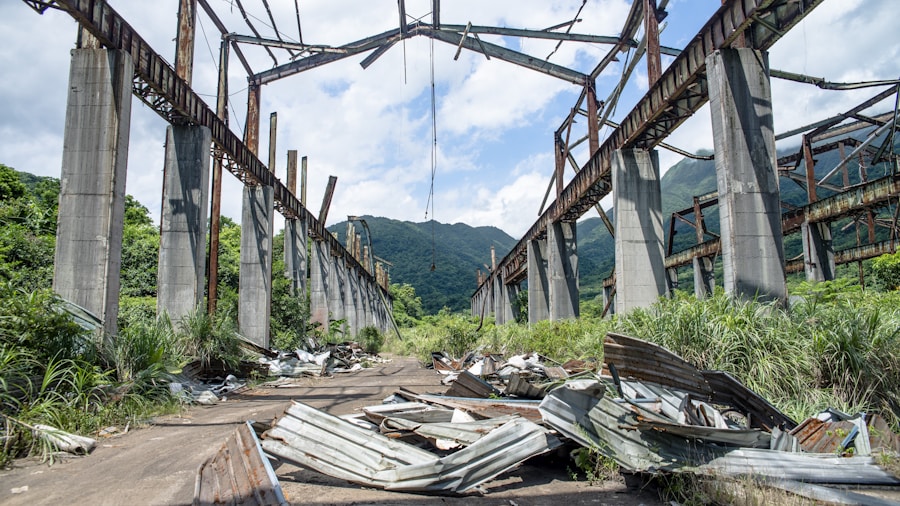
Honda announced that production would resume on August 24th following completion of construction and safety verification efforts at the Kumamoto facility. A Honda spokesperson confirmed the return to operations, stating that the company would prioritize employee safety and work cooperatively with all stakeholders to maintain stable product availability moving forward. The repairs also aligned with Honda’s scheduled summer shutdown, which gave the company a convenient window to conduct more extensive restoration work without further disrupting the global supply chain.
The affected parts supplier, Astemo, indicated that it would gradually bring operations back online, though complete restoration took longer than the primary assembly plant. This staggered recovery meant that full production capacity wouldn’t return instantly, but the trajectory was clear: Honda was committed to restoring manufacturing capabilities as quickly as safety allowed.
What This Means for Buyers
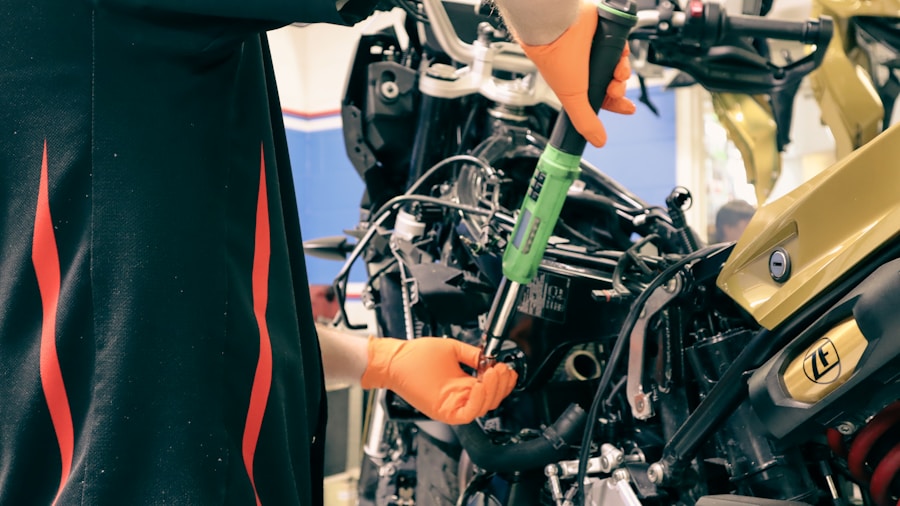
For motorcycle shoppers in the United States and worldwide, the restart of Kumamoto operations represents relief after months of potential supply constraints. Many popular Honda models may have faced extended waiting periods or limited availability during the production stoppage. With the plant back online, inventory levels should normalize over the coming weeks, and delivery times for new purchases should improve.
Riders considering additions to their garage should note that while production has resumed, some popular models may still experience temporary shortages as the facility ramps back up to full capacity. Those in the market for a Gold Wing, Africa Twin, Super Cub, or any other Kumamoto-produced machine should contact local dealers to confirm current availability and realistic delivery windows. Many dealerships may have backorders that will now begin fulfilling more consistently.
The restart also demonstrates the resilience of modern manufacturing supply chains. Despite a major natural disaster, Honda managed to recover and communicate transparently with customers about timelines. This kind of rapid recovery capability is important for riders who depend on motorcycle production for business purposes or personal transportation needs. Additionally, interest in motorcycle riding continues growing globally, particularly in emerging markets where government support for two-wheeled vehicles remains robust. The restoration of this major production facility ensures that Honda can meet that growing demand.
Looking Ahead
As the Kumamoto plant reaches full operational status, buyers should expect more competitive pricing and better model selection across Honda’s motorcycle portfolio. The company’s emphasis on employee safety during the recovery process also signals a commitment to maintaining production quality standards, which matters to consumers concerned about manufacturing consistency after disruption.
For those shopping for a new motorcycle in the coming months, the market conditions should improve noticeably. Whether you’re interested in cruisers, sportbikes, adventure bikes, or practical commuter models, Honda’s restored production capacity means your preferred motorcycle will likely be more accessible than it was during the post-earthquake recovery period.


Write Your Review
No reviews yet. Be the first to share your experience!