

The automotive world recently got a reminder that tire technology has come a long way. A Czech-built hypercar achieved a Spa-Francorchamps lap time that beat a long-standing performance benchmark, and the remarkable part: it did so using standard, road-legal tires with no special preparation.
The Praga Bohema completed a lap of the legendary Belgian circuit in 2 minutes 21.42 seconds during a customer track day event. That time surpassed the Pagani Huayra Roadster BC’s 2019 record of 2 minutes 23.081 seconds by more than 1.5 seconds. What makes this noteworthy for tire shoppers is that the Bohema ran on the same rubber it ships with to customers, sharing the track with other vehicles, without any track-specific modifications.
How Standard Tires Enabled Track Performance
The achievement highlights how modern tire engineering has narrowed the gap between road and track performance. For decades, drivers pursuing serious track times relied on dedicated racing slicks or high-end competition tires that would be unsuitable for daily driving. The Bohema’s accomplishment suggests that premium road tires can now deliver genuine track-capable performance.
The hypercar’s specifications help explain the result. Its 3.8-liter twin-turbo V6 engine produces 690 horsepower and 535 pound-feet of torque, while the car weighs under 2,200 pounds. That power-to-weight ratio is exceptional. The aerodynamic package generates 1,984 pounds of downforce at 155 miles per hour, which is critical for maintaining grip through Spa’s high-speed corners like Eau Rouge.
The tires, however, played an equal role. They had to manage enormous cornering forces while maintaining consistent grip across a variety of track conditions. Modern tire technology now incorporates advanced compound formulations and structural designs that allow road-legal tires to perform at levels previously reserved for competition-only products.
What This Means for Consumer Tire Choices
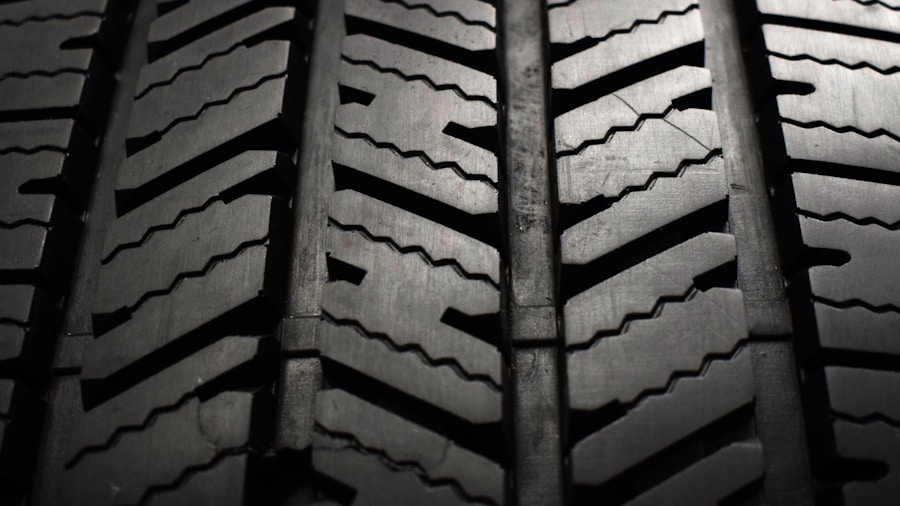
For shoppers evaluating tire purchases, this record carries practical implications. It demonstrates that investing in premium, high-performance road tires can deliver genuine capability gains, even in extreme conditions. You do not need racing tires to experience significant performance improvements on a circuit or during aggressive driving.
This trend reflects a broader shift in how tire manufacturers approach development. Rather than creating separate categories of road and track tires, leading producers now engineer road-legal options with performance characteristics that appeal to enthusiasts. Compounds resist heat buildup during sustained high speeds, sidewalls provide precise response through corners, and tread patterns balance wet-weather safety with dry grip.
The Bohema’s achievement also underscores the importance of tire quality when performance matters. A consumer hypercar that costs 1.28 million euros relies on tires as a core component of its engineering package. Manufacturers at that level do not compromise on rubber, knowing that tires are the only contact patch between the car and pavement.
Production Reality vs. Test Conditions
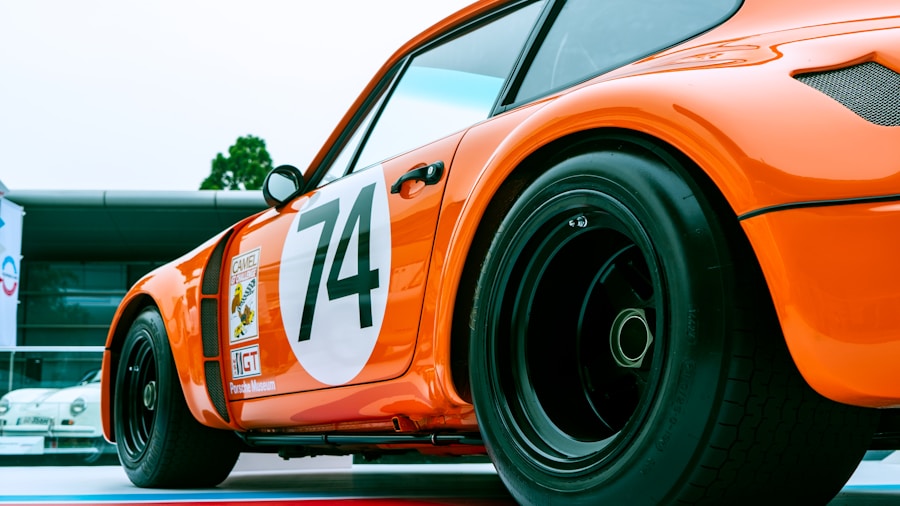
What distinguishes this record attempt is that the Bohema is not a one-off prototype. Praga plans to build 89 units, and customer cars are already in use on public roads and in rally events. Unlike many track records set by specially prepared vehicles in ideal conditions, this time was achieved by a production model running standard equipment during a customer event.
The development driver, Aleš Jirásek, was reportedly not even pursuing a record. He was sharing the track with paying customers and driving casually, as one would during a track day. The car received no special setup, preparation, or tire conditioning protocols. This context matters because it shows what a well-engineered vehicle can accomplish with everyday components.
It is worth noting that the time has not yet received independent official verification from the track, the car manufacturer, or the event organizer. Track days often occur with less formal documentation than sanctioned record attempts. However, if the time does stand up to review, it would represent a legitimate achievement for a production vehicle using standard tires.
Broader Industry Implications
This development reflects a competitive reality among boutique hypercar builders. Brands must prove performance through real-world results rather than specification sheets alone. As tire service becomes more sophisticated and specialized, manufacturers can partner with tire companies to engineer custom options that meet exacting requirements.
The record also signals that consumers should pay closer attention to tire selection when performance is a priority. Whether you drive a performance sedan or a supercar, the tires you choose influence how the vehicle actually behaves. Premium road tires designed for high-performance applications can transform everyday driving and occasional track experiences.
As manufacturers continue refining tire technology, expect more examples of road-legal tires delivering capabilities that were once exclusive to competition products. This record is not an anomaly but rather confirmation of where the industry is heading.










Write Your Review
No reviews yet. Be the first to share your experience!