

What Happened
A wave of independent repair facilities is now delivering services that were once exclusive to dealerships, thanks to advanced diagnostic equipment like Autel scan tools. Real shops are demonstrating how modern diagnostic technology enables technicians to perform full-system vehicle scans, identify complex electrical problems, program key components, and handle tire pressure monitoring system work all in-house rather than routing jobs to expensive dealership service centers.
This shift matters because it fundamentally changes where vehicle owners can get their cars serviced. Shops equipped with the right diagnostic tools can now tackle programming requirements, CAN bus troubleshooting, TPMS sensor work, and electronic brake service without sending vehicles away. The technology supports everything from viewing multiple data streams to capturing digital tire tread measurements and brake pad thickness, creating detailed electronic records for repair orders.
Why This Matters for Shoppers
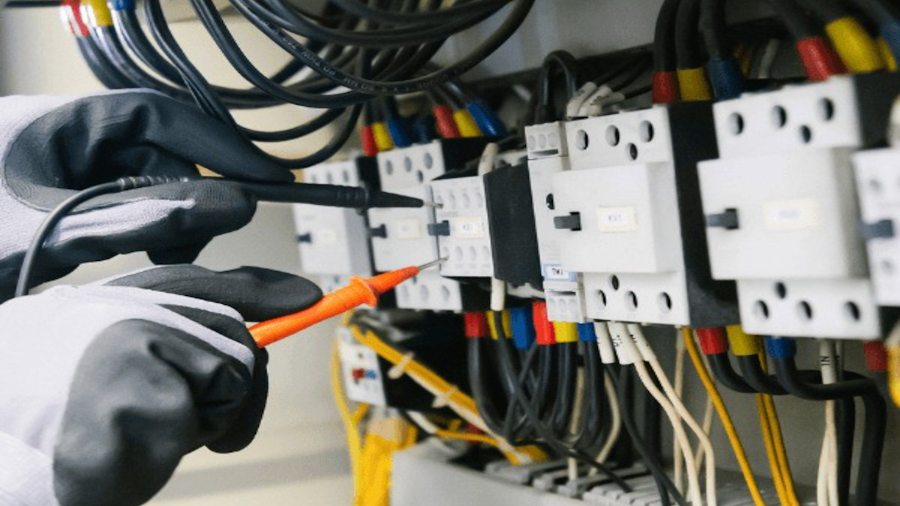
For consumers, this development translates into several immediate benefits. First, you have more options. You no longer need to schedule appointments weeks in advance at your local dealership for advanced diagnostic work or programming tasks. Independent repair shops equipped with this technology can often fit you in faster while charging significantly less than dealership rates.
Second, quality remains high. Autel diagnostic tools help technicians identify problems accurately and quickly by displaying multiple vehicle data points simultaneously. This means faster troubleshooting for complex electrical issues, particularly those involving the vehicle’s communication network. When technicians can diagnose problems correctly on the first attempt, you avoid unnecessary parts replacement and repeated visits.
Third, you get transparency. Digital inspection capabilities allow shops to photograph and electronically document tire conditions, brake wear, and other findings directly on your repair order. You can see exactly what needs attention and why, rather than relying solely on verbal explanations.
How Shops Are Using This Technology
Independent repair facilities are combining multiple Autel capabilities to work more efficiently. Technicians use topology mapping to trace wiring problems and communication bus issues rather than randomly testing circuits. This speeds up electrical diagnostics significantly.
For tire and brake work, shops can now perform TPMS sensor diagnostics, program replacement sensors with correct vehicle data, test battery levels, and complete electronic brake service procedures using the same platform. This consolidation means one technician can handle jobs that previously required multiple specialists or dealership visits.
Many shops are also handling advanced driver assistance systems work that dealers previously controlled, including camera and sensor calibration. This reduces the time your vehicle spends in the repair bay.
What This Means Going Forward
The equipment makes good economic sense for shop owners. By keeping more work in-house, independent facilities reduce their labor costs and customer wait times. This competitive pressure may push dealerships to improve their own service timelines and pricing.
For technicians, the tools create career advantages. Modern diagnostic equipment helps both experienced mechanics and newer technicians work more efficiently and accurately. As the automotive industry invests in technician training and education, access to quality diagnostic tools becomes essential for shops hoping to retain skilled workers.
The technology does require investment from repair shops, which means not every independent facility will adopt it immediately. However, shops that do will likely see better customer retention and higher profitability. Consumers in areas where independent shops have invested in this technology will have clear advantages in cost, convenience, and service speed.
Practical Takeaways
If your vehicle needs diagnostic work, programming, or TPMS service, ask your independent repair shop whether they use modern diagnostic tools. Shops equipped with advanced scanning capabilities can often solve your problem faster and more affordably than dealerships. Proper calibration and diagnostic standards ensure your vehicle operates safely, especially for steering, suspension, and brake systems.
You’ll benefit from shorter repair times, lower costs, and detailed digital documentation of the work performed. The shift toward dealer-level diagnostics in independent shops represents a genuine improvement in consumer access to quality automotive service.











Write Your Review
No reviews yet. Be the first to share your experience!