

The Kia Stinger has officially left the building. After six model years and more than 70,000 American buyers who fell in love with the sleek performance sedan, Kia retired the Stinger in 2024 as consumer preferences shifted decisively toward SUVs. For those mourning the loss of this uniquely balanced vehicle, the good news is that the market still offers compelling alternatives that capture the Stinger’s blend of sportiness, practicality, and relative affordability.
The 2023 Stinger GT-Line in rear-wheel drive started at $37,865 with a turbocharged 2.5-liter four-cylinder engine producing 300 horsepower. The top-tier GT2 variant, featuring a twin-turbo 3.3-liter V6 with 368 horsepower, cost $53,065. Understanding these figures helps frame what shoppers should expect to spend on comparable vehicles today.
Genesis G70: The Corporate Cousin
The most logical replacement is the Genesis G70, which shares the Stinger’s platform and engine lineup but features a traditional sedan body instead of the Stinger’s liftback design. The base G70 starts at $44,845 with the same turbocharged 2.5-liter engine, while the 3.3-liter twin-turbo V6 variant carries an MSRP of $58,295. Both rear-wheel drive and all-wheel drive configurations are available, and acceleration figures remain comparable, with the V6 model reaching 60 miles per hour in under 4.5 seconds.
Alfa Romeo Giulia and Lexus IS 350
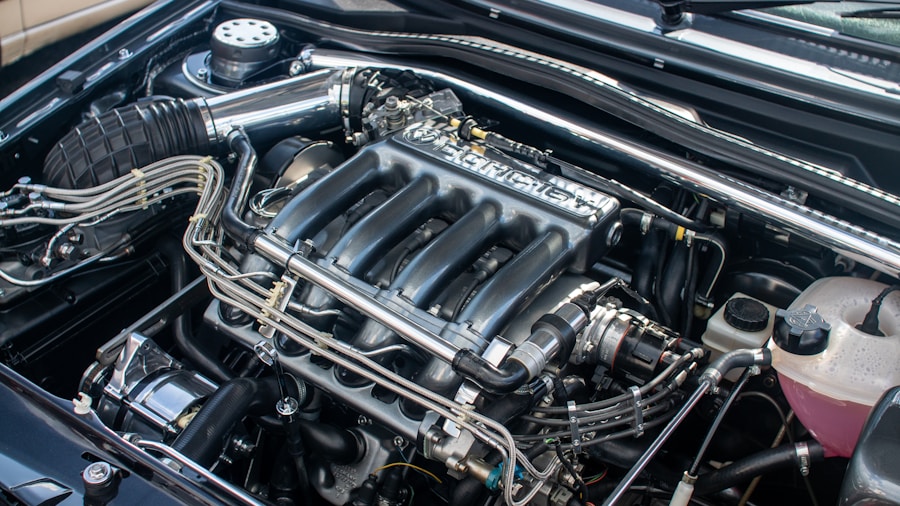
For those seeking a different character, the Alfa Romeo Giulia delivers Italian flair with a turbocharged 2.0-liter four-cylinder producing 280 horsepower and a 5.5-second zero-to-60 time. Priced at $48,245, it sits in the middle of the alternative spectrum. However, potential buyers should research Alfa Romeo’s reliability history before committing.
The Lexus IS 350 takes a different approach with a naturally aspirated 3.5-liter V6 rated at 311 horsepower. At $46,795 for the base F Sport Design trim, it offers excellent performance and Toyota reliability. The trade-off comes in cargo space, where the IS 350’s 10.8 cubic foot trunk is considerably smaller than the Stinger’s 23.3 cubic feet.
German Engineering: BMW and Audi
BMW’s 330i starts at $49,350 with a turbocharged 2.0-liter four-cylinder and 255 horsepower. For those willing to spend more, the M340i at $63,650 features a turbocharged 3.0-liter inline-six with 386 horsepower, the only entry in this group that exceeds the Stinger’s power output, and achieves 0-60 mph in just 4.4 seconds.
Audi’s A5 combines five-door practicality with 268 horsepower from a 2.0-liter turbo four, starting at $51,495. For serious performance seekers, the S5 employs a turbocharged 3.0-liter V6 with 362 horsepower and reaches 60 miles per hour in 4.3 seconds, though its $64,595 starting price sits at the premium end.
Front-Wheel Drive Options
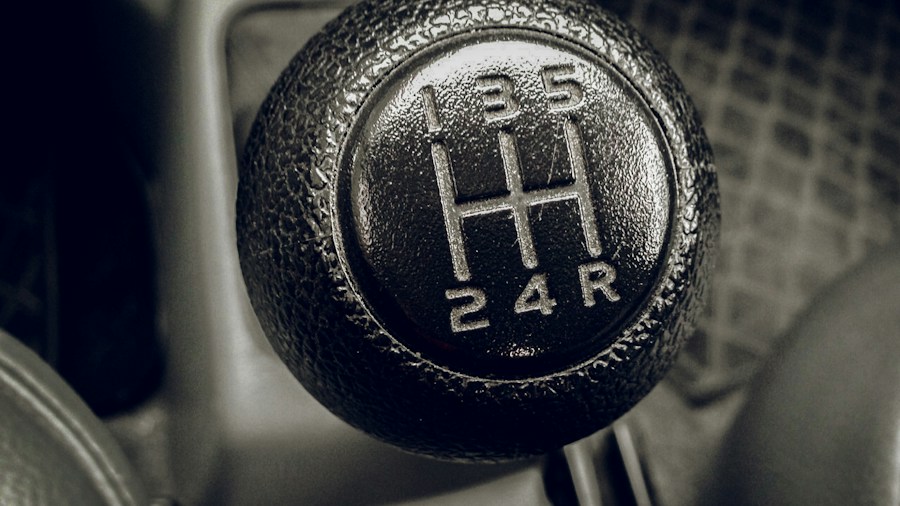
The Acura Integra Type S challenges conventional thinking by delivering 320 horsepower from a turbocharged 2.0-liter four-cylinder in a front-wheel drive package. Priced at $54,695, it offers a six-speed manual transmission exclusively, five-door versatility, and a 5.1-second zero-to-60 performance. Interestingly, it provides more rear legroom and cargo space than the Stinger itself.
For budget-conscious buyers unwilling to sacrifice performance, the Hyundai Elantra N starts at just $36,345, the most affordable option on this list. Its turbocharged 2.0-liter engine produces 276 horsepower and completes the zero-to-60 sprint in 4.8 seconds. While front-wheel drive limits its handling dynamics compared to rear-wheel drive competitors, it includes premium features like leather upholstery, a rear wing, and launch control.
What This Means for Shoppers
The Stinger’s discontinuation reflects broader industry trends, yet fortunately the sports sedan market hasn’t disappeared entirely. When evaluating these alternatives, long-term durability and ownership costs matter as much as raw performance specs. Buyers must weigh the trade-offs: whether they prioritize German engineering prestige, Japanese reliability, Italian style, or value-oriented performance.
Those seeking the Stinger’s exact combination of rear-wheel drive dynamics, turbocharged power, and liftback practicality will find no perfect match. However, each alternative excels in specific areas. Smart car shopping requires understanding which compromises matter most to your driving priorities. Whether you prefer manual transmissions, cutting-edge technology, reliability heritage, or purchase price, at least one of these seven vehicles should satisfy your craving for the Stinger’s performance-meets-practicality formula.











Write Your Review
No reviews yet. Be the first to share your experience!