

Understanding Oil Maintenance for Plug-In Hybrid Vehicles
Owners of plug-in hybrid electric vehicles face a unique maintenance puzzle that traditional car owners never encounter. When a vehicle spends most of its time running on electric power and only occasionally fires up its gasoline engine, does the standard maintenance schedule still apply? This question has real implications for how owners like yourself should care for vehicles such as the Kia Niro PHEV, which combines electric driving with occasional gas engine use.
The typical oil change interval recommended by manufacturers assumes consistent engine operation. However, plug-in hybrids operate under fundamentally different conditions. If you own a PHEV and rarely drive long distances on gasoline alone, the engine might run only a handful of times each month, fundamentally changing the maintenance equation.
What Your Maintenance Schedule Actually Means
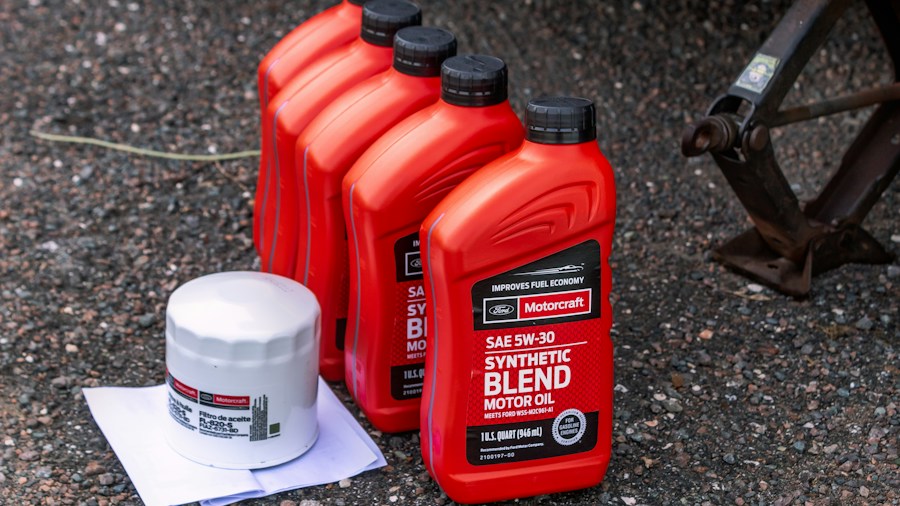
Kia’s standard recommendation for oil changes every 7,500 miles is calculated for normal driving patterns. This interval works well for conventional vehicles where engines operate continuously and accumulate mileage at a predictable rate. However, owners of a Kia Niro PHEV who primarily use electric power for daily driving may find that reaching 7,500 miles of engine operation takes considerably longer than one calendar year.
Unlike some modern vehicles with oil life monitoring systems that track actual oil degradation, many PHEV models simply reset their service reminder at each oil change. This means the system counts calendar time and mileage without measuring whether your oil has actually become compromised. For hybrid owners who drive primarily on electricity, the mileage counter becomes less relevant than the calendar.
The Case for Annual Oil Changes
If you own a PHEV and use it primarily for short electric-only trips with occasional longer journeys requiring the gas engine, annual oil changes represent a practical and sensible maintenance strategy. Treating your engine more like a seasonal vehicle than a daily driver makes sense. An oil change once per year protects against moisture accumulation and ensures your engine remains in good condition, even if it runs infrequently.
The synthetic oil you select matters. Full synthetic formulations provide superior protection during extended idle periods and resist breakdown better than conventional oils. Your covered storage also helps preserve oil quality by protecting the engine from temperature extremes and humidity.
One nuance worth considering: some manufacturers program their hybrid engines to run periodically during normal operation to burn off excess moisture that accumulates when gasoline engines sit unused for extended periods. This automatic maintenance cycle means your engine receives some protection even between your manual oil changes.
Battery Health: An Overlooked Maintenance Factor

While discussing oil changes, experts point to a different maintenance concern that may deserve your attention more urgently. If you consistently charge your PHEV battery to 100 percent but seldom drive long distances immediately afterward, you could be reducing your battery’s usable lifespan.
Lithium-ion batteries generally perform best when kept within a 20 to 80 percent charge range during regular use. Maintaining them at maximum charge for extended periods between trips accelerates degradation cycles. Consider adjusting your charging habits by setting your home charger to stop at 80 percent. Many smartphone apps can monitor and control your vehicle’s charging remotely, giving you easy management tools.
This battery consideration becomes increasingly important as vehicles age. As your Kia Niro PHEV battery degrades over time and mileage, your gas engine will be called upon more frequently to supplement electric power. Protecting battery health now extends the vehicle’s overall driving range and fuel economy for years to come.
Practical Recommendations for PHEV Owners
For owners of a Kia Niro PHEV or similar plug-in hybrid models, the practical approach combines discipline with smart optimization. Stick with your annual synthetic oil changes if your gas engine runs infrequently. This schedule protects your investment and costs relatively little compared to engine damage that could result from neglect.
Beyond oil maintenance, shift focus to battery care. Adjust your charging patterns to avoid regularly keeping the battery at maximum charge. These two steps together ensure your PHEV remains reliable and cost-effective throughout its ownership life. As PHEV technology becomes more common, understanding these maintenance differences separates informed owners from those following generic maintenance guidelines that do not fit their actual driving patterns.











Write Your Review
No reviews yet. Be the first to share your experience!