

A Bold Australian Custom Build Rewrites the Rules of 911 Modification
When Gary Reid of ShowTime in Australia decided to challenge conventional wisdom about Porsche engineering, he didn’t hold back. Working alongside Repco, a major Australian parts supplier, Reid has undertaken one of the most ambitious 911 projects in recent memory. The result, called the ShowTime Repco-Mod 933, starts with a standard 1998-2005 generation 996 but transforms it into something radically different from anything Porsche ever intended.
The heart of this project is its most controversial feature: a front-mounted Chevrolet LS V8 engine with twin turbochargers. For decades, purists have insisted such a conversion was impossible. Reid set out to prove them wrong, and the engineering challenges he overcame tell a story about what’s achievable when passion meets mechanical expertise.
The Engine Bay Gets a Complete Reimagining
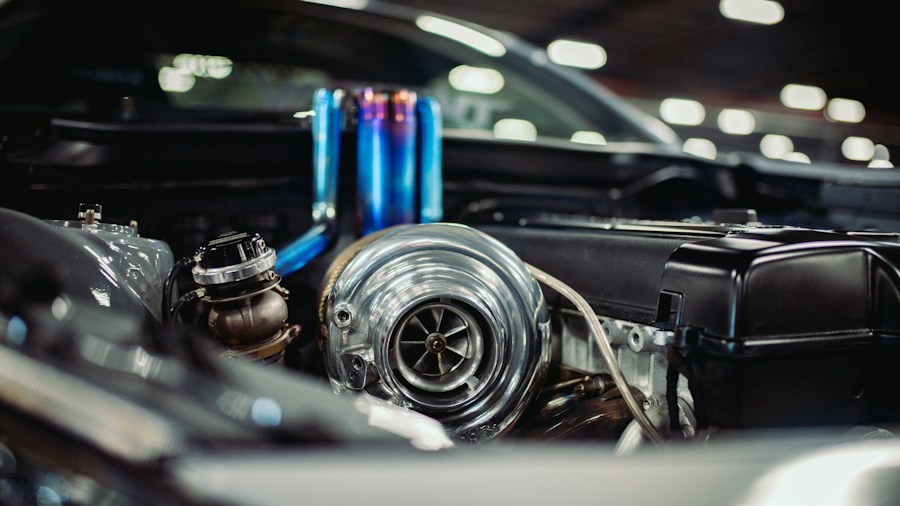
The original 996 arrived with a water-cooled flat-six engine, which defined the platform for years. Replacing it required far more than simply dropping in a new powerplant. Reid’s team had to completely reconfigure the front end to accommodate the V8, which sits in an unconventional mounting position. This isn’t a casual weekend project; over 1,800 hours of labor have already gone into the build, with more work still ahead.
Specifics about horsepower and torque remain under wraps for now, but the twin-turbo setup promises serious performance gains. The complexity of fitting a traditional American V8 into a platform designed around a horizontally-opposed six-cylinder engine speaks to Reid’s determination and technical skill. Porsche itself once explored V8 options for the 911, making this modern interpretation particularly intriguing.
Beyond the Engine: A Complete Overhaul
The mechanical transformation extends far beyond the engine swap. Reid fitted an aluminum widebody kit to accommodate wider tire options and aggressive stance modifications. The hood, roof, and doors are all constructed from carbon fiber, reducing weight and adding visual aggression to the design. A massive rear wing dominates the back end, engineered to produce substantial downforce during high-speed driving.
Inside the cabin, a full roll cage provides structural reinforcement and safety during performance driving. The suspension system meets race specifications, as do the braking components front and rear. Each modification builds on the last, creating a cohesive vehicle purpose-built for extreme driving rather than comfort or daily use.
What This Means for Porsche Enthusiasts and Builders
The ShowTime Repco-Mod 933 raises important questions about vehicle modification culture and the future of custom builds. While some Porsche traditionalists view engine swaps as heresy, others recognize the technical achievement and creative vision involved. Porsche’s own racing heritage shows the brand embraces performance innovation, even when it means departing from standard configurations.
For potential buyers interested in extreme custom cars, this project demonstrates what’s possible with sufficient budget and expertise. A transformation of this magnitude doesn’t come cheap, and the time investment alone would discourage casual hobbyists. However, for those with the resources and vision, builders like Reid prove that nearly any mechanical vision can be realized.
The Public Reveal Approaches
Reid plans to debut the finished Repco-Mod 933 at the Repco Bathurst 1000, scheduled for October 8-11 at Mount Panorama Circuit in Australia. This prestigious motorsports event will provide the perfect stage for unveiling such an unconventional machine. The completed vehicle will join ShowTime’s collection of custom and stunt cars, serving as a rolling testament to creative engineering.
The final paint scheme hasn’t been detailed yet, but Reid has promised it will complement the aggressive bodywork and performance upgrades. When unveiled, this LS-powered 996 will undoubtedly spark debate among Porsche communities worldwide. Whether observers approve of the approach or not, the technical execution behind putting a Chevrolet engine into a German sports car represents genuine innovation in the custom car space. As automakers rethink their powertrain strategies, projects like this remind us why internal combustion engines continue to captivate builders and drivers alike.











Write Your Review
No reviews yet. Be the first to share your experience!