

The automotive industry is experiencing a major course correction. Over the past year, some of the world’s most prestigious car manufacturers have quietly reversed their aggressive electric vehicle strategies, particularly for performance and sports cars. This shift reveals a fundamental truth that executives initially underestimated: not every driver wants their dream car to be silent.
Luxury and performance brands invested heavily in electrification initiatives based on the assumption that customers would follow the Tesla playbook. However, enthusiasts and buyers have sent a clear message that electric powertrains don’t work for every segment. The backlash has been swift enough that even the most committed automakers are reconsidering their timelines and approach.
When Weight Savings Trump Horsepower
Bentley’s recent decision to create a stripped-down, non-hybrid version of its Continental GT Supersports perfectly illustrates this trend. The company removed the hybrid system entirely, cutting 1,000 pounds from the vehicle’s weight. While this resulted in slightly lower power output, dropping from 771 horsepower to 657 horsepower, the weight reduction fundamentally transformed the driving experience. The Supersports now tips the scales at less than 4,000 pounds, making it a more focused and responsive grand tourer.
This move is particularly striking because Bentley, owned by the Volkswagen Group, had committed to electrification across its entire lineup. The decision to step backward demonstrates that luxury buyers still value traditional performance characteristics and driving engagement over electric efficiency credentials.
Porsche’s Hypercar Gamble Falls Flat
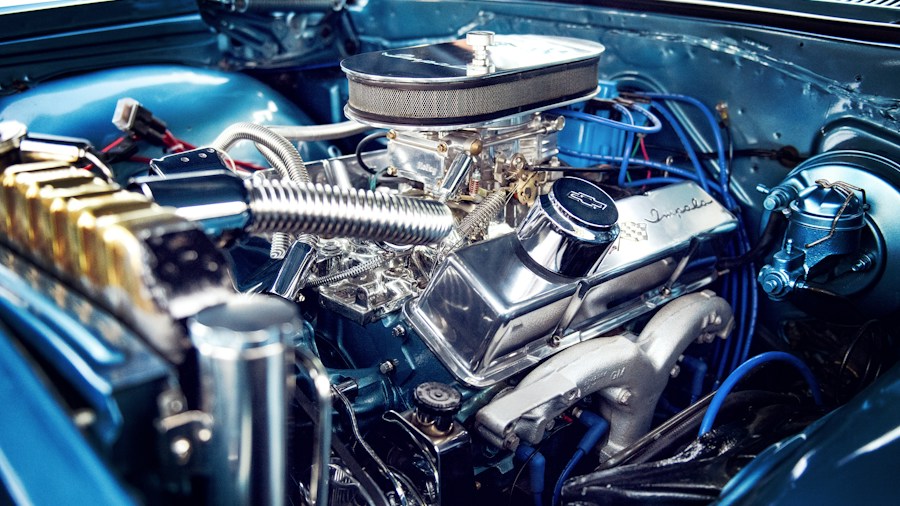
Porsche announced its Mission X electric hypercar in 2023 with impressive specifications. The car promised 1 horsepower per 2.2 pounds, more downforce than a 911 GT3 RS, and faster charging than the Taycan Turbo S. However, the market changed dramatically between the announcement and the present. Porsche Supercar Plans Signal Major Company Shift reveals how the company’s broader strategy has evolved.
Electric vehicle sales have slowed considerably, and the Rimac Nevera demonstrated that the market remains skeptical about all-electric hypercars. The massive research and development investment required to bring the Mission X to production may no longer justify the potential return, especially when customers are gravitating toward hybrid alternatives offered by competitors like Ferrari and McLaren.
Engine Sound Still Matters
Lamborghini cancelled its Lanzador electric coupe SUV for a reason that perfectly captures the fundamental problem with electrifying performance cars: personality cannot be engineered artificially when the engine is silent. The distinctive sound of a Lamborghini V12 is instantly recognizable and is part of what the brand represents.
Stephan Winkelmann, Lamborghini’s CEO, stated clearly that customers “don’t see [electric vehicles] as an alternative today” for the company’s type of cars. While electric powertrains deliver instant torque, they all feel similar. Lamborghini’s theatrical elements, like the flip-up starter button and distinctive engine note, create an emotional connection that electric vehicles struggle to replicate convincingly.
Mercedes and Maserati Learn Hard Lessons
Mercedes-AMG’s four-cylinder hybrid engine in the C63 became a case study in engineering achievement meeting market rejection. The company engineered a marvel, producing 469 horsepower from a 2.0-liter turbo four-cylinder, and 671 horsepower when combined with hybrid assistance. Yet customers hated it, missing the pure V8 engines from previous generations. Mercedes blamed Euro 7 emission regulations, but the real issue was underestimating customer preference.
Similarly, Maserati cancelled the electric Folgore variant of its beautiful MC20 supercar in 2025. The platform had been designed to accommodate three different powertrains: the original twin-turbo V6, a GT2 racecar, and the electric version. Despite promising 700 horsepower and sub-2-second acceleration times, the EV variant was cancelled due to slumping Maserati sales combined with weak electric vehicle adoption among performance car buyers.
Porsche’s Mid-Engine Dilemma
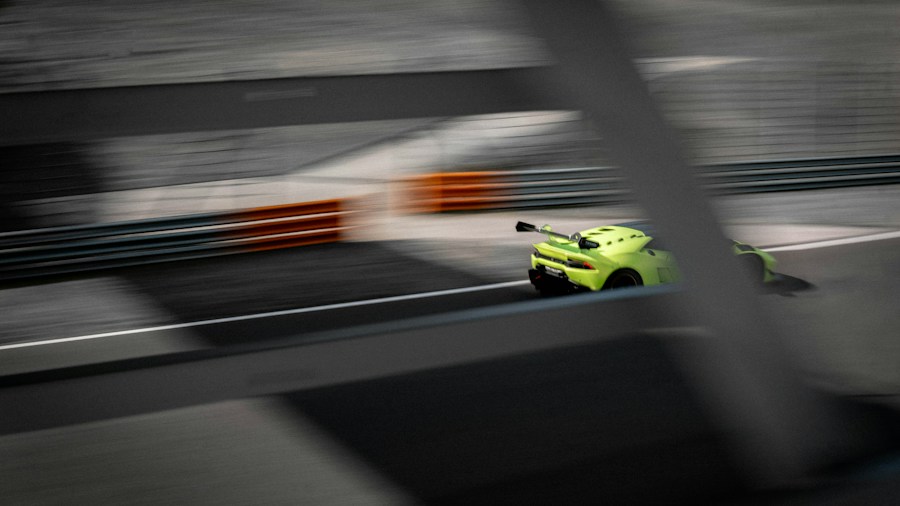
Perhaps no automaker better embodies this transition confusion than Porsche itself with its 718 Boxster and Cayman platforms. The V8 911 Porsche Never Sold highlights how the Stuttgart manufacturer has struggled with powertrain strategy historically.
Initially, Porsche announced full electrification of the 718 platform. The company then modified that plan, stating only base models would receive electric powertrains, while special editions would remain gasoline-powered. Now, the development direction remains unclear. CEO Michael Leiter confirmed the electric 718 project would continue “because it is the best solution economically,” yet market signals suggest consumers still want mid-engined sports cars with traditional engines.
What This Means for Buyers
The automotive industry is learning that electrification is not a one-size-fits-all solution. Electric vehicles make sense for SUVs, sedans, and mainstream vehicles. For performance cars and sports cars, especially those defined by their engines and driving dynamics, traditional internal combustion engines and hybrid systems still resonate with buyers.
If you’re shopping for a sports car or luxury vehicle in the near term, this correction works in your favor. Manufacturers are committing to gasoline and hybrid powertrains for their most engaging cars, meaning more options remain available than previously planned. The next few years will likely see a mixed approach where electric vehicles coexist with performance models powered by traditional engines.











Write Your Review
No reviews yet. Be the first to share your experience!