

Porsche Reverses Course on Fake Gears
Just two years ago, Porsche dismissed the idea of simulated gear shifts as a step backward for electric vehicles. The company’s development driver Lars Kern famously said Porsche would not want to make something worse by imitating a traditional combustion engine drivetrain. Yet in a surprising reversal, Stuttgart has completely changed its position. The 2027 Porsche Taycan will now feature an innovative system called E-Shift that layers eight simulated gears on top of the car’s actual two-speed transmission, blending digital theater with real mechanical engineering.
Porsche’s shift in thinking came after witnessing Hyundai’s execution of similar technology in the Ioniq 5 N. By late 2025, Frank Moser, the vice president responsible for Porsche’s 911 and 718 model lines, publicly acknowledged that the Korean brand had done something genuinely impressive. He admitted that Porsche learned valuable lessons from Hyundai’s approach and now sees virtual sounds and simulated gear changes as a legitimate path forward. However, staying true to its driver-focused philosophy, Porsche designed E-Shift with an important caveat: owners can turn the system completely off.
How Eight Virtual Gears Meet Two Real Ones
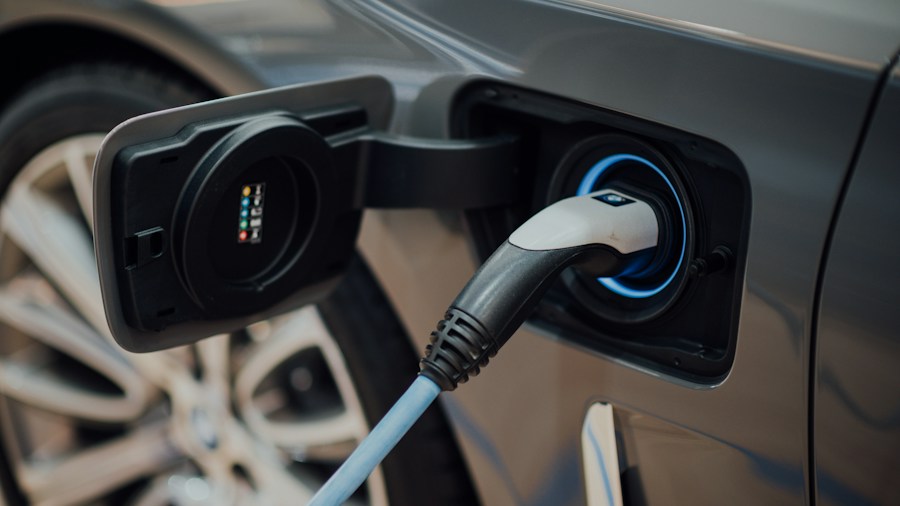
The E-Shift system is considerably more sophisticated than Hyundai’s version, primarily because the Taycan already has a genuine two-speed automatic transmission. The rear electric motor drives through this physical gearbox, with a shorter first gear optimized for hard acceleration and a taller second gear suited to efficiency and sustained highway cruising. All-wheel-drive models add a single-speed transmission at the front.
Here’s where Porsche’s engineering becomes remarkably clever: the company added seven additional simulated gear changes through software to create the sensation of an eight-speed PDK transmission. The system manipulates drivetrain control, sound, displays, and torque to achieve this effect. Most ingeniously, Porsche synchronized the virtual second-to-third gear shift with the car’s actual mechanical transmission change in the rear, so drivers experience one moment where software illusion and mechanical reality align perfectly. The other six simulated shifts are created entirely through code.
Drivers who want maximum control can shift through all eight gears manually using paddle shifters on the GT Sport steering wheel. The car will produce tactile shift sensations, adjust its electronic sports sound, display a virtual tachometer, and introduce gear-specific engine braking simulation. Alternatively, drivers can select automatic mode and let the system handle all the virtual changes independently.
Performance Gains? Not Really. Driver Engagement? Absolutely
Porsche deliberately engineered E-Shift to not improve acceleration times. During each simulated shift, the system briefly reduces drive torque before restoring it, carefully calibrated to ensure the car’s overall acceleration remains unaffected. This represents a fascinating design choice: electric motors don’t need to pause for gear changes the way traditional engines do, so Porsche is intentionally reintroducing an inefficiency that engineers normally try to eliminate. The goal is emotional connection, not faster quarter-mile times.
Porsche’s commitment to driver engagement mirrors a broader industry trend, reflecting the company’s philosophy that efficiency and excitement aren’t always the same thing. In traditional performance cars, drivers pick up countless sensory clues from rising engine revs, shifting sounds, gear position, and the physical interruption of upshifts. Electric motors eliminate most of these cues, potentially leaving drivers with less to do and less to feel. E-Shift attempts to restore that interactive experience without sacrificing the Taycan’s raw electric performance.
Pricing and Availability for 2027 Models
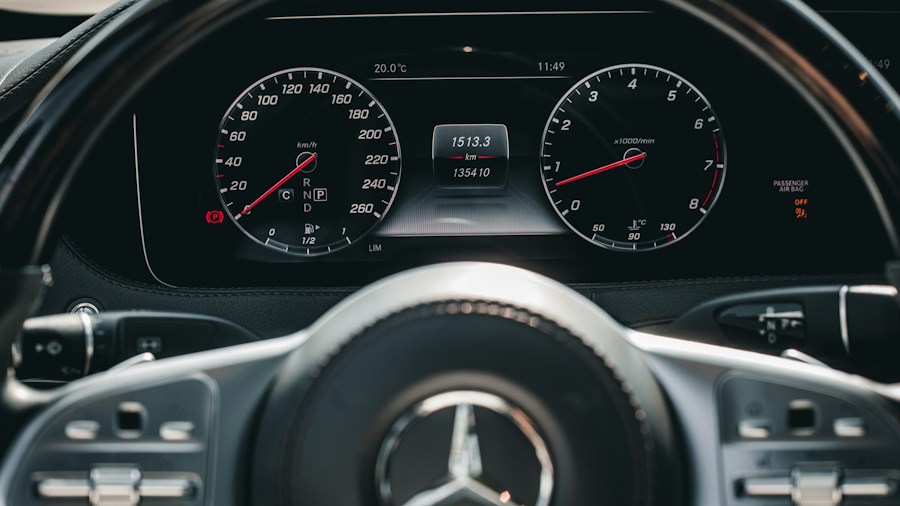
Porsche is offering E-Shift as an optional system priced at $1,030 on most Taycan trim levels, though it comes standard on the top-tier Turbo GT model (except those equipped with the Weissach package). To use the system effectively, buyers will likely want to bundle it with additional options like the Sport Chrono package, Porsche Electric Sport Sound, and premium audio from Bose or Burmester.
The 2027 Taycan lineup includes several other significant updates for American shoppers. The Performance Battery Plus with 105 kWh gross capacity now comes standard across the entire U.S. range, supporting DC fast charging at up to 320 kW and enabling 10-80% charging in as little as 18 minutes. All North American models feature the Tesla-standard NACS DC fast-charging port on the passenger side and a J1772 AC connection on the driver side. Starting pricing for 2027 Taycans begins at $111,900 before delivery and handling fees. Additionally, Porsche is discontinuing the Taycan Cross Turismo and Sport Turismo wagon variants after 2026, consolidating the lineup to the sedan body style only.
The Bigger Picture: Why Porsche Changed Its Mind
In a world where extraordinary electric acceleration is becoming commonplace, raw speed alone no longer differentiates premium performance vehicles. Porsche continues to prioritize driver experience across its entire range, and E-Shift represents an extension of that philosophy into the EV era. The technology may appear unnecessarily complex to some observers, but Porsche believes the added layers of driver interaction justify the engineering effort. By combining real mechanical shifts with virtual ones, responsive sound design, and tactile feedback, Porsche is signaling that the future of performance driving isn’t about abandoning engagement, it’s about reimagining what engagement means in an electric world.










Write Your Review
No reviews yet. Be the first to share your experience!