

A low tire in the middle of nowhere with no cell signal is every RVer’s nightmare. That compact portable air compressor you might have dismissed as overkill suddenly becomes invaluable. Whether you’re maintaining safe tire pressure on the highway, handling a roadside emergency, or tackling camp tasks, the right portable air compressor solves problems most RVers don’t expect to face until they actually need one.
What RVers Really Use Portable Air Compressors For
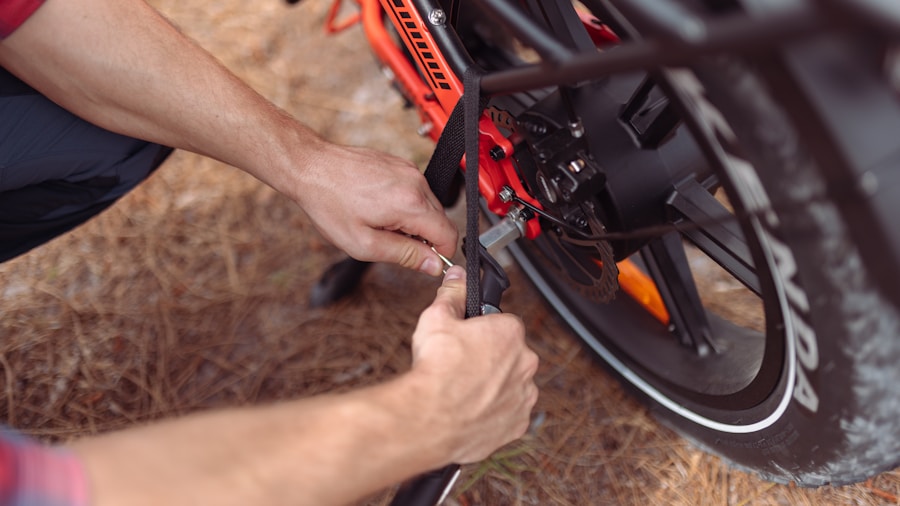
Most people assume a portable air compressor is just for tires, and tire maintenance is certainly critical for safety, tire longevity, and load capacity. But the practical uses go far beyond emergency roadside top-offs. A quality portable air compressor handles winterizing water lines when your manufacturer allows the compressed-air method, inflating bike and e-bike tires at camp, pumping up air mattresses and floaties, and even maintaining pressure on tow vehicles, toads, ATVs, and utility trailers you bring along. Some RVers also use theirs for maintenance jobs around camp and small equipment repairs.
Key Specifications to Compare
Pressure (PSI) tells you whether the compressor can reach your target tire pressure. Check your RV’s recommended cold tire pressure and look for a compressor rated about 20 to 50 PSI higher. For example, if your motorhome tires require 100 PSI, aim for a unit rated around 120 to 150 PSI. Higher headroom matters because compressors slow significantly as they approach maximum pressure, so a model barely meeting your needs takes much longer to fill a tire than one with cushion built in.
Airflow (CFM), measured in cubic feet per minute, determines how quickly the compressor delivers air. For most RVers, 1.5 to 3.5 CFM is a useful range, with higher values becoming more valuable as tire size increases. Keep in mind that CFM drops as pressure increases, so a compressor that pumps fast at 50 PSI may crawl when you’re targeting 100 PSI on large RV tires.
Power source dramatically affects real-world usability. A 12V plug-in model is compact and convenient but often slower and best for emergency top-offs on small tires. Battery-operated inflators offer campsite portability but limited runtime. Heavy-duty 12V compressors connect directly to a vehicle battery with alligator clamps, drawing more current than accessory outlets allow, making them ideal for larger tires. An AC option requires shore power or a generator, which doesn’t help with roadside emergencies unless you have backup power.
Tank versus tankless is worth considering. Most RV-friendly compressors are tankless, generating air as needed without storing it. This makes them lighter, more compact, and easier to power from your rig’s battery or 12V outlet. A small tank-style compressor can be useful if you have a large motorhome with basement storage and an onboard generator, but for most RVers, a tankless model with adequate PSI and CFM handles tire inflation, plumbing blowouts, and recreational use just fine.
Features That Matter in the Field
A hose long enough to reach every tire on your rig is essential, along with a power cord that extends from your battery to the farthest wheel. Look for a storage bag or case that keeps hoses and accessories organized and protected during travel. The pressure gauge should be easy to read at a glance, and an automatic shutoff feature lets you preset your target pressure without constant monitoring. Multiple nozzle attachments expand functionality for mattresses and sports equipment, while a built-in LED work light proves surprisingly valuable when you’re troubleshooting at dusk or after dark. Quick-connect fittings speed up hose changes, replaceable air filters help in dusty conditions, and specialty chucks designed for inner dual tires make reaching rear wheels easier on large rigs.
Popular Models Across Different Needs
The VIAIR 400P-RV Automatic Portable Compressor Kit stands out for Class A motorhomes, featuring up to 60 feet of hose reach through two 30-foot sections and an extended-reach chuck for dual rear wheels. The DeWalt 20V MAX Cordless Inflator offers versatility, running from a 20V battery, 12V DC outlet, or 110V AC adapter if you purchase the separate power accessory. It includes a digital gauge, LED light, and deflation mode. The Slime Super Duty Pro Power connects directly to vehicle batteries with a dual-piston motor, making it suited to larger tires and trailers. The ARB Twin High-Performance 12V compressor delivers the highest airflow with twin motors and integrated air tank, ideal for off-road RVers needing speed and durability, though it weighs about 33 pounds and costs considerably more than typical tire inflators. For RVers with shore power or generator access, the California Air Tools CAT-1P1060S tank-style compressor is oil-free, ultra-quiet at 56 decibels, and handles winterizing and maintenance work, though it requires 110V AC power and isn’t portable for roadside emergencies.
As part of maintaining your RV properly, many RVers also focus on upgrading interior comfort and convenience features to make travels more enjoyable. Pairing a good portable air compressor with proactive maintenance habits and quality service support keeps your rig running smoothly for years of adventures.
Making the Right Choice
The best portable air compressor depends on your rig size, power setup, and intended uses. A model that works beautifully for a small towable may take forever to fill large motorhome tires, while a heavy-duty compressor might be overkill for minimal use. Spend time matching your actual needs to the specifications and features available. When you finally face a flat tire miles from help or need to winterize before a cold snap, that little gadget will prove worth its weight in the pass-through bay.




Write Your Review
No reviews yet. Be the first to share your experience!