

A major push to open hundreds of thousands of acres of Colorado public land to oil and gas development is raising concerns among outdoor enthusiasts, including the motorcycle community that relies on these spaces for recreation. The U.S. Bureau of Land Management plans to auction mineral rights to approximately 400,000 acres, with sales expected to proceed in December. For riders who value access to public trails and unspoiled terrain, this development carries real implications for future riding opportunities and land conservation.
Colorado Activist Takes Stand Against Federal Leasing Plan
Joel Mayne, a Colorado-based motorcycle instructor and Desert Storm veteran, has emerged as a vocal opponent of the leasing initiative. Mayne began his activism after the BLM moved forward with selling mineral rights beneath Bakers Peak mountain in Moffat County, despite local protests from property owners and community members. When the December 2025 sale proceeded despite objections, Mayne did not abandon his efforts. Instead, he escalated his campaign by filing appeals with the Interior Board of Land Appeals in Washington, D.C., challenging the federal government’s decision-making process.
His original protest to the BLM emphasized the ecological and biological importance of the region, arguing that responsible stewardship of public lands should be the priority. The agency rejected these concerns and moved forward with the sale. Now, Mayne is leading a broader coalition that includes national and local conservation groups fighting the impending 400,000-acre auction.
Why This Matters for Motorcycle Shoppers and Riders
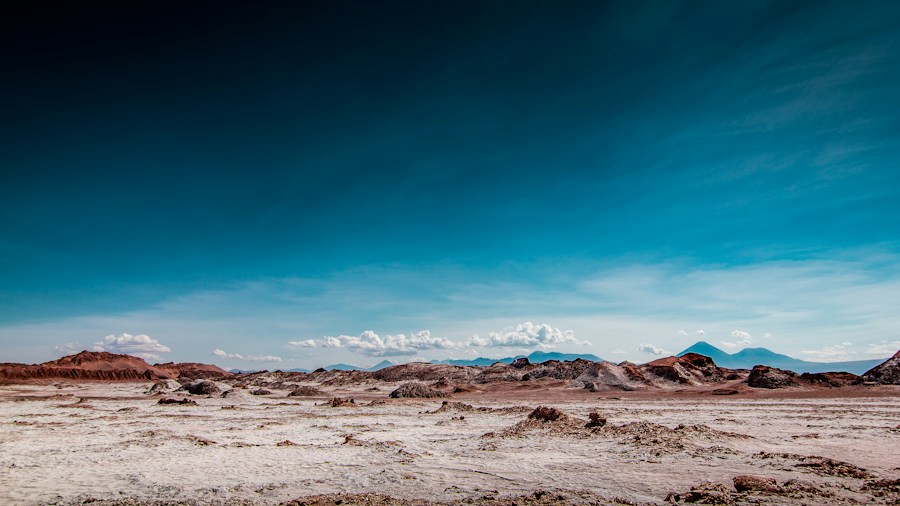
The outcome of this public lands battle directly affects where motorcyclists can legally ride in the future. Access to public lands is fundamental to the off-road and adventure motorcycle community. When mineral extraction industries gain control of public acreage, recreational access typically becomes restricted or eliminated entirely. Roads are torn up for mining and drilling operations, trails are closed, and ecosystems that support the riding experiences enthusiasts value are degraded.
Beyond immediate access concerns, this issue connects to broader questions about the availability and price of motorcycles and gear. Environmental stability and outdoor recreation infrastructure influence consumer spending patterns in the powersports industry. When public lands shrink or become inaccessible, fewer people pursue motorcycle hobbies, which can affect dealer inventory and market conditions. Consumer confidence and recreational opportunity both play roles in motorcycle sales trends.
The Political and Market Context
Despite surveys showing that 90 percent of Americans support protecting public lands, federal policy continues to favor extraction industries. Extraction and development sectors contribute significant campaign funding and lobbying resources, often outweighing conservation voices. This creates a disconnect between public preference and actual policy outcomes, which riders and outdoor enthusiasts increasingly recognize as a problem affecting their access rights.
The motorcycle community is not immune to broader supply chain and regulatory challenges facing the industry. Disruptions in motorcycle supply chains affect availability and pricing, and environmental policies influence long-term market stability. When public resources are privatized and converted to industrial use, the outdoor recreation ecosystem that supports motorcycle tourism, retail, and community events weakens.
What Shoppers Can Do
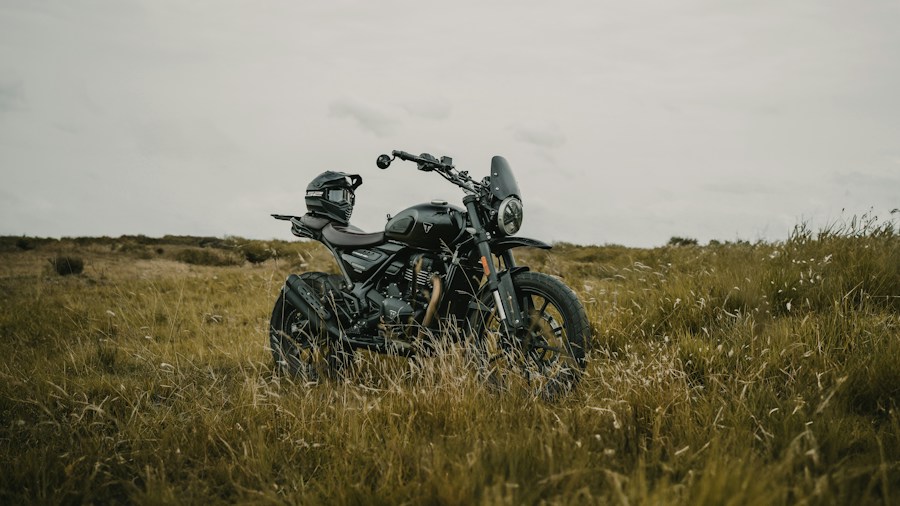
Motorcycle buyers who care about trail access and public land conservation have several options. First, stay informed about ongoing public lands auctions and comment periods. Second, support organizations fighting to preserve recreation areas, as these groups provide information and coordinate advocacy. Third, consider how your purchasing decisions align with your values regarding outdoor access. Choosing brands and retailers that support public land conservation sends a market signal.
The December auction represents a critical moment. If the 400,000-acre sale proceeds as planned, it could set a precedent for additional conversions of public land to private industrial use. Conversely, if sustained pressure forces the government to reconsider, it demonstrates that public input matters. Mayne’s persistence shows that individual riders and outdoor enthusiasts can influence policy outcomes, even against well-funded opposition.
Regulatory and policy changes in the powersports sector can emerge from unexpected directions, and being engaged with public lands issues is part of understanding the broader landscape affecting motorcycle access and availability.
The Takeaway for Riders
Public lands leasing debates are not just environmental issues; they are consumer issues for the motorcycle community. Your riding options, trail access, and the long-term viability of outdoor recreation depend on how these political battles unfold. Supporting advocates like Mayne and staying informed about public lands auctions ensures that your voice counts in shaping where and how you can ride in the future.











Write Your Review
No reviews yet. Be the first to share your experience!