

The restomod market has exploded over the past few years, transforming classic and vintage cars into modern performance machines through a combination of restored bodywork and cutting-edge engineering. While the Porsche 911 has long dominated the restomod space as the go-to platform, the industry has quietly evolved into something far more diverse and compelling. Today’s most innovative builders are reimagining icons across multiple brands, delivering experiences that rival or exceed what Stuttgart-based transformations can achieve.
Why Restomods Matter to Today’s Buyers
Understanding the restomod landscape matters if you are considering a classic car purchase or exploring alternative investments in performance vehicles. The 911’s popularity as a restomod base stems from its inherent architecture, which adapts naturally to extreme modifications and modern powertrains. However, that same adaptability now applies to dozens of other legendary platforms, each offering distinct character and driving dynamics.
What does this mean for shoppers? Competition among builders has driven innovation, quality, and specialization to new heights. Instead of settling for a 911 restomod, buyers can now choose from carefully executed reimaginings of everything from British sports cars to Italian rally legends, each with its own engineering philosophy and performance targets.
The Standout Restomods Reshaping the Industry
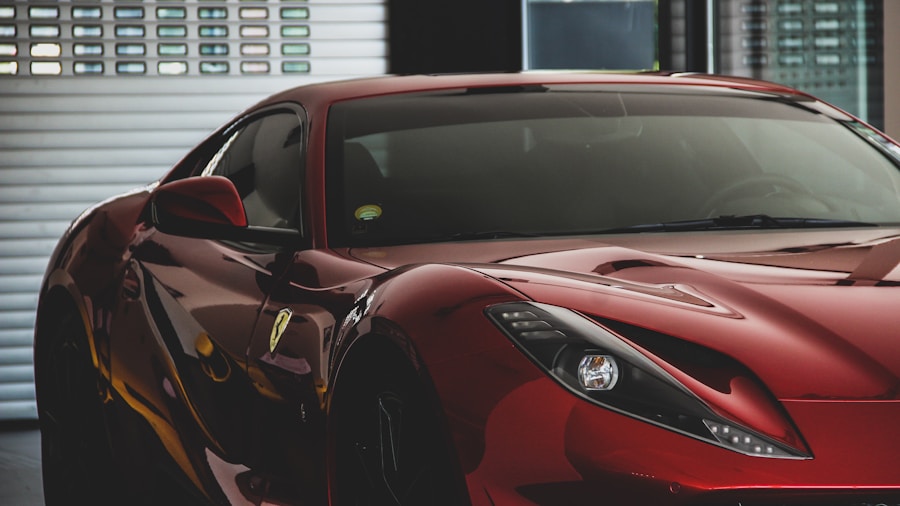
Several builder teams have demonstrated that moving beyond Porsche opens remarkable possibilities. Vision148’s Carbon Piranha, based on the Ford Sierra Cosworth RS500, showcases how a legendary road-racing icon gains new life through advanced materials like carbon fiber. Only one example will be created, gifted to a member of the Autovision Club as a celebration of Cosworth’s 65-year heritage.
Eccentrica’s approach to the Lamborghini Diablo illustrates refinement over raw horsepower. Rather than chasing extreme numbers, the company modified the original V12 to deliver more power while reducing weight through carbon fiber and modern composite construction. This philosophy prioritizes the complete driving experience, a sharp contrast to some contemporary restomod trends.
The Evoluto 355 represents the pinnacle of Ferrari F355 revival. Featuring over 200 redesigned engine components while retaining the naturally aspirated flat-plane V8 character, this restomod delivers 21st-century performance and reliability without abandoning the analog soul that made the original special. Designer Ian Callum, known for his acclaimed Mini Cooper restomods, crafted its subtly revised exterior and modern interior.
For those drawn to German engineering, HWA Engineering’s approach to future platforms extends to the Mercedes-Benz 190E, where as much as 75 percent of the donor car’s components were replaced. The HWA EVO features a twin-turbocharged V6 in a front-mid-engine layout, achieving nearly perfect 50/50 weight distribution. Only 100 examples will be produced, with pricing near $760,000.
Specialty Restomods and Niche Excellence
Kimera Automobili’s EVO37 revives the Lancia Rally 037 Group B car through the chassis of a Beta Montecarlo. Weighing just 2,310 pounds and powered by a twin-charged four-cylinder producing nearly 500 hp, this 190-mph performer represents motorsport heritage translated into road-legal form. Only 37 examples are planned.
Lunaz Design took the classic Land Rover Range Rover in an unexpected direction: full electrification paired with an open-top conversion. This standout restomod combines all-electric motors at each axle with extensive chassis strengthening and a luxurious interior, proving that restomods extend far beyond traditional high-performance sports cars.
The Maturo Stradale built on the Lancia Delta HF Integrale chassis demonstrates how carbon fiber can trim 100 pounds while maintaining the original’s visual identity. Its turbocharged four-cylinder and dog-leg five-speed transmission create a tactile, connected driving experience that enthusiasts increasingly seek as automakers prioritize electronic interfaces.
Totem Automobili’s GTAModificata transforms the Alfa Romeo Giulia GTAm into a carbon-fiber lightweight producing 800 hp from a 3.2-liter twin-turbocharged V6, all while keeping total weight to just 2,414 pounds. Pricing approaches $1.2 million, reflecting the labor-intensive craftsmanship involved.
Classic V12 Restomods: A Philosophy Shift
Not all modern restomods chase extreme horsepower. Touring Superleggera’s Veloce12, based on the Ferrari 550 Maranello, produces 503 hp from its V12 paired with a gated six-speed manual and an analog-first interior philosophy. Each of the 30 planned examples requires roughly 5,000 assembly hours and costs nearly $1 million before donor car expenses.
Tom Walkinshaw Racing’s Supercat, built on the Jaguar XJS V-12, similarly embraces analog simplicity. Its 5.6-liter supercharged V12 and six-speed manual define a rear-wheel-drive experience that prioritizes connection over computational assistance. Starting prices hover around $285,000, making it more accessible than some alternatives.
What This Means for Shoppers Today
The restomod market’s diversification offers buyers unprecedented choice. Whether your passion leans toward British, Italian, German, or Japanese classics, specialist builders now offer thoughtfully engineered alternatives to traditional Porsche 911 transformations. As the broader automotive landscape shifts, these restomods preserve analog driving experiences while delivering modern reliability and performance.
Prices range from $285,000 to well over $1 million, reflecting both the rarity of limited-production builds and the extraordinary labor required. For collectors and enthusiasts, the expanded restomod universe means finding a car that truly matches personal taste and driving philosophy, rather than defaulting to the market’s most famous option. That fundamental shift represents the industry’s maturation and the genuine democratization of high-end automotive craftsmanship.











Write Your Review
No reviews yet. Be the first to share your experience!