

Imported RV Brands Expanding Their Foothold in the Market
A recent analysis of over 2.2 million online searches across 139 RV brands reveals a significant market realignment that shoppers need to understand. Imported recreational vehicles are steadily capturing a larger share of buyer attention, marking the third consecutive quarter of growth for foreign manufacturers. This shift represents more than just a minor adjustment at the market’s edges: it’s reaching the top tier of consumer consideration, where established domestic leaders are losing ground to newer international competitors.
The data shows imported brands increased their share of total search activity to 27.8% in the second quarter of 2026, up from 26.7% in the previous quarter. Nearly all major imported brands in the top 10 gained market share during this period. This trend aligns with broader industry statistics showing that Australian manufacturers produced 5% fewer RVs in 2025, while imports climbed 16% during the same timeframe. The pattern reflects changing buyer preferences and expanding options in the recreational vehicle marketplace.
Market Leaders Feel the Pressure
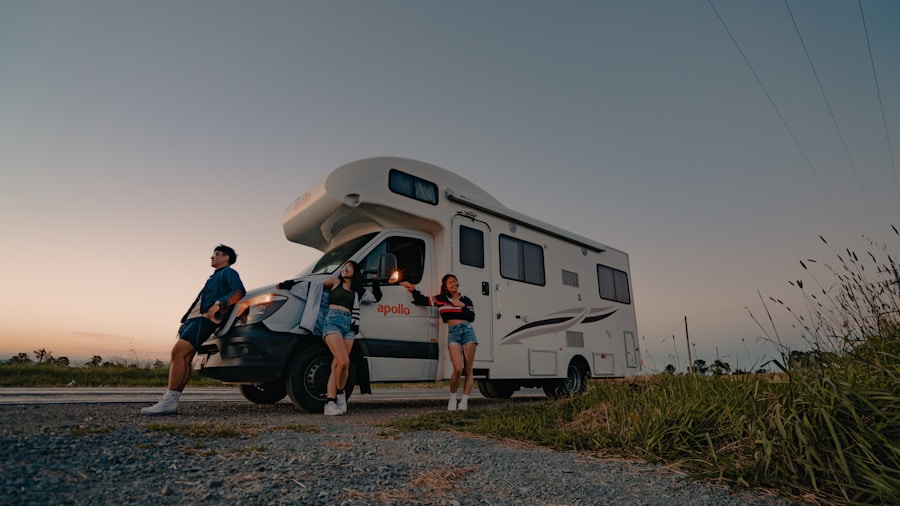
The country’s dominant RV brand saw its market share slip to 23.1%, down 1.1 percentage points and returning to levels last seen at the end of 2025. This decline reverses the modest recovery the brand had achieved in the first quarter, signaling that buyer momentum remains unpredictable. Meanwhile, Winnebago emerged as the quarter’s strongest performer, gaining share across multiple market segments and categories.
The competitive landscape became more complex when three major brands encountered significant operational challenges. Network RV Caravans and Sunland Caravans both entered voluntary administration in June 2026, while Starvision abruptly closed its Melbourne location. Industry analysts determined that this disruption remained confined to these specific cases and did not ripple outward to affect the broader competitive rankings. Understanding how dealership changes impact your purchasing power becomes increasingly important during periods of market consolidation.
What This Means for RV Shoppers

For buyers evaluating their options, this market shift creates both opportunities and considerations. The expansion of imported brands means consumers now have access to a wider range of choices, designs, and price points than previous years offered. Competition typically benefits buyers through improved features, better pricing, and enhanced dealer service as companies work harder to capture market share.
However, the transition also warrants attention. When established market leaders lose ground, they may respond by adjusting pricing, introducing new models, or modifying their dealer networks to remain competitive. Understanding tariff policies and their potential impact on RV pricing helps shoppers make informed decisions about timing their purchases. Additionally, when smaller competitors enter or expand their market presence, buyers should evaluate their service infrastructure, warranty support, and long-term parts availability before committing to a purchase.
The search data also reveals something important about consumer behavior: where people direct their attention online often predicts where the market will move in the coming months. When millions of shoppers begin researching imported alternatives, it signals that these products are meeting buyer needs in ways that resonate with current preferences. This could mean features like fuel efficiency, modern technology integration, floor plan innovation, or price-to-value ratios that appeal to today’s consumers.
Planning Your RV Purchase
If you’re considering an RV purchase, this is an ideal moment to expand your research beyond familiar brands. Visit multiple dealerships, test different models, and compare specifications side by side. The increased competition means dealers are more motivated to negotiate on price and financing terms. Ask questions about warranty coverage, service center locations, and parts availability, especially when considering less established brands. Review online owner forums and communities to understand long-term satisfaction and potential issues with models you’re considering. Learning what items genuinely belong in your RV helps you make better decisions about layout and size.
Market dynamics like these shift relatively quickly, so the brands gaining traction now may look quite different a year from now. By staying informed about these trends and conducting thorough research, you position yourself to find the best RV for your needs and budget. The expanded selection represents genuine progress for the consumer marketplace, but success requires your due diligence as a buyer.











Write Your Review
No reviews yet. Be the first to share your experience!