

RV Market Faces Difficult Year in 2026 Before Returning to Stability
The recreational vehicle industry is bracing for a substantial slowdown in 2026, with wholesale shipments expected to reach approximately 290,000 units before conditions improve in 2027. This projection represents a significant 15.3% decline from the 342,220 units shipped in 2025, marking one of the more challenging periods the industry has faced in recent years. However, industry leaders and economic forecasters see signs of recovery ahead, with 2027 expected to bring more balanced market conditions that will benefit both dealers and consumers.
According to the latest industry analysis, the 2026 downturn stems from a combination of economic headwinds that have reduced consumer purchasing power. Persistent inflation, elevated interest rates, higher fuel costs, and broader economic uncertainty have all contributed to weakened buyer confidence. For a discretionary purchase as significant as an RV, these factors have proven particularly influential, prompting many consumers to postpone buying decisions while dealers have become more cautious with their inventory orders.
What 2027 Means for the RV Buying Market
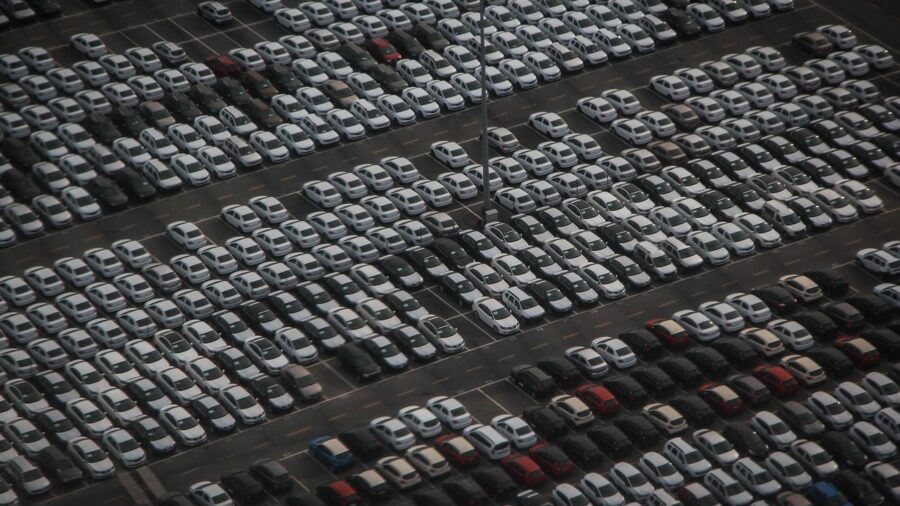
The forecast for 2027 offers more encouraging news. Shipments are projected to stabilize at around 285,000 units annually, representing a relatively flat market compared to 2026 levels. More importantly, industry analysts expect shipment declines to moderate through the first half of 2027, with year-over-year quarterly growth expected to resume in the second half of the year. This trajectory suggests that buyers may see improved dealer availability and potentially better negotiating positions as the market rebalances.
The RV Industry Association emphasizes that the industry has managed the downturn responsibly. Dealers have maintained disciplined inventory levels throughout the challenging period, with retail registrations actually outpacing wholesale shipments over the past 12 months. This disciplined approach means the market is not oversupplied with inventory, which should help create a more stable foundation moving forward. When consumer demand does strengthen, the industry will be positioned to respond without the inventory bloat that can depress prices and create market volatility.
What This Means for RV Shoppers Right Now

For consumers currently considering an RV purchase, understanding this market dynamic is crucial. Those facing financial constraints due to higher interest rates and fuel prices may want to monitor economic trends closely over the coming months. If you’re considering winterized models for year-round use, you might explore winter camping options in winterized RVs to understand the full value proposition of your purchase.
The gradual stabilization expected in 2027 could mean several advantages for buyers. As the market stops contracting, dealers may have more stable pricing structures, making it easier to compare values across models. Additionally, as economic conditions gradually improve and consumer confidence returns, competition among dealers may intensify, potentially offering buyers better deals and more favorable financing terms. For those who can wait until late 2027 or early 2028, the improving market trajectory suggests conditions may be more favorable.
Industry leadership notes that geographic considerations also matter. Recent regulatory changes have affected the RV market in specific regions, such as how Nebraska RV franchise law now in effect has reshaped dealer operations in that state. Understanding local market conditions in your area remains important when making purchasing decisions.
Planning Your RV Purchase Strategy
Current conditions suggest several strategic approaches for RV shoppers. If you’re in the market immediately, the reduced retail demand means you may encounter less aggressive sales pressure, allowing for more thoughtful decision-making. Dealers managing inventory carefully may be more willing to negotiate on price and financing terms than in stronger markets.
Conversely, if your timeline is flexible, waiting until mid-to-late 2027 could position you to benefit from improving economic conditions, better dealer inventory selection, and potentially more competitive pricing. By that time, interest rate trends may also have shifted, directly affecting your financing costs for such a significant purchase.
The RV industry has demonstrated resilience and discipline during this downturn. Market participants have avoided the inventory buildups that could extend the slowdown, instead positioning the industry for recovery. This careful management suggests that when 2027 arrives, both buyers and sellers should find a more balanced, predictable market environment that supports better transactions for everyone involved.









Write Your Review
No reviews yet. Be the first to share your experience!