

Tesla’s highly anticipated Cybercab robotaxi is officially accepting orders, priced at $29,990 and slated for December deliveries. This marks a significant moment for the autonomous vehicle market, but shoppers considering a purchase need to understand the substantial limitations and requirements that come with ownership.
The Price Point and Delivery Timeline
The two-seat, fully autonomous vehicle undercuts Tesla’s $30,000 target by just ten dollars, fulfilling a commitment CEO Elon Musk made earlier this year. Orders are now live through an invite-only page, with Tesla accepting a $1,000 non-refundable deposit per vehicle. The company plans initial deliveries in December, though availability remains tightly controlled for now.
Interested buyers must be prepared to take delivery in one of five Texas cities: Austin, Dallas, Fort Worth, Houston, or San Antonio. Each customer is limited to ordering just one vehicle, and all transactions require a $299 monthly Autonomy Subscription for the Cybercab to operate at all.
The Real Cost of Ownership
While the headline price seems attractive, the mandatory subscription fee significantly increases the true cost of ownership. Over a year, that $299 monthly charge totals $3,588, and there’s no indication when or if this fee might decrease. Musk himself acknowledged on social media that the monthly subscription is too high, suggesting it should align more closely with Tesla’s Full Self-Driving pricing at roughly $115 per month on other models. However, no changes to the Cybercab subscription structure have been announced.
Beyond the recurring subscription, buyers should factor in insurance, maintenance, and eventual repairs. Tesla has not yet published detailed warranty information or service procedures for this entirely new vehicle class.
Geographic and Operational Restrictions
The Cybercab cannot be driven anywhere you want. Tesla’s existing Robotaxi geofences currently limit operation to specific areas within the five Texas delivery cities. Cybercab ownership comes with strict operational boundaries, and taking the vehicle outside these zones renders it essentially non-functional. Additionally, Tesla’s ownership agreements restrict resale and personal use of the vehicle.
For anyone living outside these geofenced regions, the Cybercab has extremely limited utility. Tesla has promised nationwide availability as regulatory approval is obtained, but no timeline for that expansion has been provided.
Invite-Only Status and Real Availability

The current ordering system is not a traditional first-come, first-served rollout. Tesla is selectively inviting customers to purchase, which means availability depends on whether you’ve been chosen by the company. This exclusivity, combined with the fact that zero vehicles have actually been delivered yet, leaves significant uncertainty about whether December deliveries will truly happen on schedule.
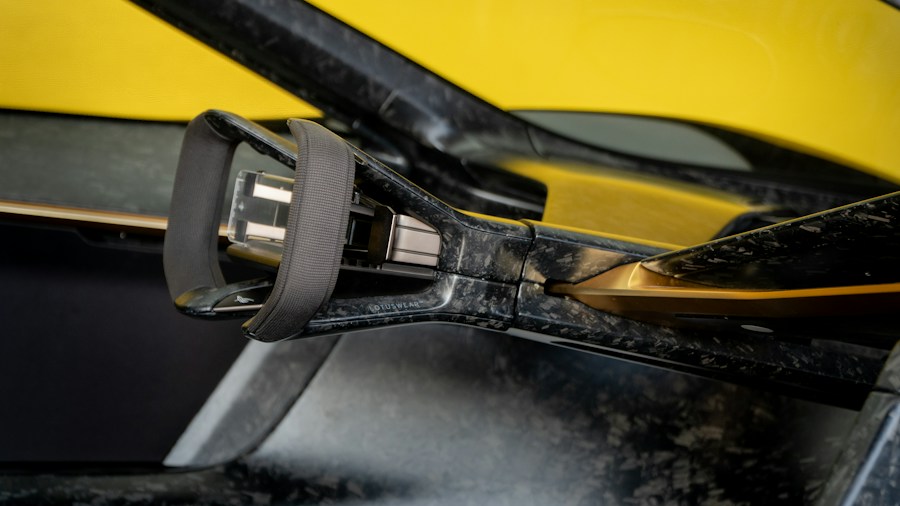
The car also features no steering wheel, pedals, or driver controls whatsoever, making it dependent entirely on autonomous technology. For skeptics questioning Tesla’s timeline, this design choice underscores the company’s commitment to full autonomy, though it also means the vehicle cannot be operated manually under any circumstances.
What This Means for Shoppers
The Cybercab represents a fascinating but risky purchase decision. The technology is genuinely innovative, and the $29,990 price is undeniably competitive for an autonomous vehicle. However, the operational restrictions, subscription requirements, and limited delivery geography make this a product suited only for specific buyers in approved areas who are willing to accept technological and geographic constraints.
The Tesla Robotaxi app now provides real-time data that may help evaluate whether autonomous services make sense for your lifestyle, and that same logic applies to Cybercab ownership. Before putting down your $1,000 deposit, verify that your address falls within an approved delivery zone and that you understand the monthly subscription commitment.
For most consumers, waiting to see how the first production wave performs, how quickly regulatory approval spreads to other states, and whether subscription pricing adjusts downward may be the smarter move. This is a pioneering product, and pioneer pricing and restrictions tend to evolve as markets mature.











Write Your Review
No reviews yet. Be the first to share your experience!