

Automotive technology continues to evolve in ways that affect how drivers maintain their vehicles and understand their tire and engine systems. One significant shift in recent years involves how manufacturers monitor engine oil levels. General Motors and other automakers have begun replacing traditional dipsticks with advanced sensor systems on newer V8 engines, a change that has caught the attention of both consumers and automotive professionals. Understanding how these systems work and what they mean for your overall vehicle maintenance is important for any vehicle owner.
How Modern Oil Level Sensors Function
The sensor systems replacing conventional dipsticks operate using ultrasonic technology rather than the float and mechanical indicator found in older designs. These ultrasonic sensors emit sound waves directly into the oil pan to calculate the actual oil level. This approach differs from traditional methods and offers both advantages and considerations for drivers.
The timing of these measurements matters significantly. Unlike a dipstick check, which requires the vehicle to be parked and off, the sensor automatically measures oil levels at specific moments during normal vehicle operation. For instance, the system activates when your engine first starts in Park or when you come to a stop at a traffic light. This automatic monitoring means you do not need to manually check your oil as frequently, though understanding your vehicle’s maintenance requirements remains essential.
The shift away from dipsticks represents a broader trend in vehicle design toward integrated electronic monitoring systems. While this technology reduces the need for manual checks, it also means drivers must rely on dashboard alerts when issues arise. Proper understanding of your vehicle’s fuel efficiency and overall condition also relates to tire maintenance, since tire quality directly impacts fuel economy and engine performance.
Implications for Vehicle Owners
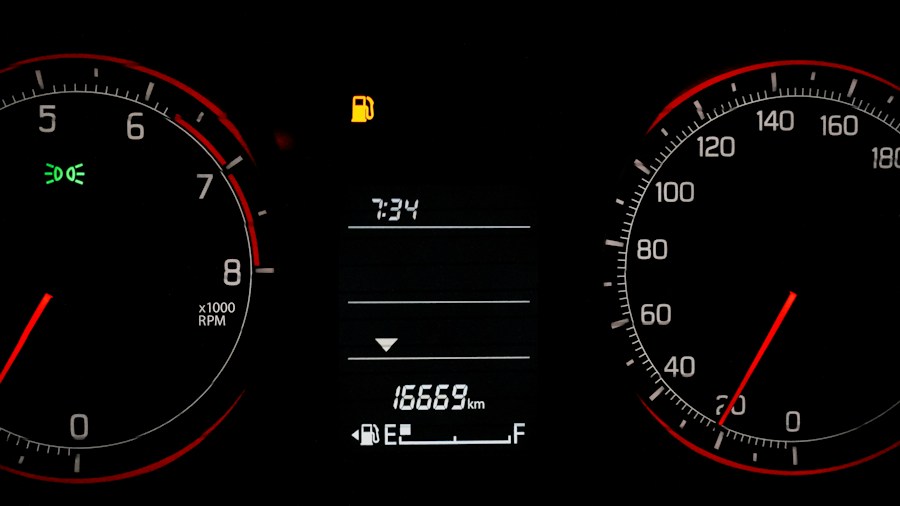
For shoppers considering newer vehicles with sensor-based oil monitoring, several practical considerations apply. First, you should familiarize yourself with the dashboard warning system and understand what alerts mean. Second, regular service appointments become even more critical, since you cannot rely on periodic manual checks to catch developing problems early. Many repair shops now use advanced diagnostic tools to monitor vehicle systems comprehensively, which can catch both engine and tire-related issues during routine maintenance.
The elimination of dipsticks does raise questions about reliability and ease of troubleshooting. However, manufacturers have designed these systems to provide reliable readings under the conditions when drivers typically need that information. If your dashboard alert illuminates, treating it seriously and scheduling immediate service is vital. Ignoring sensor warnings can lead to engine damage far more costly than addressing the issue promptly.
Broader Vehicle Maintenance Considerations
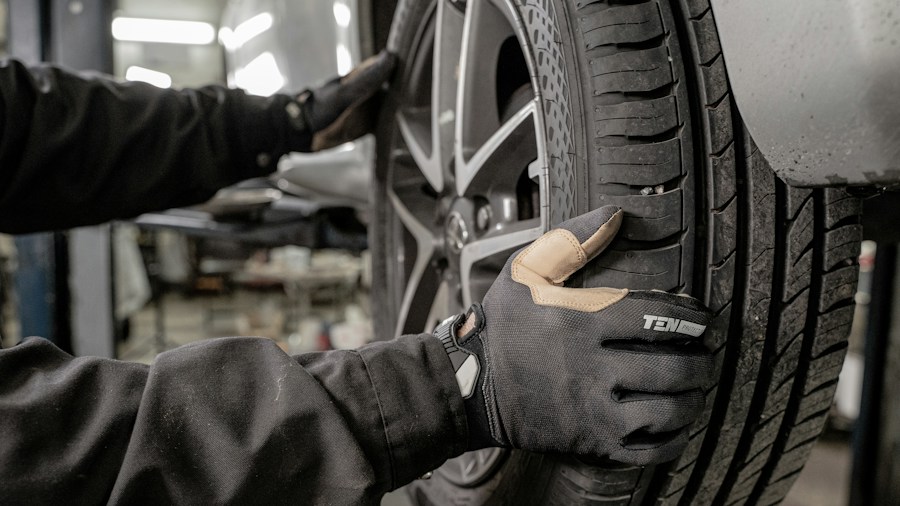
While engine oil monitoring gets attention, vehicle owners should recognize that comprehensive maintenance involves multiple interconnected systems. Tire condition, alignment, and pressure all affect fuel economy and vehicle performance alongside engine health. Understanding ratings like treadwear grades and traction ratings helps you select tires suited to your driving habits and local climate conditions.
As fuel prices fluctuate, many drivers seek ways to improve fuel economy. Low rolling resistance tires can contribute meaningfully to efficiency gains. When combined with proper engine maintenance and well-maintained sensors, a comprehensive approach to vehicle care delivers better long-term results than addressing any single system in isolation.
When shopping for tires or scheduling maintenance, communicate clearly with your service technician about your vehicle’s sensor systems and any warning alerts you have observed. Quality shops will use this information to provide more thorough inspections. After any tire work or alignment service, technicians should perform recommended torque checks after approximately 30 miles of driving to ensure everything remains secure and properly calibrated.
Looking Forward
As automotive technology continues advancing, sensor-based monitoring systems will likely become standard rather than exceptional. Shoppers evaluating new vehicles should ask about these systems and understand how they affect routine maintenance responsibilities. Awareness of safety recalls and maintenance requirements helps you protect your investment and stay safe on the road.
Whether you drive a vehicle with a traditional dipstick or the latest sensor technology, prioritizing regular maintenance and understanding your vehicle’s monitoring systems ensures reliable performance and helps you avoid costly repairs down the road.











Write Your Review
No reviews yet. Be the first to share your experience!