

In the early 2000s, Toyota partnered with the legendary Italian design house Zagato to create something truly extraordinary: a radically reimagined version of the third-generation MR2 called the VM180. This ultra-rare collaboration produced between 150 and 200 examples exclusively for the Japanese market, making it one of the most overlooked collector cars in automotive history. For buyers interested in exclusive Toyotas or affordable entry points into the Zagato owners’ club, this forgotten gem deserves serious attention.
What Makes the VM180 So Different
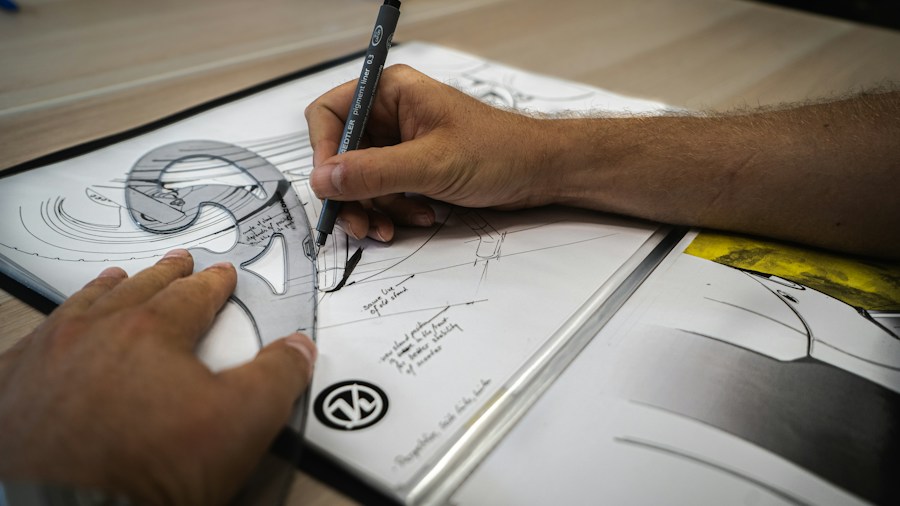
The VM180 wasn’t just a simple cosmetic upgrade. Zagato designer Norihiko Harada completely reworked nearly every exterior element, from the distinctive triangular air vents to the striking circular headlights arranged in pale blue surrounds. The design even drew inspiration from Harada’s previous work on the robot anime franchise Macross, giving the car a futuristic aesthetic that looks less like a tweaked MR2 and more like an entirely new vehicle. In fact, only the windshield, hard-top, and side mirrors are interchangeable with standard MR2 models, highlighting just how extensive the transformation really was.
The aggressive styling includes completely redesigned bumpers, a reworked rear deck lid, and custom alloy wheels that emphasize the car’s bold character. Lightweight materials such as aluminum and composite were used throughout the body modifications, though the final weight came in slightly heavier than a standard MR2. To compensate for this slight increase, Toyota upgraded the engine with additional horsepower and torque compared to regular models.
Performance Upgrades and Powertrain Details
Under the hood, the VM180 retained the same 1ZZ-FE inline-four engine found in standard third-generation MR2 models, but with meaningful performance enhancements. Output increased from the base car’s 138 horsepower and 125 pound-feet of torque to a respectable 155 horsepower and 131 pound-feet. While these numbers don’t sound revolutionary by modern standards, they represented a meaningful boost for a lightweight sports car designed around accessibility rather than raw speed.
Power delivery went to the rear wheels through a sequential manual transmission, which was an automated manual rather than a traditional stick shift. This transmission choice reflected the car’s focus on providing an engaging driving experience while maintaining the user-friendly nature that made the standard MR2 so popular among enthusiasts. The combination of modest power, lightweight construction, and mid-engine layout created the same fun, accessible performance philosophy that defined the entire MR2 lineage.
Surprisingly Affordable Pricing
What’s perhaps most shocking about the VM180 is that despite its rarity and Zagato pedigree, market prices remain surprisingly modest. One well-preserved example with fewer than 25,000 miles failed to sell at $25,600 in 2021, suggesting the market valued it below that asking price. This stands in stark contrast to other Zagato-bodied vehicles, where premium pricing is the norm.
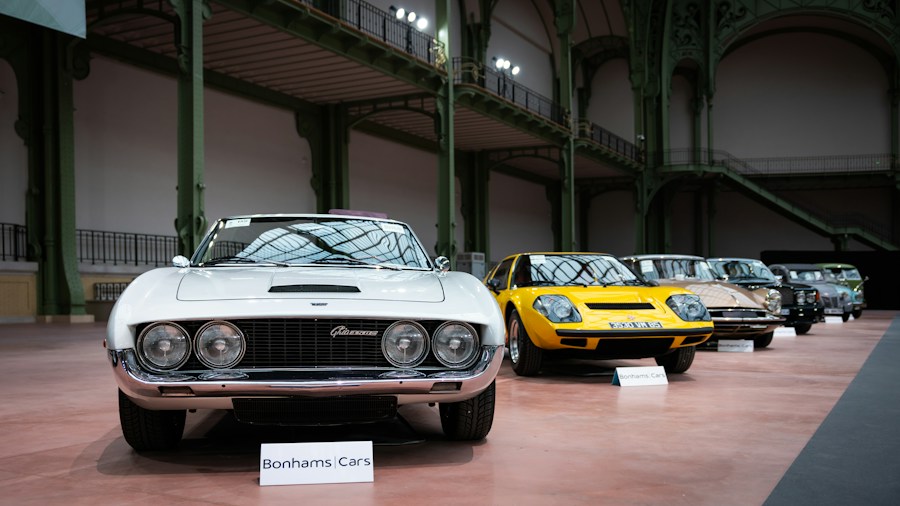
For context, Zagato has created everything from affordable 1970s Zele electric cars that sell for around $15,000 to multi-million dollar Aston Martin DB4 GT Zagatos commanding upward of $13 million. Standard third-generation MR2 models in excellent condition typically fetch near or exceeding $30,000, yet the exclusive Zagato version commands less. This pricing disconnect creates an unusual opportunity for collectors seeking entry into the Zagato owners’ circle at a fraction of what other marque collaborations demand.
Why the VM180 Remained Hidden
The VM180’s obscurity stems partly from its Japan-only exclusivity. Toyota limited this special edition to the domestic market, preventing it from building the international reputation that other limited-run models enjoy. Additionally, the broader automotive world’s attention has long focused on more celebrated Zagato partnerships with luxury brands rather than a sports car from a mainstream manufacturer.
The timing also worked against the VM180. Built around 2001, it emerged during an era when information about Japanese market exclusives spread far less readily than today’s internet-connected world allows. Most Western enthusiasts simply never encountered one, and without robust online documentation or auction activity, the VM180 faded into obscurity despite being a legitimate design masterpiece.
What This Means for Buyers
The VM180 represents a unique intersection of accessibility and exclusivity. Toyota’s track record of building reliable, affordable sports cars combines with one-of-a-kind Zagato styling to create something genuinely special. If you’re seeking an ultra-rare Japanese sports car with serious design credentials at a fraction of what typical Zagato vehicles cost, the VM180 demands consideration. However, finding one will require patience and likely international sourcing, as examples rarely surface in conventional used car markets. For those willing to hunt, the VM180 offers the ultimate conversation starter and an undeniable piece of automotive history that almost nobody has ever heard of.











Write Your Review
No reviews yet. Be the first to share your experience!