

What Changed About TPMS Reputation
Tire Pressure Monitoring Systems, or TPMS, have undergone a remarkable transformation in how drivers and automotive professionals view them. When these systems first arrived on vehicles, skepticism was widespread. Many drivers questioned whether the technology was truly necessary and resisted the shift in how they monitored tire health. This reaction mirrors what typically happens when any new automotive technology emerges: people often focus on perceived inconvenience before they fully grasp the real-world benefits.
Today, that perception has shifted significantly. What was once viewed as an unnecessary gadget is now recognized as a valuable protective tool that delivers measurable safety advantages. Understanding this evolution matters for anyone shopping for tires or considering how to maintain their vehicle.
Early Warning Systems Save You Money and Trouble
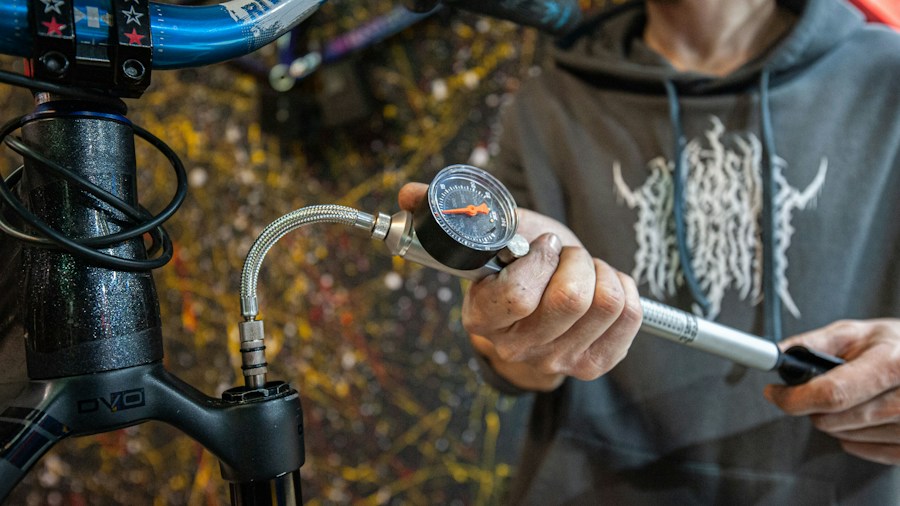
The core purpose of TPMS technology is straightforward: it alerts drivers when tire pressure begins to drop. This early detection capability is genuinely important. When a tire slowly loses pressure due to a small leak, temperature changes, or normal wear, catching that problem early prevents a cascade of larger issues.
A tire that runs underinflated wears faster, generates excess heat, and performs poorly during acceleration, braking, and cornering. Left unchecked, low pressure can lead to tire failure on the road, a dangerous situation that could have been easily prevented. By alerting you to pressure loss before it reaches critical levels, TPMS gives you the chance to address the problem in your driveway rather than on the highway.
The financial benefit is equally compelling. A tire damaged by prolonged underinflation may need replacement, potentially costing $200 to $400 or more depending on the tire quality. A simple air refill costs a few dollars. TPMS ensures you catch these issues when they are still inexpensive fixes. When comparing performance and durability across different tire models, proper pressure monitoring helps maximize the lifespan of your investment.
How Tire Shops Are Embracing the Technology
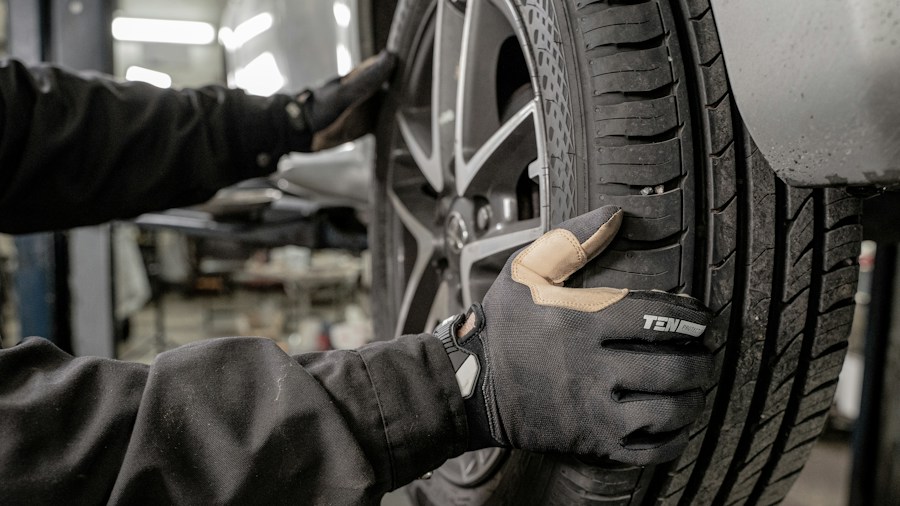
Forward-thinking tire retailers and service shops have integrated TPMS monitoring into their standard workflows. Rather than treating it as an optional feature to mention, they build it into every customer interaction. This approach recognizes that TPMS is a practical tool for protecting customers and extending tire life.
When you visit a tire shop for a rotation, replacement, or seasonal tire change, technicians now routinely check TPMS sensors and tire pressure as part of the service. This proactive stance means you benefit from professional oversight even if you forget to manually check your tires between visits. For drivers with multiple tire sets, such as those who rotate between seasonal options for different driving conditions, TPMS provides consistent monitoring across all sets.
What This Means for Shoppers Today
If you are in the market for new tires or considering tire maintenance, TPMS should factor into your decision-making process. First, ensure that any tire replacement or new vehicle purchase includes functioning TPMS sensors. Second, take the TPMS alert seriously. If your dashboard shows a tire pressure warning, do not delay in checking your tires and adjusting pressure as needed.
Third, use TPMS as part of a broader tire care strategy. While the system excels at catching pressure problems, it works best alongside regular visual inspections for damage, tread depth monitoring, and seasonal maintenance. This comprehensive approach protects both your safety and your investment in quality tires.
The reputation shift around TPMS reflects a broader maturation in how the automotive industry approaches tire safety and vehicle maintenance. What was once dismissed as unnecessary complexity is now understood as a practical safeguard that saves money, extends tire life, and reduces the risk of roadside emergencies. For anyone shopping for tires or managing vehicle maintenance, embracing TPMS as a trusted part of your tire care routine makes clear financial and safety sense.











Write Your Review
No reviews yet. Be the first to share your experience!