

British motorcycle racer Sam Sunderland’s ambitious attempt to set a new circumnavigation world record came to a sudden end in late September when his Triumph Tiger 1200 experienced a critical mechanical failure in the remote Australian outback. The setback has raised important questions about motorcycle reliability, durability testing, and what riders should consider when purchasing adventure bikes designed for extreme conditions.
The Record Attempt and What Went Wrong
Sunderland, a two-time Dakar Rally champion, launched his bid to break the existing circumnavigation record held by Kevin and Julia Sanders, who completed the journey in 2002 on a BMW R1150GS in just 19 days, 8 hours, and 25 minutes. After 23 days of riding, Sunderland’s pre-production Tiger 1200 suffered damage somewhere in the vast Central Australian outback, forcing him to abandon the attempt.
What makes this incident particularly noteworthy is that despite the Tiger 1200 representing the latest in motorcycle engineering and technology, a dedicated support team of mechanics could not restore the bike to running condition within approximately 24 hours. Sunderland initially attempted field repairs himself, a common practice among rally racers accustomed to fixing problems on remote stages, but the damage proved more extensive than a quick fix could address. The specifics of the mechanical issue have not been publicly disclosed, but the severity required professional intervention in one of the world’s most isolated regions.
What This Means for Adventure Motorcycle Buyers
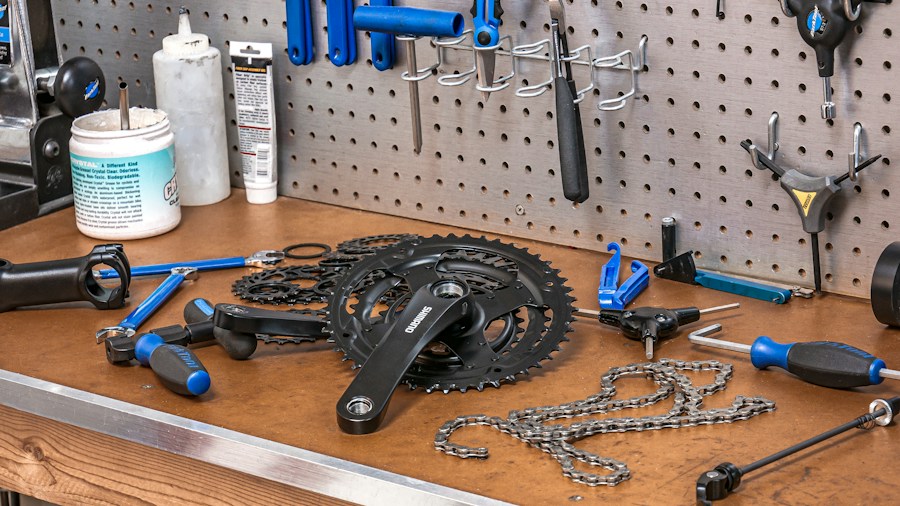
For consumers considering adventure motorcycles for serious long-distance riding, this incident provides valuable insight into real-world reliability under extreme stress. The Tiger 1200 represents Triumph’s flagship adventure offering, engineered to handle demanding terrain and extended journeys. However, even purpose-built machines designed for circumnavigation attempts face unexpected challenges when pushed to their absolute limits.
The failure raises important considerations for shoppers: the difference between a motorcycle’s rated capability and its performance under actual expedition conditions can be significant. While the Tiger 1200 is certainly capable of world travel, this experience demonstrates that long-distance riders should build redundancy into their support systems and maintenance schedules. Riders planning serious adventures should work with dealers to understand the bike’s maintenance intervals, critical wear points, and availability of replacement parts in remote regions.
Context from Previous Record Attempts
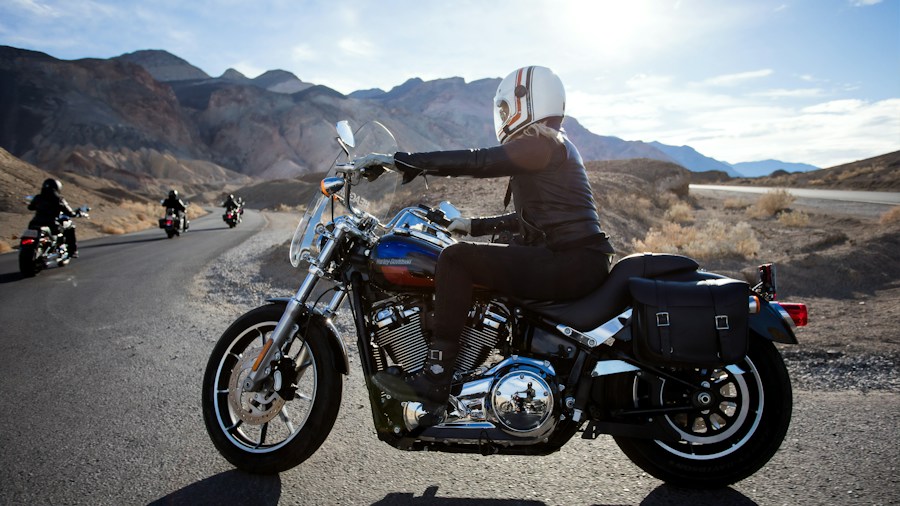
What makes the 2002 Sanders record particularly remarkable in hindsight is that they achieved it on equipment that is now more than two decades old, without a dedicated support team standing by. Their success on a BMW R1150GS without modern electronics, advanced materials, or contemporary engineering highlights the importance of rider skill, route planning, and mechanical simplicity. In contrast, Sunderland had access to a purpose-built support operation, yet modern complexity may have introduced vulnerabilities that simpler bikes avoided.
The motorcycle industry has invested heavily in adventure bike development over the past 20 years, with premium offerings commanding increasingly higher prices. This incident serves as a reminder that technological advancement does not always guarantee improved reliability or durability in truly extreme situations. Shoppers evaluating adventure bikes should balance feature richness against the proven durability of simpler designs.
Lessons for Long-Distance Riders
Potential buyers planning extended journeys should focus on several key factors: parts availability in target regions, dealer service network coverage, reliability ratings from long-distance riding communities, and the motorcycle’s track record in comparable terrain. Testing the bike on shorter trips with varied terrain before committing to a major expedition allows riders to identify potential issues under controlled conditions.
Additionally, riders should prioritize bikes with a strong community presence and aftermarket support, as these factors often translate into better troubleshooting resources when problems arise far from home. As the motorcycle market continues to evolve with new technologies, traditional reliability principles remain as important as cutting-edge features.
Sunderland’s interrupted record attempt ultimately underscores that adventure motorcycling demands careful preparation, realistic expectations, and recognition that even the finest machines require thorough testing and support systems to perform reliably in genuinely extreme environments. For shoppers, this serves as motivation to research thoroughly, test extensively, and build realistic contingency plans for any serious riding adventure.






Write Your Review
No reviews yet. Be the first to share your experience!