

When the USS Abraham Lincoln nuclear aircraft carrier pulled into port in early September 2026 after a grueling 286-day deployment, observers were struck by its appearance. The mighty warship’s hull was visibly covered in rust spots, particularly along the waterline, making it look far older than it actually is. While the headlines focused on the extreme conditions that led sailors to such desperate measures during the extended mission, the incident offers a powerful lesson for everyday vehicle owners: rust is a relentless enemy that demands immediate attention.
The Lincoln’s rust problem wasn’t a sign of poor ship maintenance or negligence. Instead, it was an inevitable consequence of prolonged exposure to saltwater without access to proper maintenance facilities. Navy experts quickly explained that rust along the waterline is completely normal for any vessel that spends more than 60 continuous days at sea. What made the Lincoln’s situation notable was simply the sheer duration of its deployment and the visibility of the damage when it finally returned home.
Why Saltwater Causes Rust So Quickly
The primary culprit behind the Lincoln’s rust problem was saltwater corrosion. Saltwater is far more corrosive than freshwater because of its mineral content and conductivity, accelerating the chemical process that turns steel into rust. When seawater contacts the steel hull of a ship, it initiates an electrochemical reaction that degrades the metal at a much faster rate than exposure to air alone would cause.
For vehicle owners in coastal regions or areas that use road salt during winter, this lesson applies directly to your car. Salt in the air, salt spray from the ocean, and salt applied to roads all work the same way on your vehicle’s undercarriage and exposed metal surfaces. The difference is that your car doesn’t have a Navy maintenance team ready to address the problem. This is why learning how to prevent rust through a complete strategy is essential for protecting your vehicle’s longevity.
The Danger of Rust Spread and Structural Weakening

One often overlooked aspect of rust that both naval engineers and automotive experts emphasize is that rust doesn’t stay localized. Once it begins, rust actively spreads across nearby metal surfaces, weakening the structural integrity of the material beneath. On a massive warship, this can eventually threaten the vessel’s seaworthiness. On your vehicle, rust can compromise suspension components, brake lines, structural frame supports, and other critical safety systems.
This is why the Navy prioritized getting the Lincoln back to port immediately. Extended rust growth would have required far more extensive repairs and potentially created safety hazards for future operations. The same principle applies to your car: addressing rust spots early is infinitely cheaper and safer than waiting until the corrosion has spread throughout multiple panels or structural components.
Why Maintenance Areas Matter Most
Navy officials noted that the most challenging rust to address on the Lincoln was along the waterline, precisely because that area cannot be properly maintained while the ship is at sea. The constant wave action, spray, and motion make it impossible for workers to properly clean and treat the rust. Only when the ship returned to port could workers safely access and repair these vulnerable zones.
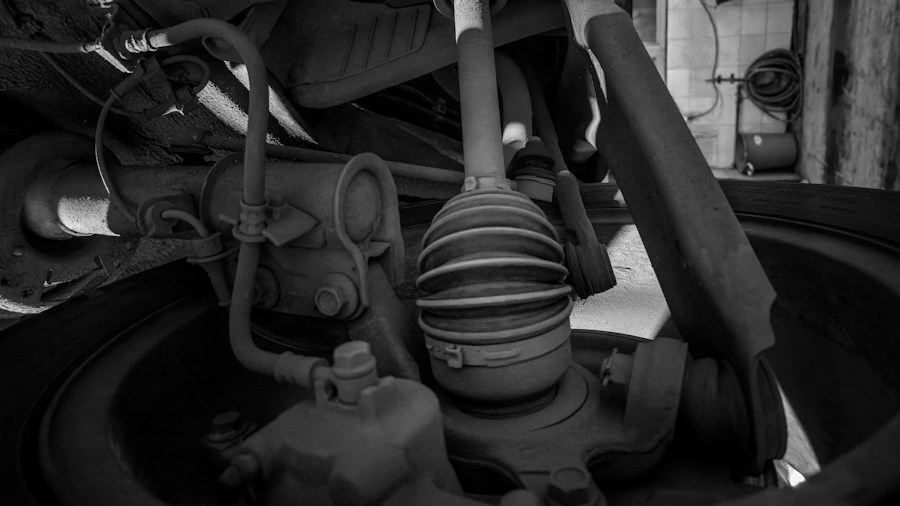
Your vehicle has similar problem areas. The undercarriage, wheel wells, and areas along door seams accumulate salt and moisture that are difficult to reach and treat. Many vehicle owners ignore these hidden areas until serious damage develops. In coastal climates or regions where road salt is applied in winter, regular undercarriage washing and inspection become preventative maintenance rather than optional extras. Additionally, if you’ve noticed corrosion concerns on your vehicle, you may want to stay informed about potential recalls, such as the SUV recalls related to steering corrosion hazards.
What Vehicle Owners Should Do Now
The Lincoln’s situation demonstrates that rust is predictable and manageable if you act proactively. Naval experts estimated that 30 days of focused preservation work would restore the carrier to proper condition. For your vehicle, consistent maintenance throughout the year provides similar protection.
Develop a rust prevention routine appropriate to your climate. If you live in coastal areas or regions where road salt is used, wash your vehicle regularly and pay special attention to the undercarriage. Consider protective coatings and sealants, apply touch-up paint to scratches promptly, and keep an eye on vulnerable areas. Understanding that protective paint products and maintenance coatings play a role in rust defense can help you make informed choices about your vehicle’s care routine.
The USS Abraham Lincoln’s return to port covered in rust wasn’t a failure of naval engineering or maintenance doctrine. It was a direct result of extreme operational demands that postponed necessary care. Your vehicle doesn’t need to face such extreme conditions, which means you have every opportunity to prevent the rust problems that plagued the carrier. Take action early, address rust spots immediately when you spot them, and your vehicle will retain its value and safety for years to come.











Write Your Review
No reviews yet. Be the first to share your experience!