

Classic Car Drivers Discover Advanced Snow Tires With Modern Grip Technology
When winter weather arrives, many classic car owners face a tough choice: park their vintage vehicles or risk poor traction in the snow. A new generation of all-season winter tires designed specifically for older vehicles is changing that equation. Modern tire engineering now delivers the specialized snow performance that classic car drivers need while maintaining the authentic look their beloved vehicles deserve.
The latest all-weather options for vintage cars combine multiple advanced technologies that work together to improve winter grip. These innovations represent years of engineering focused on solving the fundamental challenge of winter driving: creating enough friction between rubber and snow to maintain control.
How Siping and Tread Design Create Winter Traction

One of the most important features in winter tire design involves tiny cuts in the rubber surface called sipes. These micro-sized channels act like small edges that bite into snow, dramatically improving grip on winter roads. The more sipes a tire features, the more edges available to grip snow, which explains why winter-focused tires typically include far more sipes than all-season models.
Equally important is the overall tread pattern itself. A well-designed directional tread works to channel water and slush away from where the tire makes contact with the road surface. This prevents the dangerous condition known as hydroplaning, where a thin layer of water between tire and pavement causes the vehicle to slide. By moving moisture away from the contact patch, modern winter tires maintain consistent grip even on wet, slushy winter roads.
Rubber Compound Makes a Measurable Difference
What the tire is made from matters as much as how it is shaped. A full-silica rubber compound helps winter tires stay flexible even in freezing temperatures. When rubber becomes too hard due to cold, it cannot grip the road effectively, no matter how many sipes it contains. Silica keeps the rubber supple, allowing the tire to conform to road irregularities and maintain traction when temperatures drop.
Shoppers comparing winter tire options should look for the Three-Peak Mountain Snowflake symbol, which certifies that a tire meets specific snow traction performance standards established by transportation authorities. This certification provides confidence that the tire has been tested and validated for winter conditions.
Winter Tire Selection Affects Your Overall Driving Experience
Choosing the right winter tire influences more than just snow traction. As many drivers discover when maintaining their vehicles and monitoring performance sensors, tire quality affects fuel economy and vehicle efficiency throughout the year. When you understand how different tire technologies perform, you can make informed decisions that go beyond winter safety alone.
Tire pressure also plays a critical role in winter performance. Cold temperatures naturally reduce air pressure in tires, which can compromise traction and efficiency. Before winter arrives, check your tire pressure and ensure it matches your vehicle’s specifications. Properly inflated tires maintain better contact with the road and improve your vehicle’s handling characteristics.
Planning Your Winter Tire Strategy
For classic car owners, selecting winter tires involves balancing several priorities: authentic appearance, genuine winter performance, and long-term durability. Modern winter tires designed for vintage vehicles now deliver all three. The engineering behind sipes, tread patterns, and rubber compounds ensures that your classic car can tackle winter roads safely without compromising its vintage character.
Local tire retailers can help you find winter tires that match both your vehicle’s specifications and your performance expectations. As you explore options, like those available at expanding tire service locations, ask questions about siping, tread design, and rubber compound technology. Understanding these features helps you evaluate whether a particular tire meets your winter driving needs.
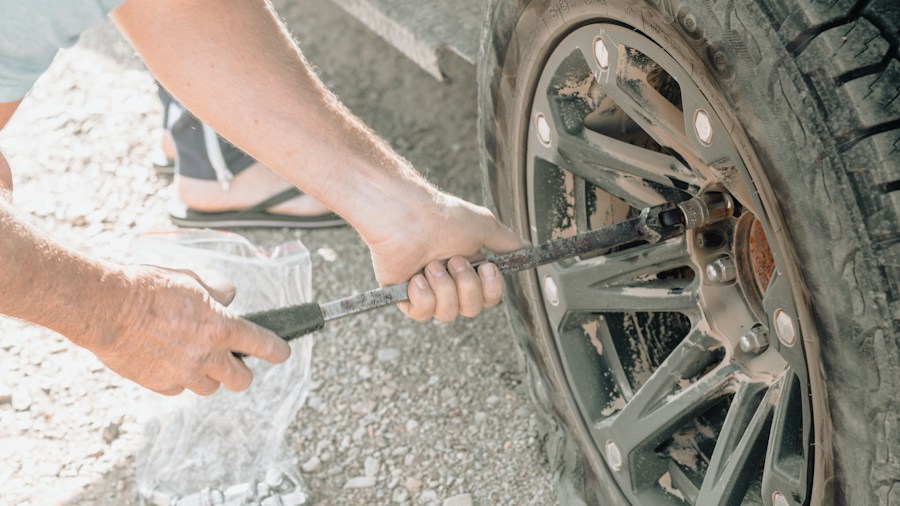
When you install new winter tires, follow the manufacturer’s recommended torque specifications to ensure proper installation. Most tire shops recommend returning for a torque check after approximately 30 miles of driving post-installation. This simple step ensures that your wheels remain secure and your tires perform as engineered.
Looking Ahead to Winter Confidence
Winter driving no longer requires choosing between enjoying your classic car and staying safe on snow-covered roads. Advanced tire technology puts winter traction within reach for every driver. By selecting tires with proven winter performance features and maintaining proper inflation, you can drive with confidence when weather turns cold. The combination of siping, directional tread patterns, and silica compounds represents the current standard in winter tire engineering, all designed to keep you moving safely through the season.










Write Your Review
No reviews yet. Be the first to share your experience!