

A restored 1959 Chevrolet Corvette in striking Tuxedo Black is heading to the auction block in Nashville this September, offering a fascinating window into what made this model year so significant for the American sports car market. This particular vehicle represents not just a piece of automotive history, but also the broader appeal and enduring value of first-generation Corvettes that collectors continue to pursue today.
Why 1959 Matters in Corvette History
The 1959 model year marked a turning point for Chevrolet’s sports car lineup. Production reached nearly 9,700 units that year, demonstrating that buyers were increasingly embracing the Corvette as a viable, desirable vehicle rather than a niche curiosity. When the model debuted just six years earlier, few predicted it would become such a commercial success.
Chevrolet made meaningful refinements to the 1959 design that set it apart from its predecessors. The exterior became cleaner, with the removal of prominent chrome details like trunk spears and hood washboard ribbing that had characterized earlier models. Inside the cabin, engineers redesigned door panels into single-piece construction, repositioned armrests for improved comfort, and relocated door releases further forward for easier access. The dashboard received a complete overhaul as well, with instruments that were easier to read and tachometers featuring a pale green safe-operating zone, orange caution, and red danger markings.
Engine Options and Performance Choices
One of the most appealing aspects of owning a 1959 Corvette was the variety of powerplant choices available. All engines displaced 283 cubic inches, but buyers could select from five different configurations ranging from 230 to 290 horsepower. Base models came equipped with a single four-barrel carburetor producing 230 horses, while enthusiasts could opt for dual four-barrel setups or fuel-injected versions that delivered noticeably more performance. Transmission options included a three-speed manual, optional four-speed manual, or Powerglide automatic, allowing buyers to balance comfort with driving engagement.
The featured example heading to auction features an upgraded 327-cubic-inch small-block V8 with dual four-barrel carburetors and a factory T-10 four-speed manual transmission, making it a more potent version than its original specification. This type of modification is common among restored classics, as owners often enhance performance while maintaining period-correct aesthetics. Whether considering contemporary performance upgrades or classic restorations, the philosophy of balancing power and heritage remains relevant to today’s enthusiasts.
Practical Features and Comfort Improvements
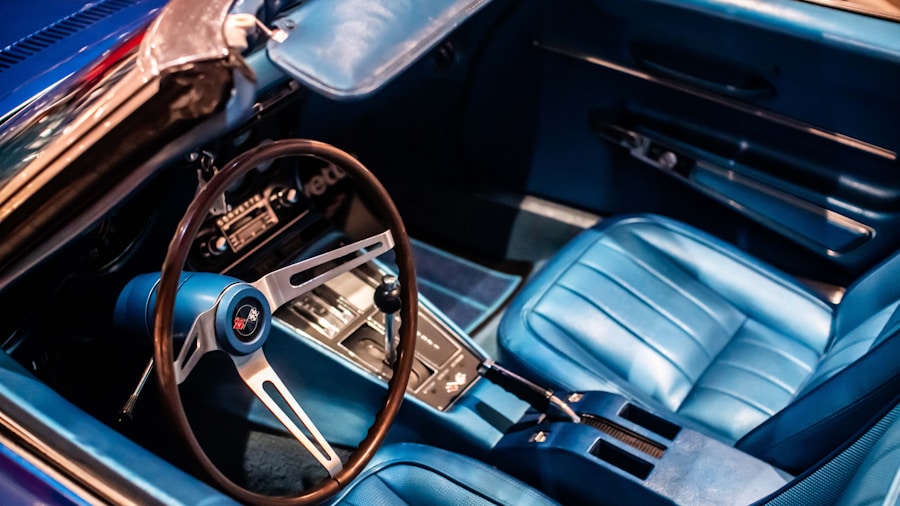
Beyond the mechanical upgrades, the 1959 Corvette incorporated small but meaningful improvements to daily usability. The optional hardtop, which complemented the standard vinyl soft top at no additional cost, provided weather protection and structural rigidity. A new parcel tray beneath the passenger grab bar offered practical storage, while redesigned seat covers featured a faux leather grain texture and horizontal pleating that improved comfort compared to the previous year’s vertical pattern. Windshield washers with repositioned reservoirs depending on engine type showed how thoroughly engineers thought through the complete ownership experience.
The optional feature list expanded significantly for 1959, giving buyers unprecedented personalization options. This focus on customization foreshadowed modern market trends where individual expression through vehicle configuration has become increasingly important to consumers.
What This Auction Means for Today’s Buyers
The upcoming Nashville sale of this Tuxedo Black example offers several important lessons for anyone interested in classic Corvettes or collector vehicles in general. First, frame-off restorations completed by reputable shops command attention from serious collectors. This particular car underwent a complete restoration finished in 2024, presenting a freshly rebuilt vehicle rather than an original barn find. Second, the two-top configuration with both soft and hardtop adds versatility and appeal that translates to stronger auction results. Third, authentic details like dog-dish hubcaps, painted steel wheels, and period-appropriate colors enhance both visual authenticity and collector value.
For buyers considering entry into the classic Corvette market, 1959 models represent a sweet spot between accessibility and significance. They are less expensive than earlier 1953-1955 examples while offering more refinement than raw, unfinished early cars. The mechanical reliability and parts availability for small-block 283 engines remain excellent, making ownership more practical than many competing classics.
The thriving auction market for 1959 Corvettes demonstrates that these vehicles continue to appreciate as investments and remain sought-after by enthusiasts worldwide. Whether you are a seasoned collector or someone exploring classic sports cars for the first time, understanding what made specific model years special helps inform purchasing decisions and validates the ongoing appeal of automotive innovation across different eras.










Write Your Review
No reviews yet. Be the first to share your experience!