

The automotive industry is entering a new era of windshield and window innovation that could fundamentally change how you maintain and repair your vehicle. Major manufacturers including Mercedes and Audi are rolling out advanced display technologies integrated directly into glass surfaces, promising improved safety and communication on the road. For shoppers and current owners, understanding these developments is essential, especially when considering potential repair costs and long-term ownership expenses.
The New Wave of Smart Glass Technology
Mercedes has unveiled ambitious plans to transform vehicle windows into interactive display surfaces. The brand is developing two distinct technologies that represent a significant leap beyond traditional glass. First, the company is integrating LED elements directly into the rear window glass, allowing cars to communicate with surrounding traffic through warning symbols, brake light information, and safety messages. These LEDs remain nearly invisible when inactive, using either Mini-LED technology for larger display areas or Micro-LEDs for detailed, high-resolution graphics.
The second innovation involves turning the windshield itself into a holographic display system. Rather than installing an additional screen, engineers have created a solution using a projector mounted in the instrument panel that beams images onto a special transparent film laminated into the windshield. The film contains holographic optical elements that reflect projected light effectively, even in bright sunlight conditions. This technology could display navigation guidance, driving information, video calls, and entertainment content directly on your windshield.
How These Technologies Improve Safety
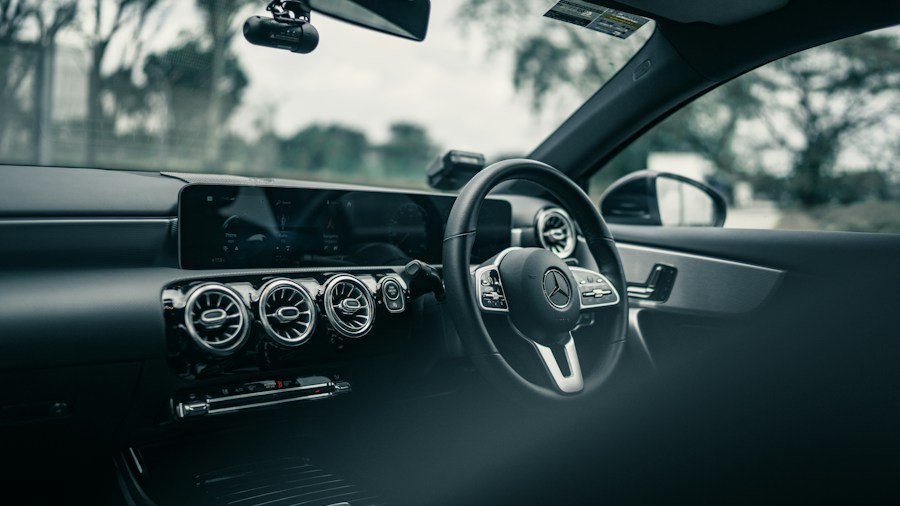
Both Mercedes and competing manufacturers argue these innovations serve genuine safety purposes beyond aesthetics. The integrated LED displays in rear glass allow vehicles to communicate hazards and traffic conditions to drivers behind them without relying solely on traditional brake lights or turn signals. This is particularly valuable in low-visibility conditions or at night.
Audi has taken a slightly different approach with its new models, projecting animated turn-signal arrows directly onto the road surface using headlight and taillight projectors. The company also incorporates OLED taillights that display warning symbols, giving rear lighting systems the ability to convey more complex information. These approaches aim to alert nearby drivers, cyclists, and pedestrians more effectively than conventional indicators alone.
The windshield holographic display technology includes a clever feature where projected content is visible only from specific angles, preventing driver distraction from passenger-side displays and vice versa. The information appears only when needed rather than permanently cluttering the windshield, addressing legitimate concerns about driver attention and road safety.
The Hidden Cost Factor for Owners
While the technology sounds impressive, there is a significant practical consideration that affects your wallet. Replacing a standard side window is already an expensive proposition for many vehicle owners, but integrating LEDs and electronic components into the glass substantially increases repair complexity and cost. A minor crack, accident damage, or electronic component failure could transform what used to be a routine window replacement into a major expense.
Current owners facing similar situations understand the financial impact of glass damage. As these technologies become standard on new models, repair shops will need specialized training and equipment to handle the sophisticated components embedded within the glass itself. You may find yourself paying premium prices not just for the replacement glass, but also for the integrated technology, installation labor, and system recalibration.
This trend mirrors other automotive technology expenses that have grown significantly. As one notable case demonstrated, even seemingly routine maintenance and accidents can result in unexpectedly high bills when advanced technology is involved.
What This Means for Your Shopping Decisions
If you are considering a new vehicle with these integrated display technologies, factor potential repair costs into your long-term ownership budget. Consider whether the safety benefits and convenience features justify the additional expense you would face if the glass requires replacement.
For those maintaining current vehicles, the good news is that traditional windshield and window damage will remain relatively straightforward and affordable to repair for years to come. Regular proper car maintenance and cleaning can help prevent damage and extend the life of your current glass components.
The automotive industry shows no signs of slowing its screen integration efforts. Whether the next logical step involves panoramic roof displays or other innovations remains to be seen. However, the clear takeaway for shoppers is this: as technology becomes more integrated into every surface of vehicles, the cost of repairs will continue climbing. Evaluate whether cutting-edge glass technology aligns with your repair budget and long-term ownership plans before making your next vehicle purchase decision.








Write Your Review
No reviews yet. Be the first to share your experience!