

The way collision repair shops handle advanced driver assistance systems (ADAS) calibration is changing rapidly, and consumers are seeing real benefits from shops that invest in better equipment and training. A major independent repair operation recently restructured its entire approach to ADAS work, moving the process in-house rather than sending vehicles to outside vendors. The shift reveals important lessons about how modern repair facilities operate and what vehicle owners should expect when their cars need complex electronic adjustments.
Why ADAS Calibration Matters More Than Ever
Today’s vehicles rely on sophisticated sensor systems that track road conditions, detect obstacles and help prevent collisions. When a vehicle goes through a collision, even minor structural damage can throw these systems out of alignment. A bumper replacement, hood adjustment or windshield replacement can all require ADAS recalibration to ensure safety features work correctly. For consumers, this means repair shops must have the right diagnostic tools and expertise to identify when calibration is needed and complete it properly.
The challenge has historically been that many independent shops lacked the specialized equipment and training to handle ADAS work themselves. This forced consumers to wait longer for repairs or travel to dealerships for this specific service. Autel tools enable shops to handle 95% of ADAS work in-house, significantly changing the economics and convenience of collision repair.
The Hub-and-Spoke Model Improves Customer Experience
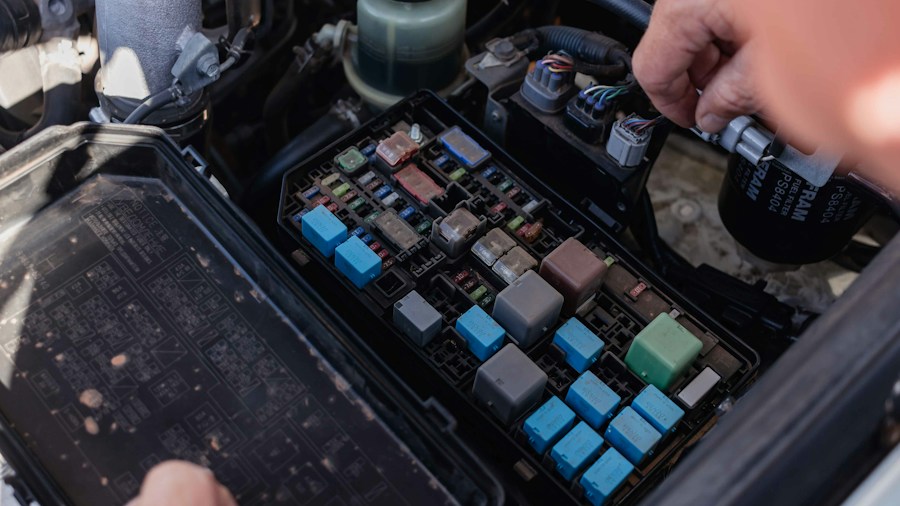
The restructuring case study involved a multi-location operation with three separate body shops and a centralized calibration center. By consolidating ADAS calibration at one location rather than distributing it across all shops, the company achieved two important outcomes: consistency and efficiency. Each technician follows the same procedures, uses the same equipment and receives the same training. This standardization reduces errors and improves documentation quality.
For consumers, this model means faster turnaround times. When a shop combines glass replacement and ADAS calibration at the same facility on the same day, customers spend less time without their vehicles. Rather than scheduling separate appointments at different locations, a single visit handles multiple services. The centralized approach also allows shops to invest in premium diagnostic and calibration equipment that might be prohibitively expensive for smaller, standalone facilities.
Better Training Leads to Clearer Communication
One often-overlooked aspect of modern collision repair is customer education. When a shop informs a customer that their vehicle needs ADAS calibration, many owners question the necessity and view it as an upsell. This communication gap exists partly because technicians, estimators and management staff may not fully understand the technical reasons calibration is required.
Shops that invest in comprehensive training programs extend education beyond technicians to include estimators and customer service staff. When everyone on the team understands ADAS requirements and can explain why calibration is necessary, customer confidence increases dramatically. People are more willing to approve repair procedures when they understand the safety implications. Independent shops now match dealership diagnostics, giving consumers confidence that they’re receiving the same quality of service regardless of where they take their vehicle.
Scalability Supports High-Volume Operations
The operation discussed in this case study processes approximately 400 repair orders monthly across its locations. At this volume, having ADAS scanning and calibration under in-house control transforms the process from a necessary burden into a profit center and competitive advantage. Rather than paying external vendors for calibration services, the shop retains that revenue and builds customer loyalty by offering faster, more convenient service.
Bringing calibration in-house also provides shops with complete visibility into the entire repair process. Technicians can document how each calibration was performed, which procedures were followed and what equipment was used. This documentation is crucial for accountability and helps shops identify areas for continuous improvement. When customers dispute repair quality or insurance companies question charges, detailed records provide the evidence needed to resolve disputes quickly.
Technology Partnership Enables the Transformation
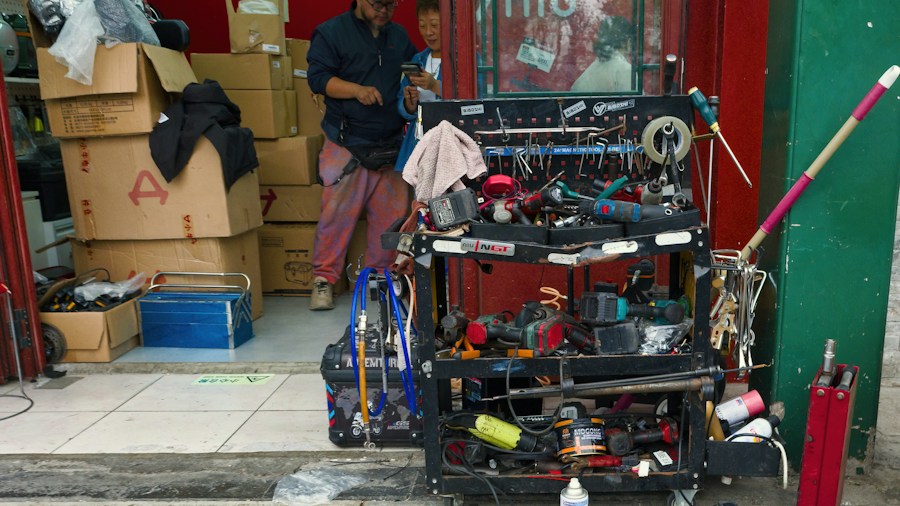
Modern calibration systems combine diagnostic hardware, calibration software and training support into integrated solutions. Autel equipment provides the diagnostic scanning and calibration execution capabilities, while specialized support organizations offer tooling recommendations, training programs and ongoing technical guidance. This partnership approach ensures that shops don’t just receive equipment, but the complete knowledge and support infrastructure needed to succeed.
For consumers shopping for collision repair services, understanding that your shop has invested in these partnerships is meaningful. It indicates management commitment to staying current with vehicle technology and providing quality service. Ask your repair facility whether they handle ADAS calibration in-house and whether their technicians have completed formal training. These questions help identify shops that prioritize quality and invest in their capabilities.
What Consumers Should Expect Moving Forward
As vehicles become more technologically sophisticated, ADAS calibration will transition from a specialty service to a standard repair procedure. Shops that have already invested in equipment, training and centralized workflows will deliver faster, more reliable service at competitive prices. Those that haven’t made the investment will struggle to keep pace with customer expectations.
When obtaining collision repair estimates, ask whether ADAS calibration is included in the repair plan and whether it will be completed at your preferred shop. Understanding how the facility approaches this service helps you make informed decisions and choose shops that prioritize both quality and convenience.






Write Your Review
No reviews yet. Be the first to share your experience!