

Understanding Corrosion and Why It Matters for Your Investments
Corrosion is one of the most common threats to metal tools, outdoor equipment, and automotive parts. Unlike wear from heavy use, corrosion happens silently over time when moisture and air interact with bare metal surfaces. Many homeowners and DIYers discover rust damage only after it becomes severe enough to affect performance or safety. Understanding how corrosion forms and spreads is the first step toward protecting your equipment and extending its lifespan.
The problem often begins in storage. A wrench left in a damp shed, a drill stored in a humid garage, or fishing reels exposed to salt air gradually accumulate moisture. Even a closed toolbox is not immune, since humid air becomes trapped when you open the lid. Over time, the factory protective coating wears away, leaving bare metal vulnerable. Once corrosion starts, it spreads faster than many people realize.
Quick Protective Sprays for Metal Surfaces
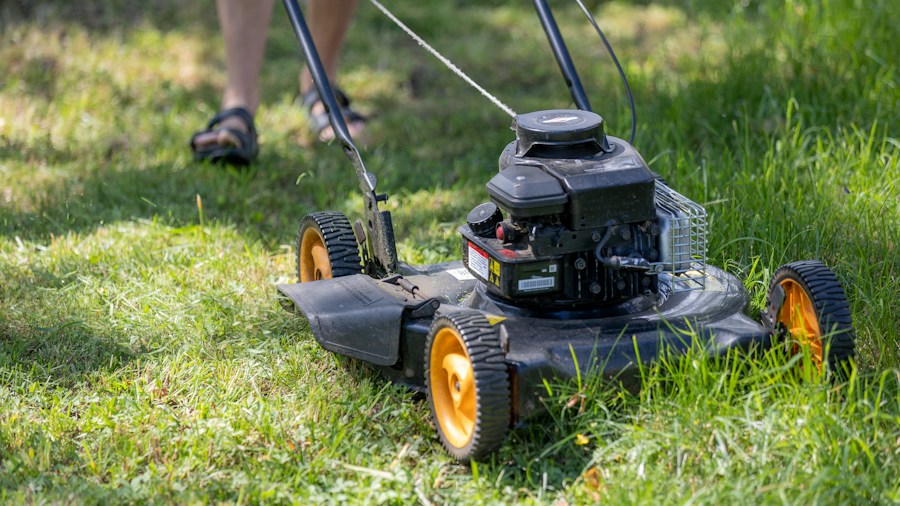
Water displacement sprays offer a simple, affordable way to combat corrosion on metal tools and outdoor gear. These products work by pushing moisture away from metal surfaces and leaving a thin protective film. When applied correctly, they can significantly slow or prevent rust formation on items that are regularly exposed to damp conditions.
For tools stored indoors, spray the metal parts lightly after each use while they are still dry. A thin coat is enough, and excess liquid should be wiped away with a cloth. This prevents dust and grime from accumulating on the residue. For outdoor equipment like garden hose fittings, camping gear, and lawn mower components, apply the spray seasonally before storage. Outboard motors and other marine equipment face particularly aggressive corrosion from salt and constant moisture exposure, so protection becomes even more critical for waterfront users.
The key is to prepare the surface first. Clean off loose rust, dirt, and grime with a brush, then allow the surface to dry completely. Spraying over wet mud or damp surfaces traps moisture underneath, making corrosion worse instead of better. After spraying, wipe away excess product so nothing pools or attracts dirt.
Protecting Lawn Mower Blades and Power Tools
Lawn mower blades face constant exposure to moisture, especially during damp weather. When wet grass packs around the blade, it holds moisture against the metal and creates ideal conditions for rust. Applying a water displacement spray before mowing prevents grass from sticking and reduces cleanup time. The same spray protects the oil cap, air filter area, and spark plug zone from corrosion between uses.
Power tools require similar care. A drill, saw, or sander sitting on a shelf for months experiences temperature swings and humidity that deposit moisture on metal parts. Rust on a drill bit or saw table is often invisible until it ruins a cut or damages the tool. Check power tools twice yearly, especially before winter storage. Brush away dust and grime, then wipe bare metal parts with a cloth lightly dampened with water displacement spray. Keep the spray away from rubber grips and plastic components, since those materials can degrade with repeated exposure.
Treating Rusted Bolts and Stuck Fasteners
Seized bolts present a common frustration for DIYers. Massive auctions of vintage trucks reveal how severe corrosion can become when rusted fasteners bind components together. The trick is patience. Spray the rusted bolt and wait several minutes before attempting to loosen it. The water displacement product breaks up oxidation and creeps into threads, making removal easier. Most people make the mistake of spraying and pulling immediately, then wonder why the bolt snaps.
For heavily corroded bolts, brush off loose rust first with a stiff brush, then spray from all sides. Tap the bolt head lightly with a hammer to help the liquid penetrate the threads. Wait longer for stubborn fasteners, sometimes 15 to 30 minutes or more. After the bolt frees up, clean it thoroughly and apply a fresh coat of protective spray before reinstalling or storing it. This preventive step avoids the same corrosion problem the next time you need that fastener.
Seasonal Storage and Long-Term Protection
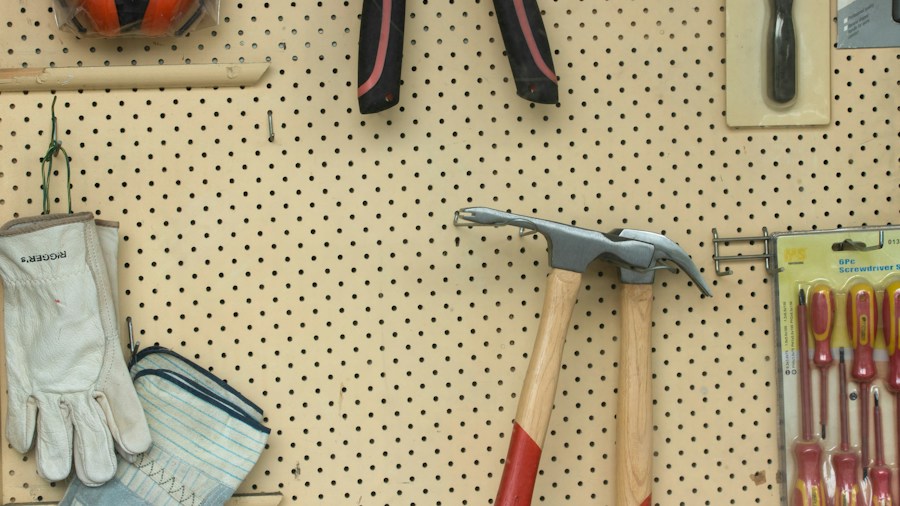
Proper storage is where corrosion prevention really pays off. Before putting tools or outdoor equipment away for winter, clean each item, allow it to dry completely, and apply a light protective coat. Repeat this process seasonally, since protection does not last indefinitely. Even military vessels face rust crises that reveal important lessons about how moisture and salt combine to accelerate corrosion.
Store tools in a dry location and consider placing silica gel packets inside toolboxes to absorb residual humidity. Wipe the interior of the box occasionally with a suitable cleaner. For items stored outdoors or in unheated spaces, inspect them at least annually and reapply protection as needed.
When Corrosion Prevention Is Not Enough
Water displacement sprays work best as preventive measures and short-term solutions. If a bolt or hinge continues to seize after one or two applications, or if a part requires constant lubrication, switch to a heavier product like grease or a dedicated lubricant. Similarly, if corrosion has already penetrated deeply into a surface, removal and replacement may be more cost-effective than rescue attempts. The goal is to catch corrosion early through regular inspection and consistent protection, not to repair advanced damage.
By understanding how corrosion develops and taking simple preventive steps, shoppers can protect their investments in tools and outdoor equipment. A few minutes of seasonal maintenance and the right protective products can add years to the life of your gear and prevent expensive repairs or replacements down the road.











Write Your Review
No reviews yet. Be the first to share your experience!