

The Debate Over Using WD-40 on Leather Car Seats
Many car owners searching for ways to restore aging leather seats have encountered WD-40 recommended as a potential solution. The product’s manufacturer even suggests it can be used to clean and condition leather car seats, promising to restore their appearance and prevent cracking. However, this recommendation comes with significant caveats that every car owner should understand before applying any treatment to their vehicle’s interior.
The question of whether WD-40 belongs on your car’s leather seats isn’t as straightforward as a simple yes or no. Vehicle manufacturers, leather care specialists, and restoration experts have weighed in on this issue, and their guidance should take priority over any general product recommendations.
What WD-40 Says About Using Their Product on Leather
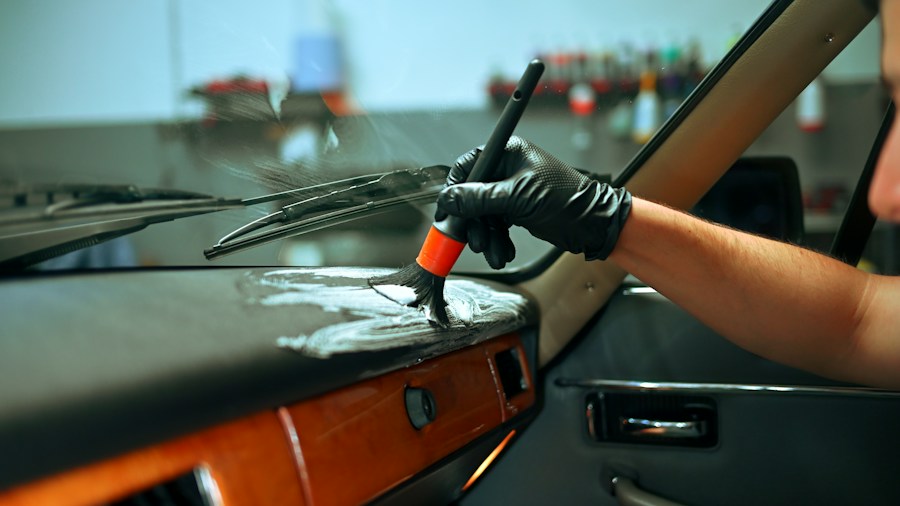
According to WD-40’s official guidance, the company suggests a specific application process for leather car seats. The recommended method involves first cleaning the seats thoroughly with a mild soap and water solution. Once the seats are completely dry, users can apply a small amount of WD-40 to a soft cloth and gently work it into the leather. The company claims this approach moisturizes the material, potentially restoring its appearance and reducing the risk of future cracking.
The fact that WD-40 endorses this use might seem reassuring at first glance. However, endorsement from the product manufacturer doesn’t automatically make it the right choice for your specific vehicle. This distinction between what a product can do and what you should do with it is critical for any car owner considering this treatment.
Why Major Automakers Recommend Against It
When it comes to caring for your vehicle’s interior, the guidance from your car’s manufacturer should carry the most weight. Luxury automakers like Mercedes Benz explicitly caution against using any oil-based products on leather seats. Since WD-40 contains petroleum distillates, this effectively rules it out as an appropriate cleaner for these vehicles.
The concerns go beyond general warnings. Leather restoration professionals point to several specific risks associated with using WD-40 on leather car seats. Petroleum distillates can cause permanent staining on leather surfaces, potentially making the problem worse rather than better. Beyond staining, the product can damage the protective finish that keeps leather looking new. In some cases, users report unpleasant odors lingering after application, creating an undesirable driving environment.
These warnings aren’t limited to one brand or one type of vehicle. Different manufacturers may have different specifications for their leather seats, meaning the safest approach is always consulting your vehicle’s owner manual before attempting any restoration work. Understanding proper car seat maintenance extends beyond safety features to include the condition and longevity of your interior components.
The Right Way to Clean and Restore Leather Seats
Regular maintenance is genuinely important for preventing leather car seats from deteriorating and cracking over time. The key is using the correct method for your specific vehicle. Your owner’s manual will specify which cleaning products, if any, are safe to use on your interior leather.
For owners who want professional results without the risk of damage, professional detailing services offer a reliable alternative. Trained technicians understand the complexities of different leather types and have access to manufacturer-approved products specifically formulated for automotive use. This option proves especially worthwhile if your car’s interior has suffered significant wear and damage.
If you do attempt cleaning at home, stick with the basics recommended in your manual. Mild soap and water solutions are typically safe for initial cleaning. After that, using products specifically designed and approved for your vehicle type provides the best combination of safety and results.
What This Means for Your Leather Car Seats
The takeaway is straightforward: just because a product can be used on leather doesn’t mean it should be used on your specific car’s seats. Manufacturer recommendations exist to protect both your investment and your vehicle’s resale value. Protecting your vehicle’s interior condition requires following guidance tailored to your vehicle rather than relying on general product suggestions.
Before you reach for any cleaning or restoration product, take time to review your vehicle’s owner manual. If your leather needs professional attention, investing in detailing services from qualified professionals beats the risk of permanent damage from inappropriate products. Your car’s resale value and your comfort during ownership both depend on making the right choices when it comes to interior maintenance.










Write Your Review
No reviews yet. Be the first to share your experience!